Skip to content
Capital Africa

Agriculture and Agribusiness, From Field to Factory.

Farming employs about half of Sub-Saharan Africa’s workers, yet the region imports much of its rice, chicken and processed food. This briefing covers the main crops and livestock, where value is added, what holds yields back and where investors take part.

49.3%

of jobs in Sub-Saharan Africa were in agriculture in 2025, against 17.9% of GDP.

World Bank, 2025
18.9m t

of milled rice imported by Sub-Saharan Africa in 2025, against 23.5 million tonnes grown.

USDA Foreign Agricultural Service, October 2026
71.3%

of the world’s cocoa came from Africa in the 2023/24 season.

International Cocoa Organization, 2023/24
The sector across Africa

Half the Workforce, a Fraction of the Value.

Main crops
Cassava, maize, rice, sorghum, yams and plantains for food; cocoa, coffee, cashew, tea, cotton and oil palm for export
Livestock
Large cattle, goat and sheep herds, and fast growth in chicken and eggs
Gaps
Inputs, irrigation, machinery, storage, processing and finance
Where we work
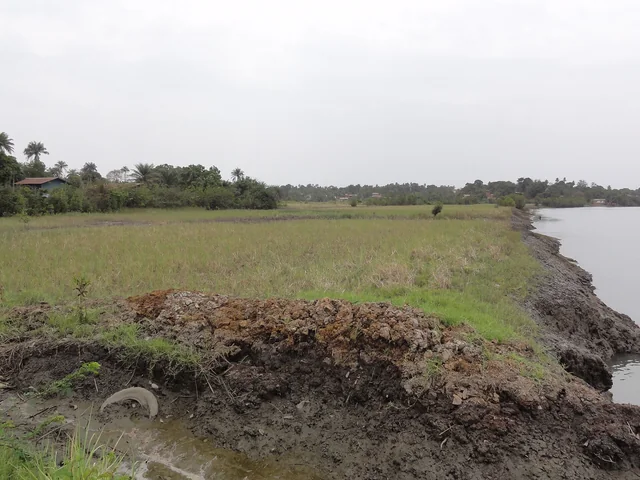
Sierra Leone and Guinea, with farm visits and partner checks on the ground

Agriculture gave Sub-Saharan Africa 49.3% of its jobs in 2025 but only 17.9% of its GDP. The gap between those two numbers is the opportunity: yields, processing, storage and the routes to market.

African farms produce well below their potential. Rice yields averaged 2.4 tonnes a hectare in 2024 against 4.8 worldwide; fertiliser use in Sub-Saharan Africa was 19.3 kg per hectare of arable land in 2023 against 136.5 worldwide; and only 2.86% of the region’s cropland is equipped for irrigation.

The continent imports what it could grow. FAO estimates Africa’s food imports at US$99.2 billion in 2024, including 17.6 million tonnes of rice. After harvest, 23.0% of Sub-Saharan Africa’s food was lost before reaching retail in 2023, against 13.3% worldwide, for lack of drying, storage and cold chains.

Investors take part in two ways: producing at commercial scale where land, water and markets line up, and serving the millions of existing farmers with inputs, machinery, storage, processing and a buyer for their crop. The second is usually the faster and safer route.

Five value chains

Rice, Cassava, Cocoa, Cattle and Poultry.

Five commodities that matter to West African investors, each with its own economics and its own place where value is added.

Rice

The staple Africa still imports

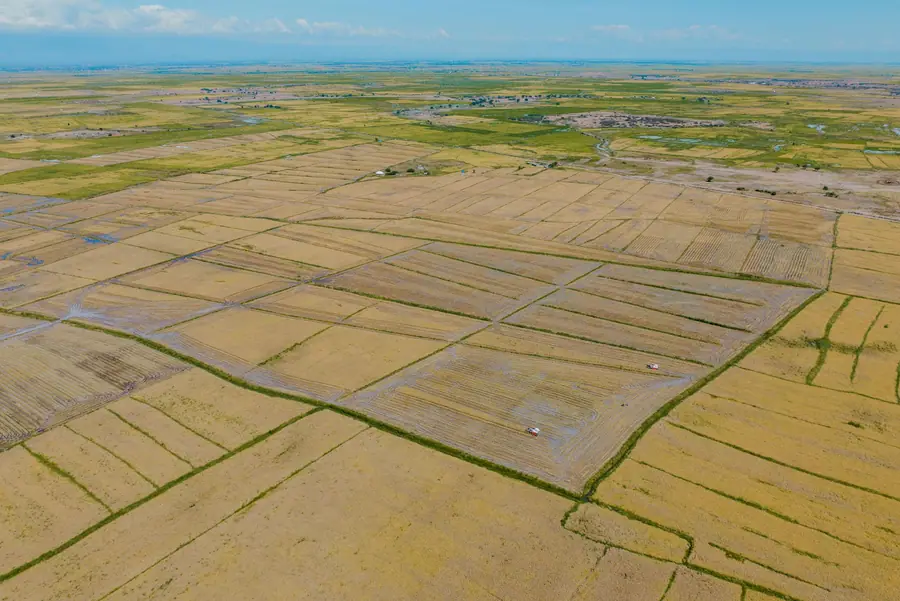
Sub-Saharan Africa consumed 40.2 million tonnes of milled rice in 2024/25 and produced 23.5 million, importing much of the difference, by USDA figures. Nigeria is Africa’s largest producer, with 9.1 million tonnes of paddy in 2024, followed by Egypt, Madagascar, Tanzania and Guinea.

Local rice loses to imports on consistency as much as price. Modern milling, parboiling, drying and grading, supplied by organised outgrowers, is where the value sits.

40.2m t

milled rice consumed in Sub-Saharan Africa in 2024/25, against 23.5 million tonnes produced.

USDA Foreign Agricultural Service, October 2026

What investors look at

  • Lowland or irrigated land with water control
  • Milling capacity matched to paddy supply
  • Outgrower contracts and input finance
  • Import tariffs and policy changes
SourcesFAO, 2024
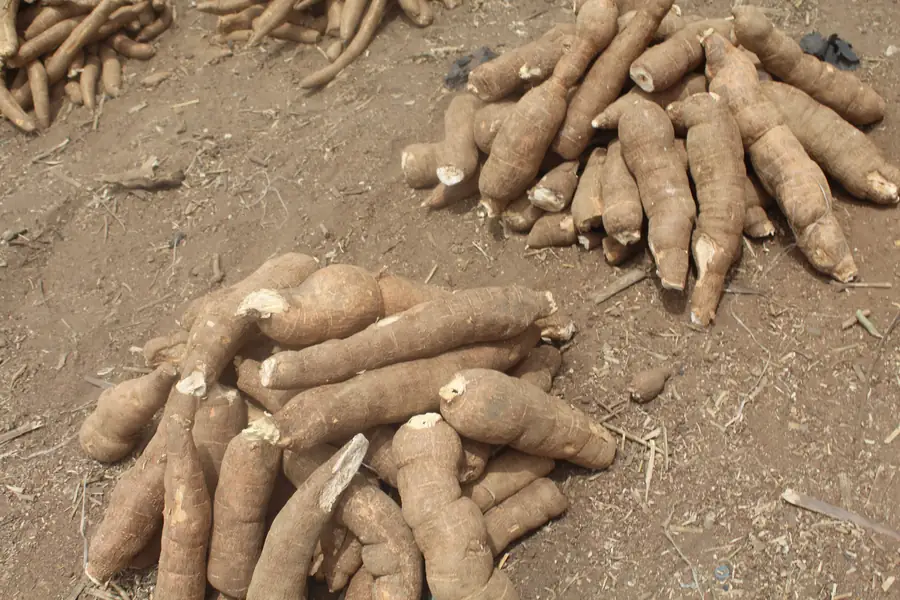
Cassava

Africa’s largest crop by weight

Africa grew 222.8 million tonnes of cassava in 2024, about two thirds of the world’s crop, by FAO estimates. Nigeria is the largest producer in the world, followed in Africa by the DR Congo and Ghana.

Fresh roots spoil within days of harvest, so value depends on processing close to the farm: flour, starch, garri and ethanol. In Sierra Leone, Sunbird Bioenergy states that it uses cassava in the off-season for ethanol, starch and flour.

What investors look at

  • Processing within a day or two of harvest
  • Steady supply from outgrowers
  • Buyers for flour and starch: bakeries, brewers, paper and textile mills
  • Power and water for the plant
62.6m t

Nigeria’s cassava production in 2024, the largest of any country.

FAO, 2024
Cocoa

West Africa’s leading export crop

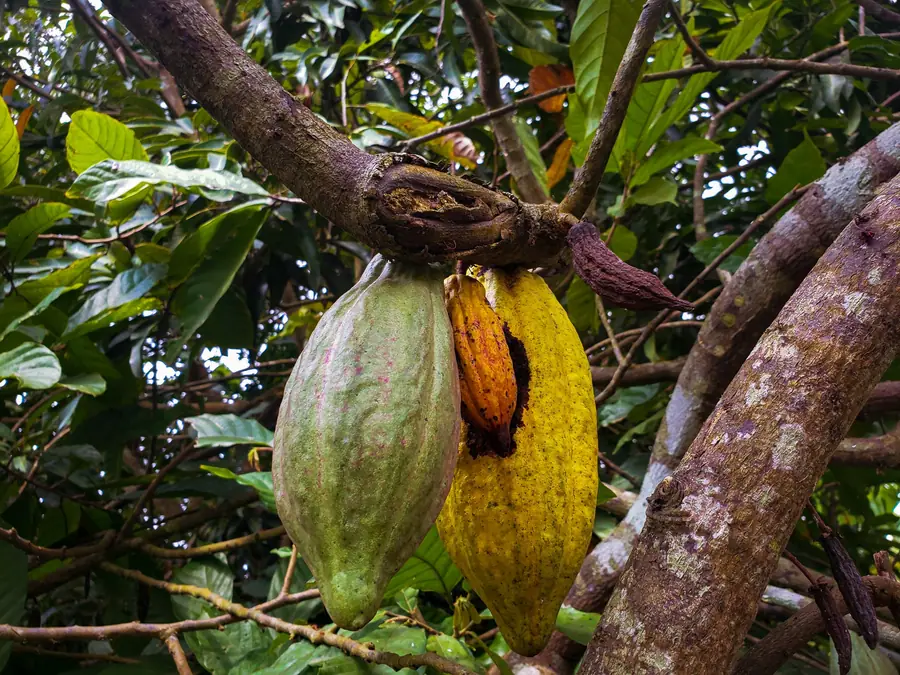
Africa produced 71.3% of the world’s cocoa in 2023/24, led by Côte d’Ivoire with 1.67 million tonnes and Ghana with 449,000 tonnes, by ICCO figures. Côte d’Ivoire’s cocoa bean exports were worth almost US$4.0 billion in 2024.

Most beans still leave unprocessed: Africa ground 22.3% of the world’s cocoa in 2023/24. From 30 December 2026, the EU deforestation regulation requires large and medium companies to trace cocoa and coffee sold in the EU to the plot and show it did not come from deforested land.

What investors look at

  • Traceability to the farm plot
  • Bean quality, fermentation and drying
  • Grinding and processing at origin
  • Licensing and pricing by national cocoa regulators
71.3%

Africa’s share of world cocoa production in 2023/24.

International Cocoa Organization, 2023/24
Cattle and livestock

Large herds, little processing

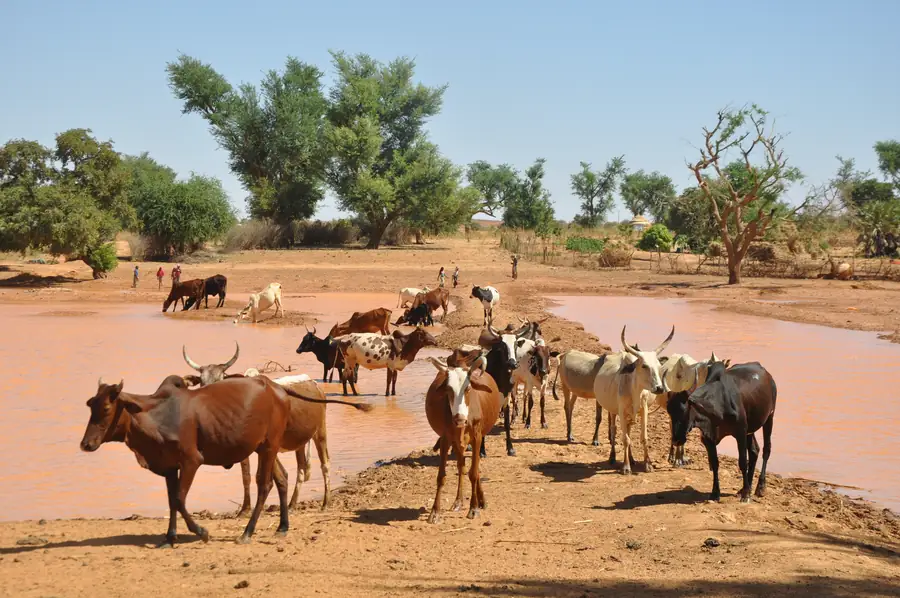
Africa had about 399 million cattle in 2024, a quarter of the world’s herd, by FAO estimates. Ethiopia has the largest herd, at 71.9 million head, followed by Chad, Tanzania, Sudan and Kenya.

Most cattle are raised by pastoralists and smallholders and sold live. Feedlots, abattoirs that meet export standards, cold chains and leather processing are thin, which leaves value in herds that could become meat, dairy and hides.

71.9m

cattle in Ethiopia in 2024, Africa’s largest herd (FAO estimate).

FAO, 2024

What investors look at

  • Animal health and disease control
  • Feed and water through the dry season
  • Abattoirs meeting veterinary and export standards
  • Agreements with pastoralist communities
Poultry and eggs

The fastest-growing protein

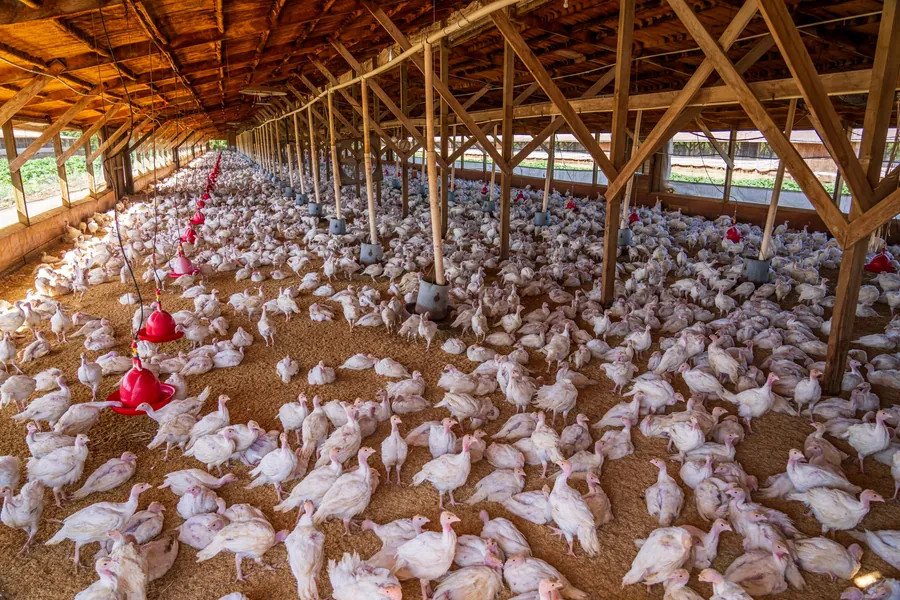
African chicken meat production rose from 5.3 million tonnes in 2014 to 8.3 million in 2024, and hen eggs from 3.3 to 4.1 million tonnes, by FAO estimates. Demand still outruns supply: Ghana imported 320,000 tonnes of chicken meat in 2024 and South Africa 408,000.

Feed decides the business. Maize and soybean supply, feed milling and hatcheries producing day-old chicks determine whether local producers can compete with imports.

What investors look at

  • Reliable maize and soybean for feed
  • Hatchery and day-old chick supply
  • Biosecurity and veterinary services
  • Cold storage and distribution
8.3m t

chicken meat produced in Africa in 2024, up from 5.3 million in 2014.

FAO, 2024
SourcesFAO, 2024
Where crops are grown

Africa’s Farm Belts, Crop by Crop.

Choose a crop or herd. Each layer uses FAO’s production or livestock figures for 2024, in tonnes or head.

Rice production, 2024, tonnes of paddy (FAOSTAT)

  1. Nigeria9.13 million t
  2. Egypt6.43 million t
  3. Madagascar4.97 million t
  4. Tanzania4.05 million t
  5. Guinea3.68 million t
  6. Mali2.76 million t
  7. Côte d'Ivoire2.38 million t
  8. DR Congo1.94 million t
  9. Ghana1.72 million t
  10. Senegal1.58 million t
  11. Sierra Leone1.39 million t
FAO, 2024

FAOSTAT marks many African figures as FAO estimates or imputed values; treat them as orders of magnitude. ICCO cocoa figures use the cocoa year and differ from FAO’s calendar-year data.

The value chain

From Inputs to Export.

Every farm business sits somewhere on this chain. Most of the value, and most of the investment gaps, are in the middle.

  1. Inputs

    Seed, fertiliser, feed, veterinary care and the finance farmers need to buy them.

  2. Production

    Land, water, labour and machinery, from smallholdings to commercial estates.

  3. Aggregation and storage

    Collection, drying, grading, warehouses and cold rooms near where crops are grown.

  4. Processing

    Milling, grinding, feed mills, abattoirs and packing that turn produce into products.

  5. Markets and export

    Distributors, retailers, food companies and export buyers in Africa, Europe and Asia.

What holds yields back

Four Gaps, in Figures.

The same handful of constraints appear in almost every African farm business plan. Each one is also an investment area.

19.3 kg

of fertiliser per hectare of arable land in Sub-Saharan Africa in 2023, against 136.5 kg worldwide.

World Bank, 2023
2.86%

of Sub-Saharan Africa’s cropland equipped for irrigation in 2023, against 22.35% worldwide.

FAO, 2023
23.0%

of food lost between harvest and retail in Sub-Saharan Africa in 2023, against 13.3% worldwide.

FAO via UN SDG Global Database, 2023
2.4 t/ha

average rice yield in Africa in 2024, against 4.8 tonnes a hectare worldwide.

FAO, 2024
Inputs, machinery and storage

The Businesses Behind the Farm.

Serving many farmers is usually lower risk than farming one estate. These are the services every farming region needs.

  • Fertiliser and soil health

    African governments set a target in 2006 to raise fertiliser use to 50 kg of nutrients per hectare, and returned to soil health at the 2024 summit in Nairobi. Distribution, blending and soil testing remain thin.

    50 kg/ha

    the Abuja Declaration target for fertiliser use, set in 2006.

    African Union, 2024
  • Seed and planting material

    Certified seed, cassava cuttings, cocoa and oil palm seedlings and vegetable seed, multiplied and sold through dealers close to farmers.

  • Feed milling

    Poultry, fish and livestock feed from local maize, soybean and by-products, the largest cost in most livestock businesses.

  • Machinery and services

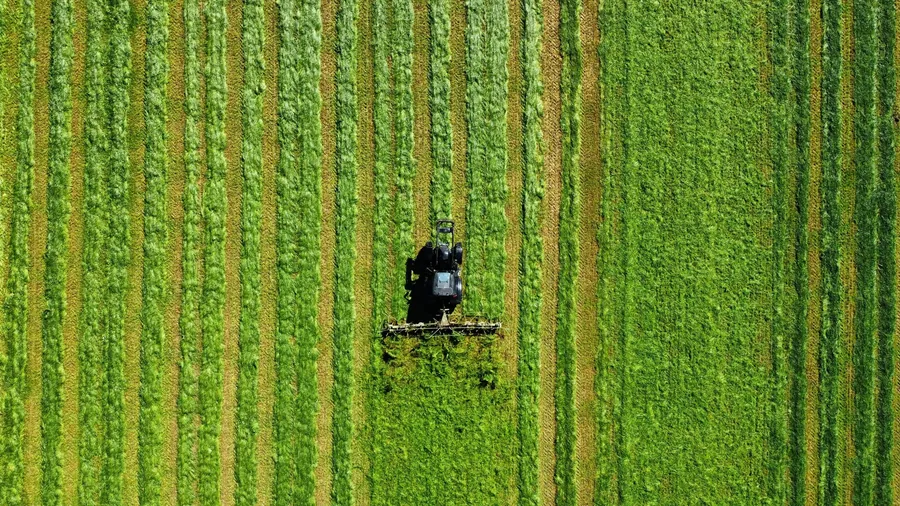
    Tractor and harvester hire, land preparation and threshing services sold by the hectare, so farmers pay without buying machines.

  • Irrigation

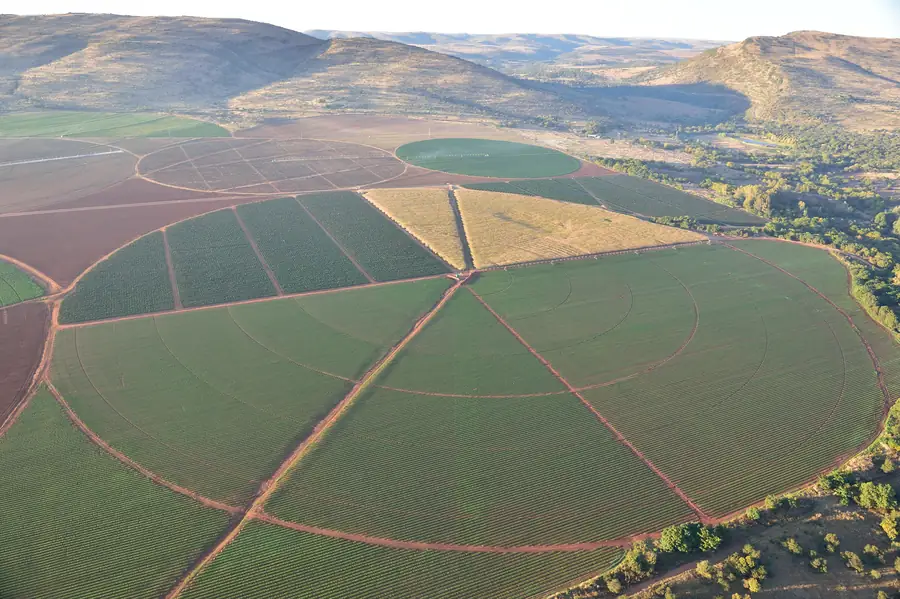
    Pumps, drip systems, small dams and lowland water control, increasingly solar powered, for a second season and steadier yields.

  • Storage and cold chain

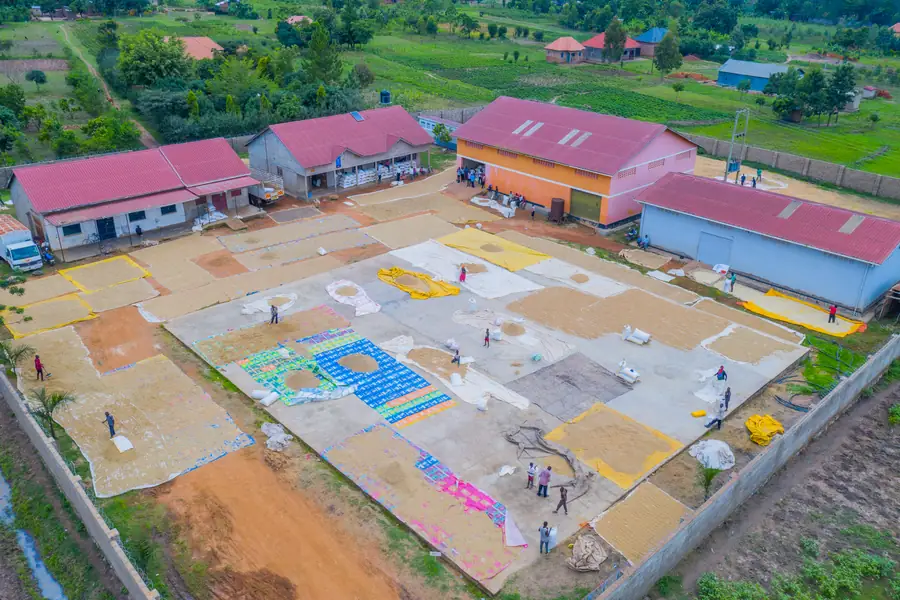
    Drying floors, silos, warehouses and cold rooms that cut losses and let farmers and traders sell when prices are better.

Sub-Saharan Africa holds about 202 million hectares of uncultivated land suitable for rain-fed crops.

Nearly half the world’s total, by the World Bank’s 2011 assessment. Less than half of it lies within six hours of a market town, which is why roads matter as much as land.

Opportunity areas

Where Agribusiness Investors Take Part.

Business models that answer demand Africa already has. Each depends on a steady supply of produce and a buyer who pays.

Illustrative opportunity areas, not live deals or offers
  • Rice milling and parboiling

    Modern mills producing clean, graded rice that competes with imports, supplied by outgrowers on contract.

    Typical entry
    A mill in a major producing area, with outgrower supply contracts.
    Verify first
    Paddy supply, power, the quality of competing imports and tariff policy.
  • Poultry and feed

    Feed mills, hatcheries and integrated broiler and egg operations near growing cities.

    Typical entry
    A feed mill or integrated operation with a distribution partner.
    Verify first
    Maize and soybean supply, hatchery capacity and disease control.
  • Cassava processing

    Starch, flour and ethanol plants that turn a perishable root into products food and drink companies buy.

    Typical entry
    A plant with outgrowers within a day’s haul.
    Verify first
    Root supply, buyers’ specifications and power.
  • Cocoa and coffee value addition

    Buying, drying, grading and processing with the traceability EU buyers now require.

    Typical entry
    A licensed buying or processing operation with traceable supply.
    Verify first
    Licensing by commodity regulators, EU traceability rules and quality.
  • Storage, drying and cold chain

    Warehouses, dryers and cold rooms serving traders, processors and exporters.

    Typical entry
    Facilities with throughput agreements from users.
    Verify first
    Committed volumes, power and the rules for warehouse receipts.
  • Mechanisation and input services

    Tractor hire, seed and fertiliser distribution, and finance repaid at harvest.

    Typical entry
    A dealer network or service centre in a producing region.
    Verify first
    Farmer credit, repayment at harvest and after-sales service.
Operating risks

What Farm Investments Have to Survive.

Weather, land and policy decide more agricultural investments than agronomy does.

Land tenure and consent

Much farmland is held under customary tenure. Leases without the documented consent of the landowning families and community are the most common source of conflict on commercial farms.

How it is managed: Follow the national land law to the letter, document consent, agree benefit sharing in writing and keep a grievance process.

Climate and water

The IPCC assessed that climate change has cut the growth of African farm productivity by 34% since 1961. Rain-fed farming carries the most risk.

How it is managed: Irrigation or water control where possible, drought-tolerant varieties, crop insurance and diversified sourcing.

Policy and trade

Import tariffs, export bans, price controls and commodity board rules can change the economics of a crop in a season.

How it is managed: Track policy with local partners, avoid models that depend on a single tariff, and keep buyers in more than one market.

Logistics and storage

Poor roads, high transport costs and post-harvest losses erode margins between the farm and the buyer.

How it is managed: Locate processing near supply, invest in drying and storage, and plan routes before harvest.

Finance and currency

Farm credit is scarce and expensive, and inputs are often priced in dollars while crops sell in local currency.

How it is managed: Development finance, offtake-backed lending, and matching the currency of inputs and sales where possible.

Quality and certification

Export buyers set standards for quality, residues and, in the EU from 30 December 2026, deforestation-free traceability.

How it is managed: Build traceability and quality control in from the start, with certification where buyers require it.

Country perspective

From Rice Fields to Coffee Hills.

Every country has its own crops, land law and incentives. Sierra Leone first, then reference points across the continent.

Sierra Leone
29.5%
of Sierra Leone’s GDP came from agriculture in 2025. World Bank, 2025
399,261 t
of milled rice imported in 2024, worth US$210.8 million (FAO data). FAO, 2024

Rice first, and a 2022 land law for investors.

Agriculture produced 29.5% of Sierra Leone’s GDP in 2025 and employed 44.5% of workers. Rice is the staple, about 192 kg per person a year by FAO estimates. The country grew 1.39 million tonnes of paddy in 2024 and still imported about 400,000 tonnes of milled rice.

Cassava is the largest crop by weight, and cocoa is the leading export crop, followed by coffee and oil palm. SLIEPA lists a 10-year income tax exemption for rice farming and tree crops such as cocoa, coffee and oil palm.

Investment on customary land follows the Customary Land Rights Act 2022: leases of up to 50 years for non-citizens and foreign companies, an initial maximum of 15,000 hectares for agriculture, written consent from at least 60% of adult family or community members, and land that reverts to its owners if it is unused for five years.

  • Guinea

    Agriculture is 31.3% of GDP. Guinea grew 3.68 million tonnes of paddy rice in 2024, and its cocoa bean exports were worth US$426 million, alongside cashew and coffee.

    31.3%

    agriculture’s share of Guinea’s GDP in 2025.

    World Bank, 2025
  • Liberia

    Agriculture is 32.7% of GDP, with natural rubber, oil palm and cocoa as the main commercial crops.

  • Nigeria

    Africa’s largest producer of rice and of cassava, and a large poultry market that relies on domestic feed.

  • Côte d’Ivoire

    The world’s largest cocoa producer, which grinds 744,000 tonnes of beans at home, and a leading cashew exporter.

  • Ethiopia and Uganda

    Africa’s coffee leaders: Uganda’s green coffee exports were worth US$1.55 billion in 2024 and Ethiopia’s US$1.26 billion.

  • Kenya

    Tea exports worth US$1.08 billion in 2024, and an established horticulture sector selling to Europe.

Questions investors ask

Before You Commit, Ask These.

Can foreigners lease farmland in Sierra Leone?

Yes, on customary land under the Customary Land Rights Act 2022: leases of up to 50 years for non-citizens and foreign companies and up to 15,000 hectares initially for agriculture. The investor needs the written consent of at least 60% of the adult landowning family or community.

Why does Africa import so much rice?

Consumption has grown faster than production, and imported rice is often more consistent in quality. Sub-Saharan Africa consumed 40.2 million tonnes of milled rice in 2024/25 and produced 23.5 million, by USDA figures.

What incentives exist for agriculture in Sierra Leone?

SLIEPA lists a 10-year income tax exemption for rice farming and for tree crops such as cocoa, coffee and oil palm, and a three-year exemption for poultry and livestock investments of at least US$500,000. Confirm current terms with SLIEPA and a tax adviser.

What does the EU deforestation regulation mean for cocoa and coffee?

From 30 December 2026 for large and medium companies, and 30 June 2027 for micro and small ones, cocoa and coffee sold in the EU must be traceable to the plot and shown not to come from deforested land. Exporters without traceability risk losing EU buyers.

Is it better to farm or to process?

For most investors, processing, storage and input supply carry less risk than primary production, because they serve many farmers rather than depending on one farm’s harvest. The right answer depends on land, water and the market you sell into.

Talk to Us About Your Farm or Factory.

Tell us the crop, the country and the stage you are at. We will tell you plainly what to check first.

Sources and scope

Where the figures come from

Reviewed . Figures are quoted as each source states them, with the year they describe; reserves, production and export value are different measures and are labelled as such. Projects named on this page belong to the organisations that run them and are public information, not Capital Africa engagements. Opportunity areas are illustrative.