
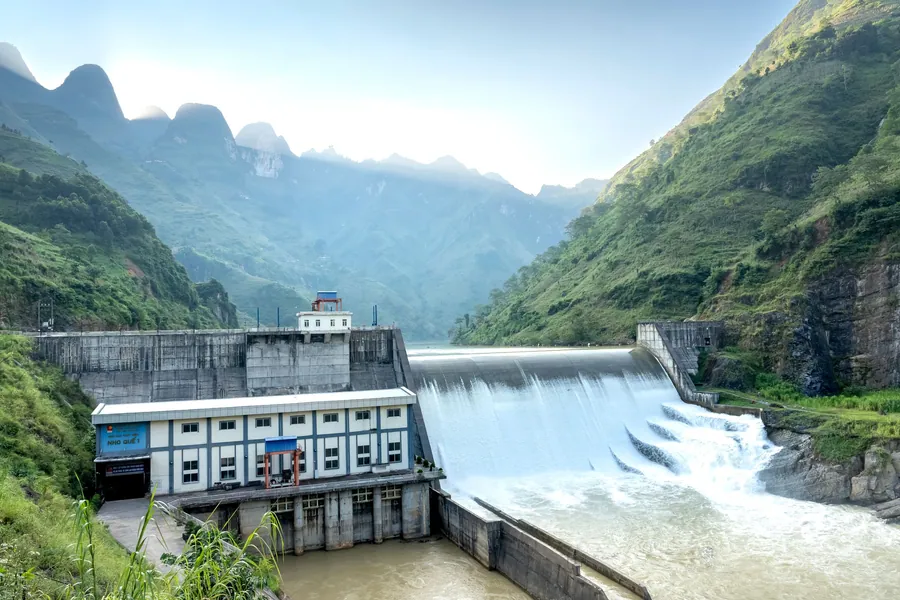
Energy and Renewables, Power for Growth.
Africa has the world’s largest gap in electricity access and some of its best renewable resources. This briefing covers demand, generation, grids and mini-grids, how power projects are financed, and what decides whether they are built.
- 563m
people in Sub-Saharan Africa had no electricity in 2024, 86% of everyone without access worldwide.
UN Statistics Division, 2024 data- 60% / 1%
Africa’s share of the world’s best solar resources, and of its installed solar PV.
IEA, 2022- 82.4 GW
of renewable capacity installed across Africa at the end of 2025.
IRENA, end 2025
The Largest Access Gap, the Best Resources.
- Main sources
- Hydropower, gas, oil, solar, wind and geothermal, in very different mixes by country
- Segments
- Utility generation, transmission, commercial and industrial solar, mini-grids, off-grid solar and storage
- Who invests
- Development finance institutions, independent power producers, utilities and commercial buyers
- Where we work
- Sierra Leone and Guinea, linked by the regional CLSG transmission line
In 2024, 55.1% of people in Sub-Saharan Africa had electricity: 82.9% in towns and 35.7% in rural areas. Businesses that cannot rely on the grid run their own diesel generators, which the IEA counted at 45 GW across the region in 2021.
The resource is not the constraint. The IEA calculates that Africa holds 60% of the best solar resources in the world but 1% of its installed solar PV, and the continent added only 1.6% of the world’s new renewable capacity in 2025. Hydropower is the backbone in many countries: Ethiopia’s hydro capacity rose from 5.2 GW to 9.2 GW in 2025 as the Grand Ethiopian Renaissance Dam came into service.
Money is the constraint. Africa received less than 3% of global clean energy investment in the decade to 2020, and the IEA put the continent’s cost of capital at up to seven times that of Europe or North America. Reaching everyone with electricity by 2030 needs about 177 million new connections and around US$30 billion a year, by the 2026 tracking report.
That is why the most active parts of the market are the ones that solve a specific customer’s problem: solar and storage for factories, mines and telecom towers now paying for diesel; mini-grids for towns the grid will not reach soon; and large plants backed by development finance and government guarantees.
Who Is Still Waiting for Power.
Most people without electricity in the world now live in Africa, and most of them in rural areas. Governments have committed to closing the gap with development partners under Mission 300.
- 55.1%
of people in Sub-Saharan Africa had electricity in 2024; 35.7% in rural areas.
World Bank, 2024- 300m
people Mission 300 aims to connect by 2030: 250 million through the World Bank Group, 50 million through the AfDB.
World Bank, 2025- 50m+
people connected across 40 countries under Mission 300 by June 2026.
World Bank and AfDB, 2026- US$30bn
a year, roughly, is what connecting everyone by 2030 would cost, with some 177 million new connections.
SEforALL, 2026
Eight Ways to Make and Move Power.
Solar, hydro, wind, gas and geothermal compete for the same customers, and none of them works without a grid or a contract that pays.
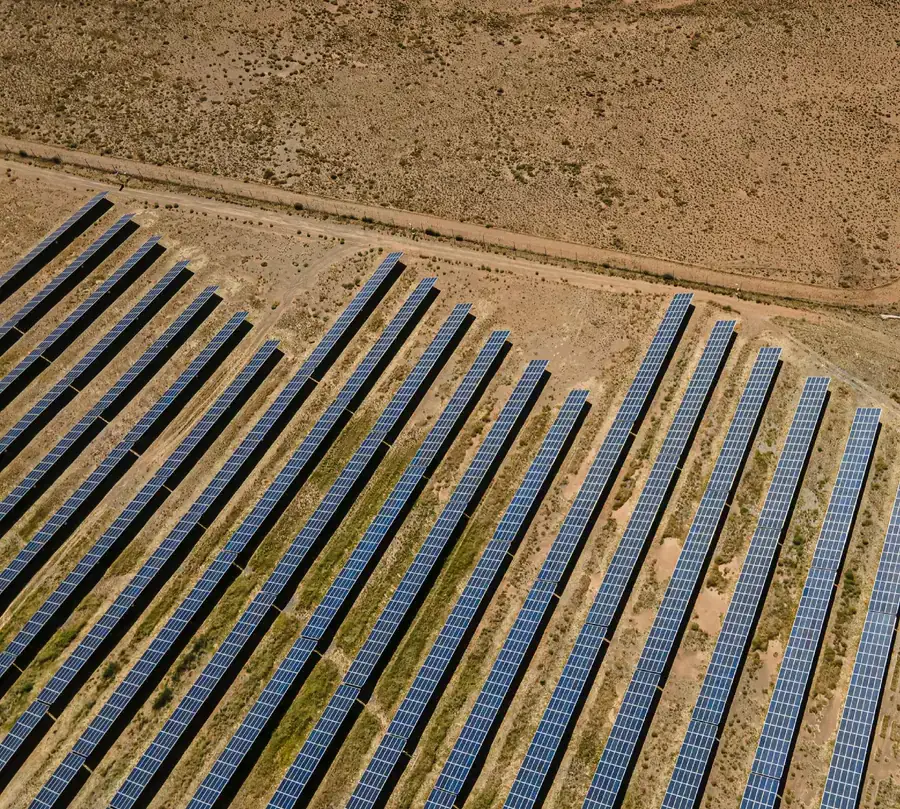
Solar parks that sell to the grid
Large solar parks sell power to a national utility under long-term contracts. North Africa built the first very large ones: Egypt’s Benban park joined 32 plants into one site, and Morocco’s Noor Ouarzazate complex combined concentrated solar power with photovoltaics.
South of the Sahara, plants are smaller and more often paired with batteries, because evening demand is high and the grid is weak.
- A bankable power purchase agreement
- Grid connection and evacuation capacity
- Land, permits and water for cleaning
- Storage to cover the evening peak
Benban solar park, Egypt: 32 plants on one site, per the IFC.
IFC, 2019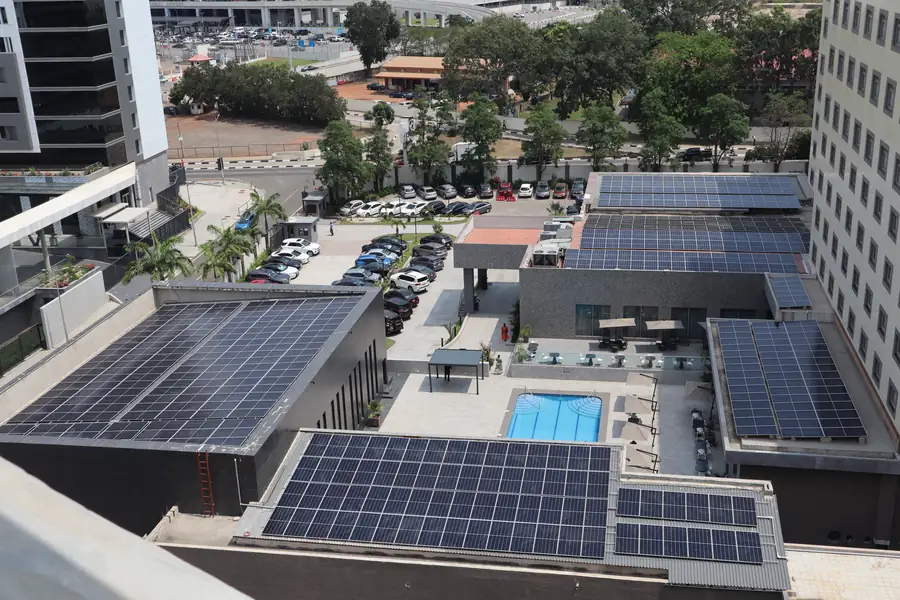
Solar and storage for businesses paying for diesel
Factories, mines, hotels, hospitals and telecom towers that cannot rely on the grid run diesel generators. Solar with batteries, sold as a lease or under a power purchase agreement, often costs them less and needs no capital from the customer.
The model depends on the customer more than the technology: a creditworthy business, a site it controls, and payment in a currency the investor can live with.
- The customer’s power bills and diesel use
- Roof or land rights for the contract term
- Payment currency and indexation
- Maintenance on site for the life of the system
of backup diesel generators in Sub-Saharan Africa in 2021, 13 GW of them in Nigeria.
IEA, 2022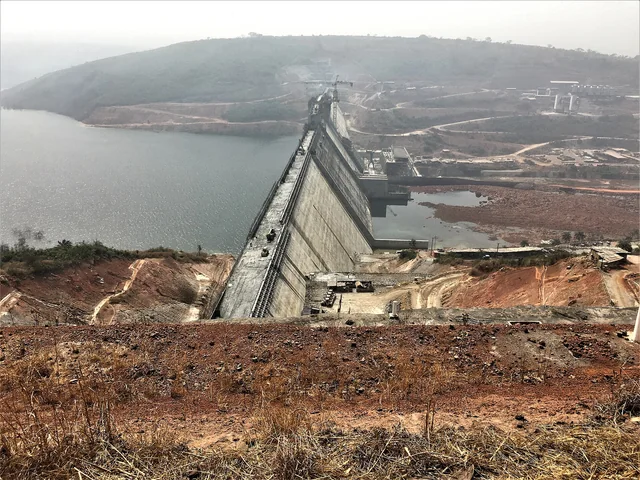
Rivers that carry national grids
Hydropower is Africa’s largest renewable source, with 45.4 GW installed at the end of 2025 excluding pumped storage. Large dams such as Ethiopia’s Grand Renaissance Dam and Tanzania’s Julius Nyerere plant now carry much of their countries’ supply.
Hydro is cheap to run and expensive and slow to build, and dry seasons and droughts cut output, which is why many hydro-reliant grids add solar and thermal plants alongside.
- Hydrology data over many years
- Resettlement and environmental studies
- Transmission to load centres
- Dry-season backup
of hydropower installed in Guinea at the end of 2025.
IRENA, end 2025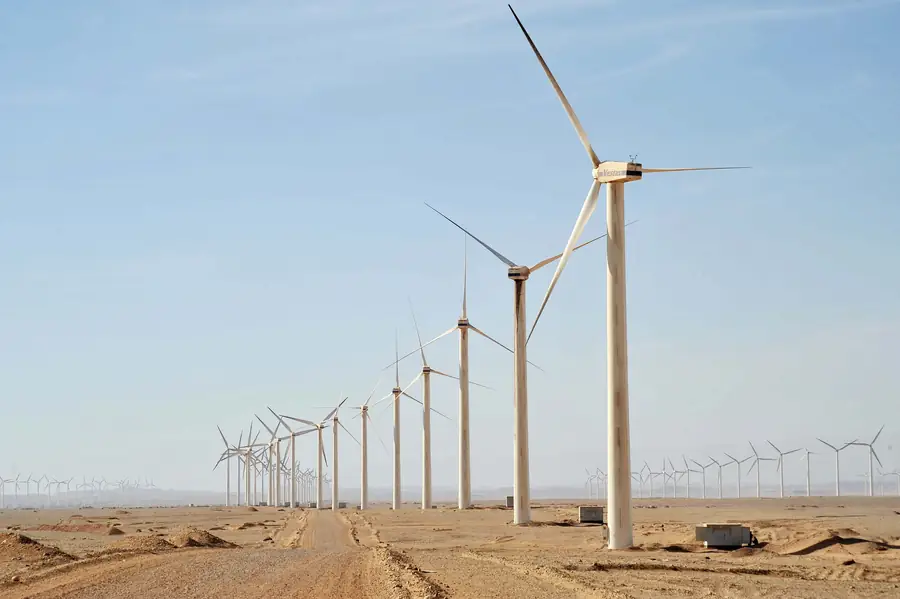
Wind where the resource is strong
Africa had 11.5 GW of wind capacity at the end of 2025, concentrated in South Africa, Egypt, Morocco and Kenya, where the wind is strong and steady.
Kenya’s Lake Turkana project shows both the scale and the dependencies: a large wind farm in the north needed its own transmission line of more than 400 km to reach the grid.
- At least a year of measured wind data
- Road access for turbine components
- A transmission route to buyers
- Community and pastoral land agreements
Lake Turkana Wind Power, Kenya, inaugurated in July 2019, per the company.
Lake Turkana Wind Power, 2019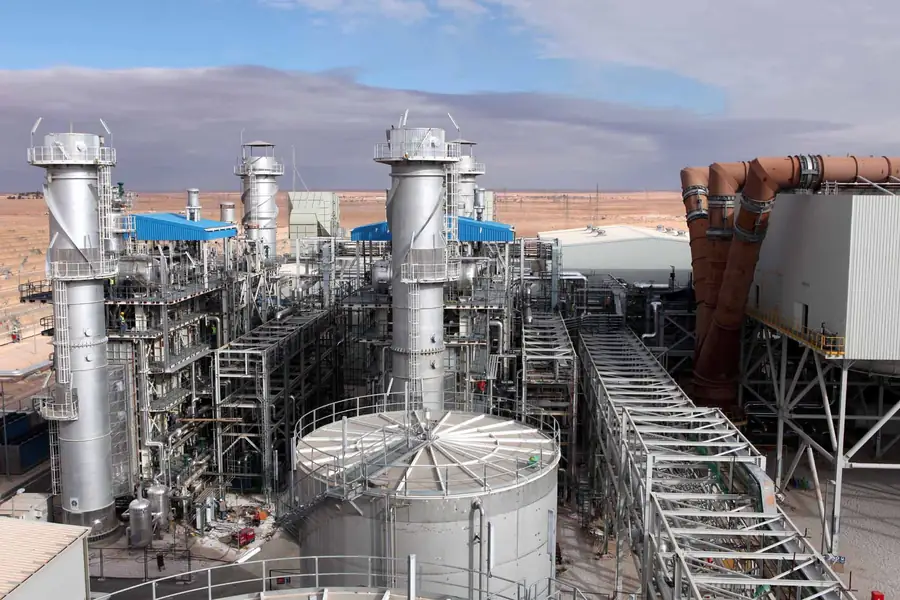
Gas and the transition from oil
Gas provides firm power that solar and wind cannot yet guarantee, and several West African countries are developing their own. The Greater Tortue Ahmeyim project off Senegal and Mauritania loaded its first LNG cargo in April 2025, and Senegal’s Sangomar field produced first oil in June 2024.
Elsewhere, utilities still rely on heavy fuel oil, diesel and floating power ships, which are quick to install and expensive to run.
- Fuel supply contracts and price indexation
- Who pays for fuel if the utility does not
- Conversion of oil plants to gas
- Emissions and the cost of carbon for exports
expected LNG production from the first phase of Greater Tortue Ahmeyim, per bp.
bp, 2025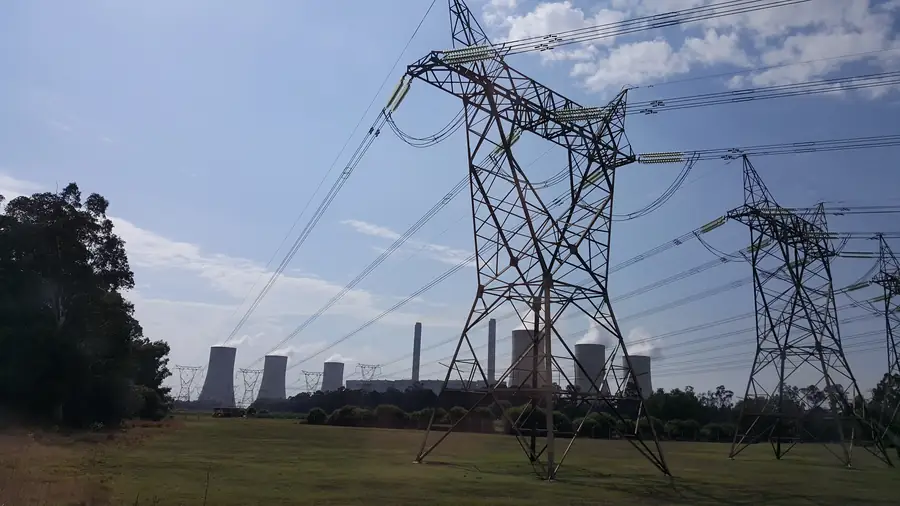
Grids that carry power to customers
Generation without transmission is stranded. Regional lines let countries share cheaper power: the CLSG line links Côte d’Ivoire, Liberia, Sierra Leone and Guinea with about 1,349 km of 225 kV circuits.
Distribution is where money is lost. Technical losses, theft and unpaid bills can exceed half of the power a utility buys, which is why metering, loss reduction and distribution concessions are investment areas in their own right.
- Who pays for and owns the line
- Wheeling and transmission charges
- Loss levels and metering
- Utility reform and concessions
of 225 kV lines in the CLSG interconnection, with 290 MW capacity on both circuits.
TRANSCO CLSG, accessed 2026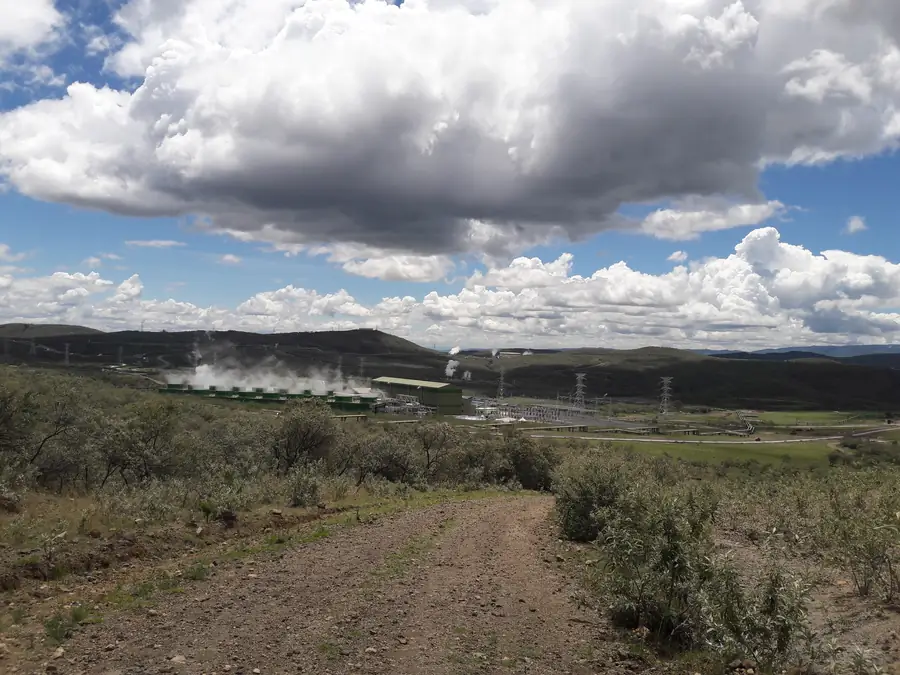
Steam from the Rift Valley
Geothermal plants run day and night and suit the East African Rift. Kenya has almost all of Africa’s installed geothermal capacity, with Ethiopia and others exploring.
Drilling risk is the barrier: wells cost millions before anyone knows how much steam there is, so governments and development banks usually carry the early exploration.
of geothermal capacity in Kenya at the end of 2025, of 933 MW in all of Africa.
IRENA, end 2025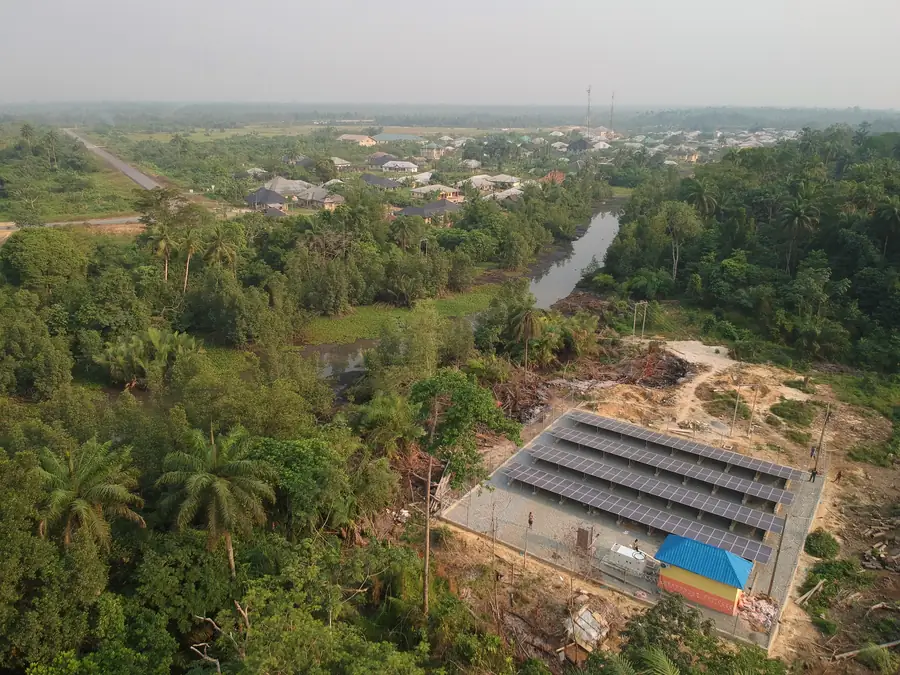
Power where the grid will not arrive soon
Solar mini-grids with batteries serve towns, farms and clusters of businesses beyond the grid. The World Bank counted more than 3,000 in Sub-Saharan Africa in 2023, up from about 500 in 2010, with 9,000 more planned.
Regulation decides whether they are investable: the tariff a developer may charge and what happens when the main grid arrives. Nigeria and Sierra Leone both have mini-grid regulations, and grid-scale batteries are now procured by tender in South Africa.
- A regulator-approved tariff
- Compensation if the grid arrives
- Productive users: mills, cold rooms, workshops
- Customer payment by mobile money
mini-grids installed in Sub-Saharan Africa in 2023, against about 500 in 2010.
World Bank, 2023Africa added 11.3 GW of renewable capacity in 2025, 1.6% of the world’s additions.
The best solar resources on earth, and a small share of the build. IRENA, Renewable Capacity Statistics 2026.
Africa’s Renewables, by Technology.
Installed renewable capacity at the end of 2025. Hydropower is shown without pumped storage.
IRENA reports 82,371 MW of renewable capacity in Africa at the end of 2025, including bioenergy and other sources not shown, and a further 3,546 MW of pumped storage.
From Resource to Revenue.
A power project is a contract before it is a plant. The steps below are where projects stall, and where an investor should look first.
Resource and site
Measured sun, wind or water data, land rights and a route to the grid or the customer.
Licences and permits
Generation licence, environmental approval and, for mini-grids, a site permit and tariff from the regulator.
Offtake
A power purchase agreement with a utility or a business that can pay, with clear indexation and currency.
Finance
Equity, development finance, guarantees against non-payment, and debt sized to the contract.
Build, connect, operate
Construction, grid connection, commissioning and maintenance for the life of the contract.
Where Power Projects Find Customers.
Business models that answer a real customer’s problem. The customer and the contract come before the technology.
Business solar and storage
Solar and batteries for factories, mines, hotels, telecom towers and farms that now pay for diesel, sold as a lease or under a power purchase agreement.
- Typical entry
- A contract with a creditworthy business customer.
- Verify first
- The customer’s power bills and diesel use, site rights and payment currency.
Mini-grids
Solar mini-grids with storage serving towns and clusters of businesses beyond the grid.
- Typical entry
- A permit and tariff from the national regulator for a defined site.
- Verify first
- Tariff rules, compensation if the grid arrives, and customers’ ability to pay.
Independent power production
Utility-scale solar, wind, hydro or gas plants selling to a national utility under a long-term contract.
- Typical entry
- A government tender or negotiated agreement, with development finance.
- Verify first
- Utility payment record, guarantees, grid connection and currency terms.
Networks and loss reduction
Lines, substations, metering and loss reduction for utilities and their concessionaires.
- Typical entry
- Contracts funded by development partners or awarded by utilities.
- Verify first
- Payment security and procurement rules.
Productive use and off-grid
Solar pumps, cold rooms, mills and appliances financed for farmers and small businesses.
- Typical entry
- A distribution partnership with local lenders or mobile money providers.
- Verify first
- Customer credit risk and after-sales service.
Engineering and maintenance
Installation, operation and maintenance services for the plants and systems already being built.
- Typical entry
- A partnership with developers and EPC contractors active in the country.
- Verify first
- Contract terms, local content rules and import duties on equipment.
What Decides Whether Power Gets Paid For.
Most power project risk is about money flowing back from customers. Engineering is rarely the hardest part.
Off-taker payment
Many utilities lose large shares of the power they buy and pay suppliers late. Sierra Leone’s distributor reported technical and commercial losses above 50% in 2024.
How it is managed: Payment guarantees, escrow arrangements, development bank risk cover, or selling directly to commercial customers.
Currency
Equipment and debt are in dollars or euros; tariffs are usually in local currency.
How it is managed: Hard-currency or indexed tariffs where allowed, local-currency finance where available, and devaluation tests.
Cost of capital
The IEA estimated Africa’s cost of capital at up to seven times that of Europe or North America, which can double the cost of the same plant.
How it is managed: Blended finance, development bank participation and guarantees that lower the risk lenders price.
Grid connection and curtailment
Weak grids limit how much variable power can be accepted, and connection works can lag the plant.
How it is managed: Grid studies early, connection agreements with deadlines, and storage where curtailment is likely.
Regulation and tariffs
Licences, tariff approvals and mini-grid rules differ by country and change with reform programmes.
How it is managed: Map every licence and the tariff method before committing, and track reform with local counsel.
Land, environment and communities
Hydro reservoirs, wind farms and lines cross land with many users.
How it is managed: Environmental and social assessment to international standards, and agreements with communities along the route.
Different Grids, Different Gaps.
Access, prices and regulation differ sharply between neighbours. Sierra Leone first, then reference points elsewhere.
- 39.2%
- electricity access in Sierra Leone in 2024 (World Bank). World Bank, 2024
- 271 / 140 MW
- installed capacity, and the capacity actually available, in 2025. Government of Sierra Leone, 2025
A small grid with a large plan.
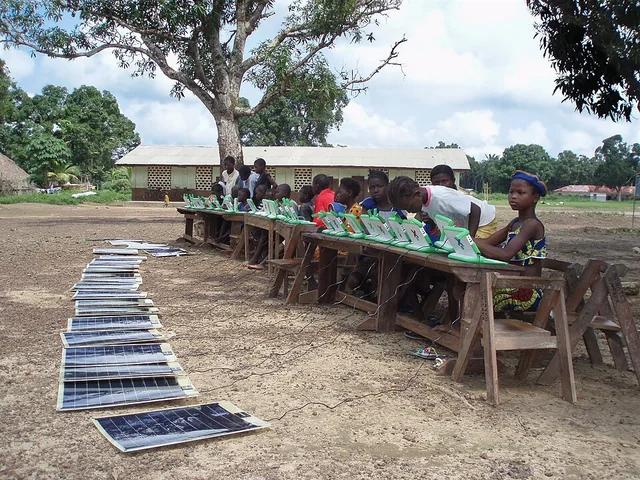
Sierra Leone’s electricity access was 39.2% in 2024 by World Bank data: 56.4% in towns and 24.9% in rural areas. The government’s Mission 300 compact uses a 36% baseline, targets 78% by 2030 and was endorsed in September 2025 as a US$2.2 billion plan.
About 271 MW is installed, but just over 140 MW is available, and the distribution company EDSA lost more than half of its power to technical and commercial losses in 2024, by the compact’s own account. Supply comes from Bumbuna hydro, a liquid-fuel independent power plant, imports over the CLSG regional line and about 50 MW of solar, including some 104 mini-grid sites.
Investment is arriving. A US$480 million Millennium Challenge Corporation compact signed in September 2024 includes a transmission backbone, distribution and access, and power sector reform. Mini-grid regulations have been in place since 2019 and have been updated to address tariffs.
Guinea
Electricity access of 53.8% in 2024, with 93.6% in towns and 29.4% in rural areas. Hydropower is the backbone, at 814 MW installed at the end of 2025.
Liberia
Access of 34.9% in 2024, with 9.2% in rural areas. The rebuilt Mount Coffee hydropower plant reached 88 MW in 2018.
88 MWMount Coffee hydropower plant, all four turbines online.
Millennium Challenge Corporation, 2018Kenya
Almost all of Africa’s geothermal capacity, at 925 MW, and the 310 MW Lake Turkana wind farm.
Nigeria
Thirteen gigawatts of backup diesel generators in 2021, and a US$750 million World Bank programme to bring clean power to 17.5 million people.
US$750mWorld Bank credit for Nigeria’s distributed renewable energy programme, approved December 2023.
World Bank, 2023Morocco
The Noor Ouarzazate complex combines concentrated solar power and photovoltaics, with more than 580 MW across its four plants.
Senegal and Mauritania
New gas producers: first LNG cargo from Greater Tortue Ahmeyim in April 2025, and first oil from Sangomar in June 2024.
Plants and Lines That Changed Their Markets.
Public projects that show what has been built and what it took. Capacity figures are the operators’ own statements.
- Côte d’Ivoire, Liberia, Sierra Leone, GuineaRegional transmission
CLSG interconnection
Four 225 kV lines of about 1,349 km linking four national grids, with 290 MW of transfer capacity on both circuits.
Operating, per TRANSCO CLSGTRANSCO CLSG, accessed 2026 - MoroccoSolar power complex
Noor Ouarzazate
Three concentrated solar power plants and one photovoltaic plant, more than 580 MW in total, developed by the Moroccan solar agency MASEN.
Four plants builtMASEN, 2017 - KenyaWind farm
Lake Turkana Wind Power
A 310 MW wind farm in northern Kenya, inaugurated in July 2019, with a 438 km transmission line to the national grid.
Operating since 2019Lake Turkana Wind Power, 2019
Practical Help on Power Projects.
We do not develop or own power plants. We help investors, developers and businesses research markets, check partners and projects, and meet the people who decide.
A first consultation is where we agree the question, the scope and who should be involved. Pick a time that suits you.
Book ConsultationMarket and regulatory research
Tariffs, licences, demand and the players in a specific market, written for your decision.
Project and partner checks
Verify developers, contractors and project documents before you commit.
Customer and site identification
Find businesses paying for diesel and sites where solar or a mini-grid can work.
Site visits
Plan and accompany visits to sites, plants and prospective customers.
Meetings with utilities and regulators
Prepare meeting requests with ministries, utilities and regulators, subject to their availability.
Before You Commit, Ask These.
Why invest in solar in Africa if the grid is weak?
Because the weak grid is the problem your customer pays to solve. Businesses running diesel generators, which the IEA counted at 45 GW across Sub-Saharan Africa in 2021, often save money with solar and storage sold under a lease or power purchase agreement.
What is Mission 300?
A World Bank Group and African Development Bank programme launched in April 2024 to connect 300 million Africans to electricity by 2030. By June 2026 it reported over 50 million people connected across 40 countries.
What is the electricity access rate in Sierra Leone?
It was 39.2% in 2024 by World Bank data, 56.4% in urban areas and 24.9% in rural areas. The government’s Mission 300 compact uses a 36% baseline and targets 78% by 2030.
Who finances power projects in Africa?
Development finance institutions, export credit agencies, governments and private developers, usually together. The IEA estimated Africa’s cost of capital at up to seven times that of Europe or North America, which is why guarantees and blended finance are common.
What is the CLSG interconnection?
A regional transmission line of about 1,349 km at 225 kV linking Côte d’Ivoire, Liberia, Sierra Leone and Guinea, with 290 MW of transfer capacity on both circuits. It lets the four countries trade electricity.
Talk to Us About Power.
Tell us the site, the load or the project. We will tell you plainly what to check first.
Where the figures come from
- President officially inaugurates the 310 MW Lake Turkana Wind Power project
Lake Turkana Wind Power, 2019
Reviewed . Figures are quoted as each source states them, with the year they describe; reserves, production and export value are different measures and are labelled as such. Projects named on this page belong to the organisations that run them and are public information, not Capital Africa engagements. Opportunity areas are illustrative.