Skip to content
Capital Africa
All regions
Flag of GhanaWest AfricaAvailable case by case

Ghana

Republic of Ghana

The largest of the covered West African economies, English speaking, and the seat of the AfCFTA Secretariat.

Capital
Accra
Currency
GHS
Population
35.06 million2025[7]
GDP
USD 114.21 billion2025[7]
Last reviewed
August 2026Next review February 2027
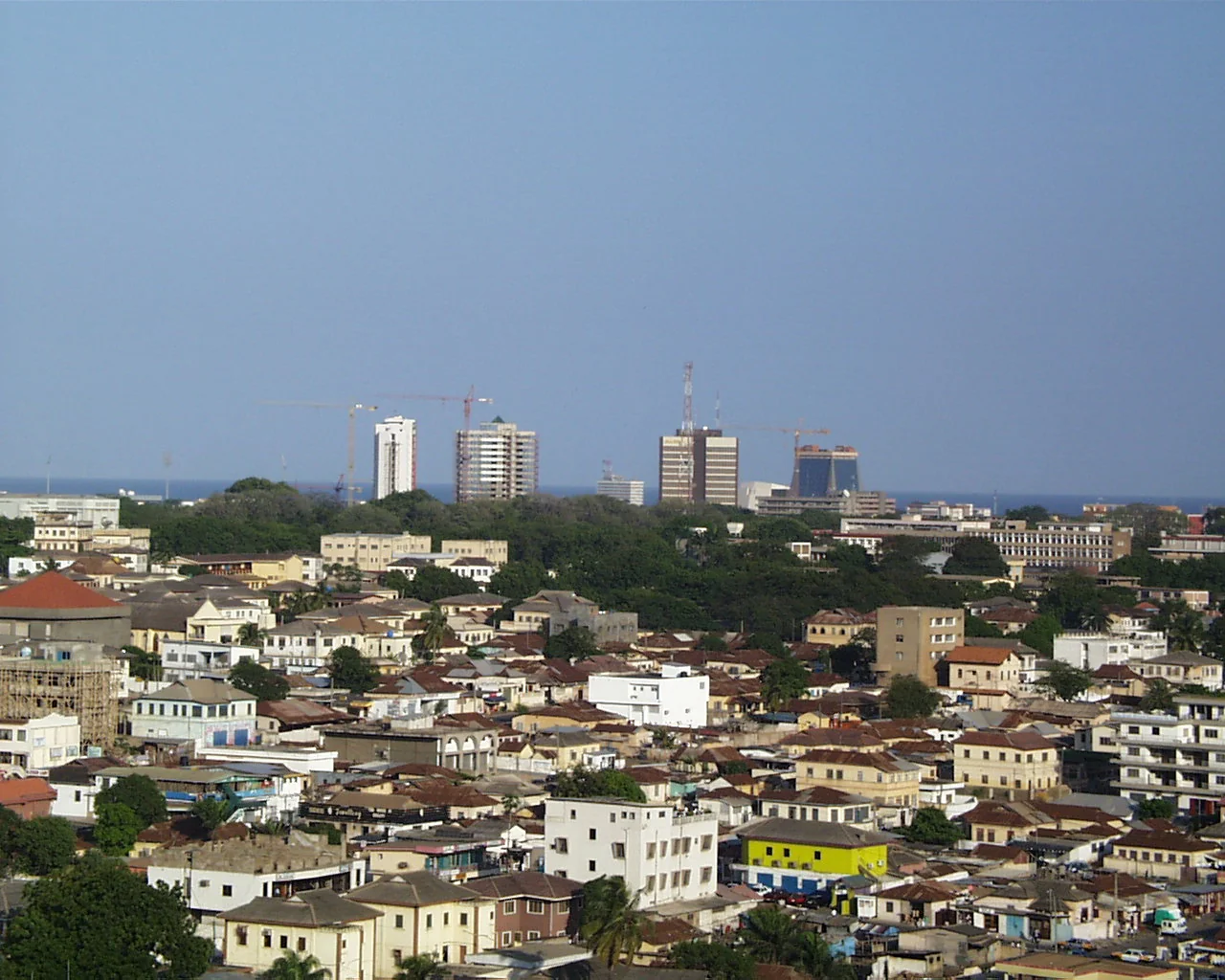
A sense of place

Discover Ghana.

  • Accra
  • Forest canopy
  • Culture & commerce
The canopy walkway at Kakum National Park, Ghana.
01 / City & connections

Accra, a place to begin

Start with the capital’s commercial context, then look more closely at the industries and institutions behind the market. Our Ghana briefing gives that first conversation a practical foundation.

02 / Landscape & heritage

Above the forest at Kakum

Kakum National Park is known for its suspended canopy walkway and rainforest trails. It introduces the forest landscapes of southern Ghana alongside the country’s cities and coastal heritage.

Explore the source
Explore the country briefing
Market at a Glance

The largest of the covered West African economies, English speaking, and the seat of the AfCFTA Secretariat.

Ghana is by a wide margin the largest economy Capital Africa covers in West Africa, at roughly USD 114 billion with a population of about 35 million in 2025. GDP per capita of around USD 3,257 is more than three times Sierra Leone’s or Liberia’s, which changes what is commercially possible: domestic consumer demand is a viable basis for a business case here in a way it is not in the smaller hub markets.

The institutional framework changed materially in 2026. The Ghana Investment Promotion Authority Act, 2026 (Act 1173) received presidential assent on 15 July 2026 and repealed the 2013 GIPC Act. This matters practically rather than cosmetically. The new Act removes the blanket minimum foreign capital requirements that applied to wholly foreign-owned enterprises and to joint ventures under the old law, while retaining a reduced threshold for trading enterprises. It also moves registration from a two-year to an annual renewal cycle and widens expatriate quota thresholds.

Anyone working from pre-2026 guidance on Ghanaian foreign investment thresholds is working from a repealed statute. This is the single most important thing to check before structuring an entry, and it should be confirmed with GIPA and Ghanaian counsel rather than from any summary, including this one.

Commercially the economy is broader than its neighbours: gold and other minerals, cocoa, oil and gas, a manufacturing base, and a financial services and technology sector centred on Accra. Two deep-water ports at Tema and Takoradi give it a genuine regional logistics role, and Accra hosts the AfCFTA Secretariat, which carries some weight in positioning.

The constraints to plan around are currency volatility, the cost and availability of credit, and power reliability. None of these is disqualifying, and all of them belong in the financial model rather than in a footnote.

Key Sectors

Where the Activity Actually Is.

Mining and minerals[6]

Why it matters
Gold is a principal export earner and the sector is long established with a dedicated regulator.
What exists
Large-scale and small-scale gold production, alongside other minerals. Mineral rights are regulated by the Minerals Commission.
Where opportunity may be
Services, supply and equipment into producing operations, and mineral processing where policy supports value addition.
Limitations
Capital intensity and licensing complexity. Small-scale mining carries distinct regulatory and reputational considerations.

Agriculture and agro-processing[4]

Why it matters
Cocoa is a long-standing export and the domestic market is large enough to support processing.
What exists
Established primary production with growing processing capacity.
Where opportunity may be
Value addition and processing serving domestic and regional demand.
Limitations
Input costs, power reliability and access to working capital.

Manufacturing[1]

Why it matters
A domestic market of 35 million and AfCFTA positioning make local production more viable than in smaller neighbours.
What exists
An established manufacturing base concentrated around Accra, Tema and Kumasi.
Where opportunity may be
Import substitution and regional export from a Ghanaian base.
Limitations
Energy costs and the cost of finance are the recurring constraints.

Financial services and technology[3]

Why it matters
Accra is a regional centre for financial services and a growing technology sector.
What exists
Banking, insurance, payments and a fintech ecosystem.
Where opportunity may be
Payments, lending technology and services to the wider economy.
Limitations
Regulatory licensing through the Bank of Ghana, and currency exposure on any dollar-denominated cost base.

Ports and logistics[5]

Why it matters
Tema and Takoradi give Ghana a regional transit role, including for landlocked neighbours.
What exists
Two deep-water ports operated under the Ghana Ports and Harbours Authority.
Where opportunity may be
Handling, warehousing, inland transport and transit services.
Limitations
Established operator positions and concession structures require investigation.
Trade

What Moves, and Where.

Regional position

  • ECOWAS
  • African Union
  • AfCFTA (Secretariat hosted in Accra)

No trade values or partner shares are published for Ghana. Figures circulate in secondary sources, but this review could not settle them against a dated official release, and an undated number is worse than none. What was checked, and where it fell short, is set out under Where This Comes From.

Doing Business

The Practical Environment.

  • English is the official language and the working language of law and commerce.
  • Company incorporation is handled by the Office of the Registrar of Companies. Enterprises with foreign participation register separately with GIPA.
  • The Ghana Investment Promotion Authority Act, 2026 (Act 1173) replaced the 2013 Act. It removes blanket minimum capital requirements for wholly foreign-owned enterprises and joint ventures, and retains a reduced threshold for trading enterprises.
  • Registration renewal moved from a two-year cycle to annual under the 2026 Act.
  • The 2026 Act introduces a statutory investor grievance mechanism and a one-stop shop, and widens expatriate quota thresholds.
  • Accra hosts the AfCFTA Secretariat.

Tax

  • Corporate tax, VAT and sector-specific rates are administered by the Ghana Revenue Authority. Rates and reliefs are revised in the annual budget, so current figures should come from the GRA directly rather than from any secondary summary.[4]

Institutions

  • Ghana Investment Promotion Authority (GIPA)[1]

    Ghana’s investment promotion body. Formerly the Ghana Investment Promotion Centre, it became an Authority under the Ghana Investment Promotion Authority Act, 2026 (Act 1173), which President Mahama assented to on 15 July 2026 and which repealed and replaced the GIPC Act, 2013 (Act 865). The Act introduces a statutory investor grievance mechanism and a one-stop shop.

  • Office of the Registrar of Companies[1]

    Company incorporation and the statutory register. Registration with GIPA is a separate step for enterprises with foreign participation.

  • Ghana Revenue Authority[4]

    Domestic tax and customs administration.

  • Minerals Commission[6]

    Regulation and management of the minerals sector, including mineral rights and licensing.

  • Ghana Ports and Harbours Authority[5]

    Operation and regulation of Ghana’s seaports, principally Tema and Takoradi.

These are the relevant public institutions. Listing them describes the market. It does not indicate any relationship between them and Capital Africa.

Currency

Ghana cedi

GHS

Bank of Ghana

The cedi operates in a flexible exchange rate environment, and it has moved sharply in both directions in recent years. For a business the practical consequences are three: price and contract in a stated currency, understand how and when you can convert and remit, and do not build a plan on a rate holding. Confirm the current position with your bank and the Bank of Ghana rather than with a published summary.[3]

No exchange rate is published here. Rates move, and a rate hardcoded into a web page is wrong within days.

Infrastructure and Logistics

How Goods Move.

Ports

  • Port of Tema[5]

    The principal container and general cargo port, east of Accra, and the main gateway for the industrial belt.

  • Port of Takoradi[5]

    The western port, historically associated with bulk commodities and with oil and gas support.

Corridors

  • Tema to Accra and Kumasi (domestic distribution)
  • Tema and Takoradi northward toward Burkina Faso and Mali (transit trade)

Commercial centres

Accra, Tema, Takoradi, Kumasi

Areas Worth Understanding

Where Commercial Interest Tends to Sit.

These are areas, not projects. Nothing here is a listing, a transaction or something available to participate in.

  • Manufacturing for domestic and regional demand

    Driver

    A domestic market of about 35 million in 2025, AfCFTA positioning, and an established industrial belt around Tema.

    Still needs investigation

    Energy cost and reliability at the specific site, cost of finance, and input import duties.

    Who it suits

    Manufacturers and investors funding capacity.

  • Transit logistics to the Sahel

    Driver

    Two deep-water ports serving landlocked Burkina Faso and Mali, whose corridor choices have shifted since 2025.

    Still needs investigation

    Current corridor volumes, border procedure, and incumbent operator positions.

    Who it suits

    Logistics operators and freight businesses.

  • Agro-processing

    Driver

    Established primary production and a domestic market large enough to absorb processed output.

    Still needs investigation

    Feedstock consistency, power, and route to market.

    Who it suits

    Food industry operators and investors.

Risks and Realities

What to Plan Around.

Commercial constraints, stated as implications rather than as commentary. A market can carry real opportunity and real constraint at the same time.

  • Currency volatility

    The cedi has moved sharply in both directions. Dollar-denominated costs against cedi revenue is the exposure that most often damages a plan here.

  • Regulatory transition

    Act 1173 is recent. Implementation guidance is still being issued, and pre-2026 advice on capital thresholds is out of date. Confirm the current position before structuring.

  • Cost of finance

    Domestic borrowing costs have been high. Working capital assumptions should be tested rather than imported from another market.

  • Power reliability

    Affects industrial and processing viability. Captive generation may belong in the capital plan.

  • Competitive market

    Ghana is the most contested of the covered markets. Incumbents exist in most sectors, which is a sign of viability and a barrier at the same time.

Compliance considerations

  • GIPA registration and the annual renewal obligation under Act 1173.
  • Minerals Commission licensing for any mineral activity.
  • Bank of Ghana licensing for financial services and payments.
  • Foreign exchange and repatriation procedures, confirmed with your bank.
  • Counterparty, beneficial ownership and sanctions screening.

These identify questions to ask. They are not legal conclusions, and current requirements should be confirmed with qualified local counsel.

Before Entering This Market

A Working Checklist.

  1. 01Define the commercial objective and whether it rests on domestic demand, export or transit
  2. 02Confirm the current GIPA requirements under Act 1173, not the repealed 2013 thresholds
  3. 03Incorporate with the Registrar of Companies and register separately with GIPA
  4. 04Diarise the annual GIPA registration renewal
  5. 05Model currency exposure explicitly, including conversion and remittance
  6. 06Confirm sector licensing with the relevant regulator
  7. 07Identify and verify potential partners independently
  8. 08Validate logistics through Tema or Takoradi
  9. 09Obtain Ghanaian legal and tax advice on current requirements
Your visit, thoughtfully arranged

Arrive With a Plan.

Considering a visit to Ghana? Discuss the practical support you need with us as part of your consultation.

Aerial view of a coastal city and its bay under a dusk sky.

Hotels & accommodation

Hotel options around your meetings, preferred comfort and budget, with booking arrangements agreed before arrival.

Book Consultation
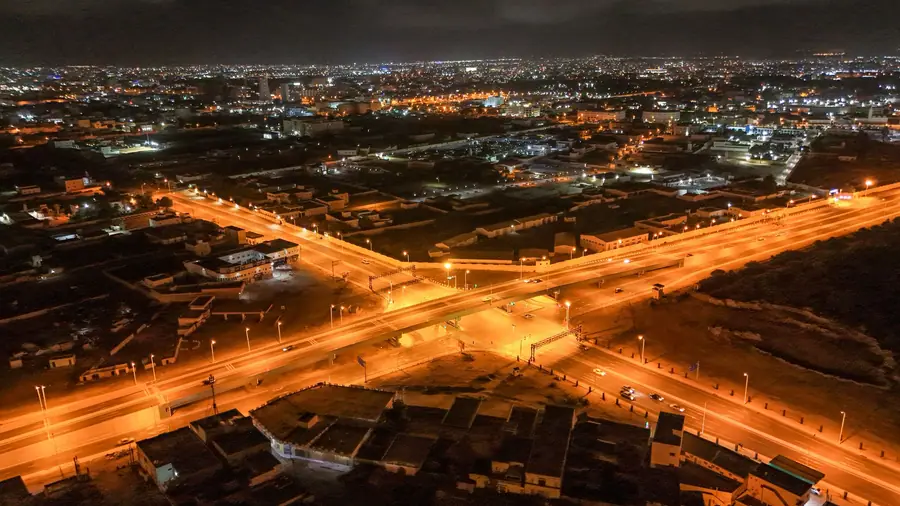
Aerial night view of illuminated roads and an interchange in Nouakchott, Mauritania.

Private cars & airport transfers

Airport pickup, a vehicle with a driver, and transport between meetings or sites, planned around your itinerary.

Book Consultation
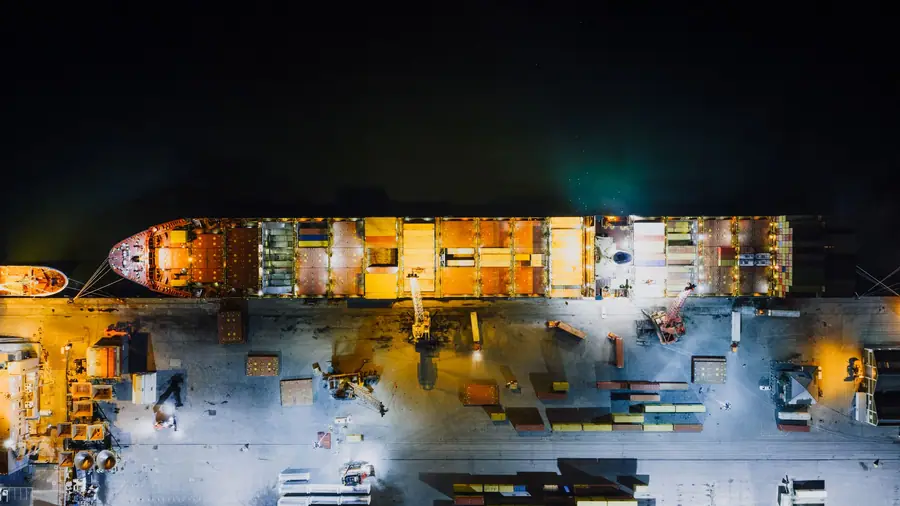
Top-down night view of a cargo ship and floodlit quay at Cape Town harbour.

Security & escort arrangements

Coordination with appropriately licensed security providers when requested, with the scope and availability confirmed for your visit.

Book Consultation
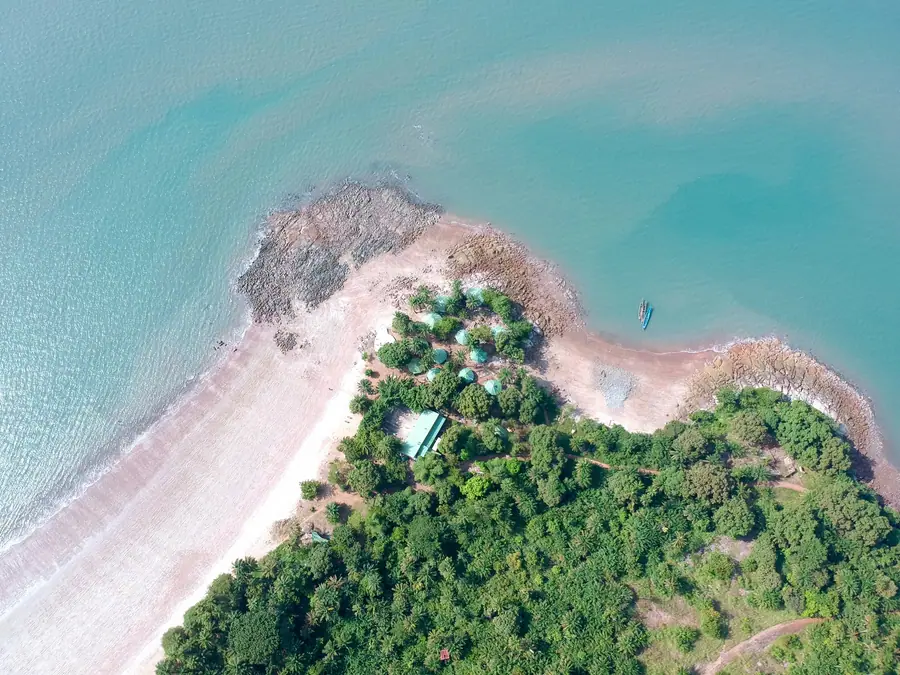
Aerial view of a beach, rocks and forest on the Conakry coastline, Guinea.

Local hosts & interpreters

Local orientation, language support and coordination around the business appointments you came to make.

Book Consultation

Your hotel, vehicle, providers, scope and costs are confirmed before booking.

Sources and Further Reading

Where This Comes From.

Numbered references in the text point here. Each source is labelled by what it actually is. A central bank, a licensing regulator and a national statistics office are all authoritative and are not the same thing.

Show all 7 sources

Government

  1. [1]Ghana Investment Promotion Centre (GIPC) Now an AuthorityGhana Investment Promotion Authority · Regulator · accessed 2026-08-20
  2. [2]Mahama signs law transforming GIPC into AuthorityGhana News Agency · Professional source · accessed 2026-08-20

Central bank

  1. [3]Bank of GhanaBank of Ghana · Central bank · accessed 2026-08-20

Economic data

  1. [4]Ghana Statistical ServiceGhana Statistical Service · National statistics · accessed 2026-08-20
  2. [7]Ghana country dataWorld Bank · Multilateral · accessed 2026-08-20

Trade

  1. [5]Ghana Ports and Harbours AuthorityGPHA · Government · accessed 2026-08-20

Sector

  1. [6]Minerals CommissionMinerals Commission, Ghana · Regulator · accessed 2026-08-20

What we could not settle

  • Act 1173 is weeks old at the time of review. The reduced trading-enterprise threshold, the expatriate quota figures and the transition arrangements for existing GIPC registrations were not established from the text of the Act itself and are not published as figures. Confirm directly with GIPA.
  • Tax rates are not published. They change in the annual budget and should come from the Ghana Revenue Authority.
  • Trade composition and port throughput figures were not established from Ghana Statistical Service or GPHA releases in this pass, and no trade percentages are published.

Capital Africa market briefing: Ghana. Last reviewed August 2026, next review February 2027. Every figure above carries its reference year and its source.