Skip to content
Capital Africa
All regions
Flag of MaliWest AfricaAvailable case by case

Mali

Republic of Mali

A landlocked, francophone, gold-led economy inside the CFA monetary union but outside ECOWAS since 2025.

Capital
Bamako
Currency
XOF
Population
25.20 million2025[5]
GDP
USD 30.07 billion2025[5]
Last reviewed
August 2026Next review November 2026
A sense of place

Discover Mali.

  • Bamako
  • Niger River
  • Living heritage
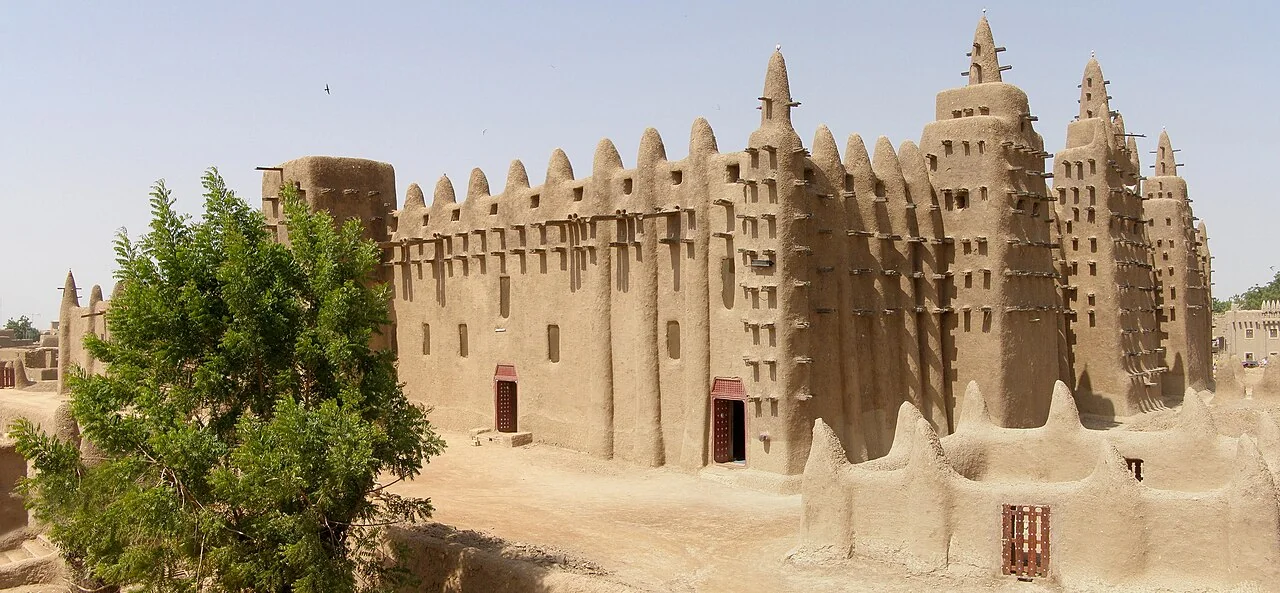
The Great Mosque of Djenne, Mali.
01 / City & connections

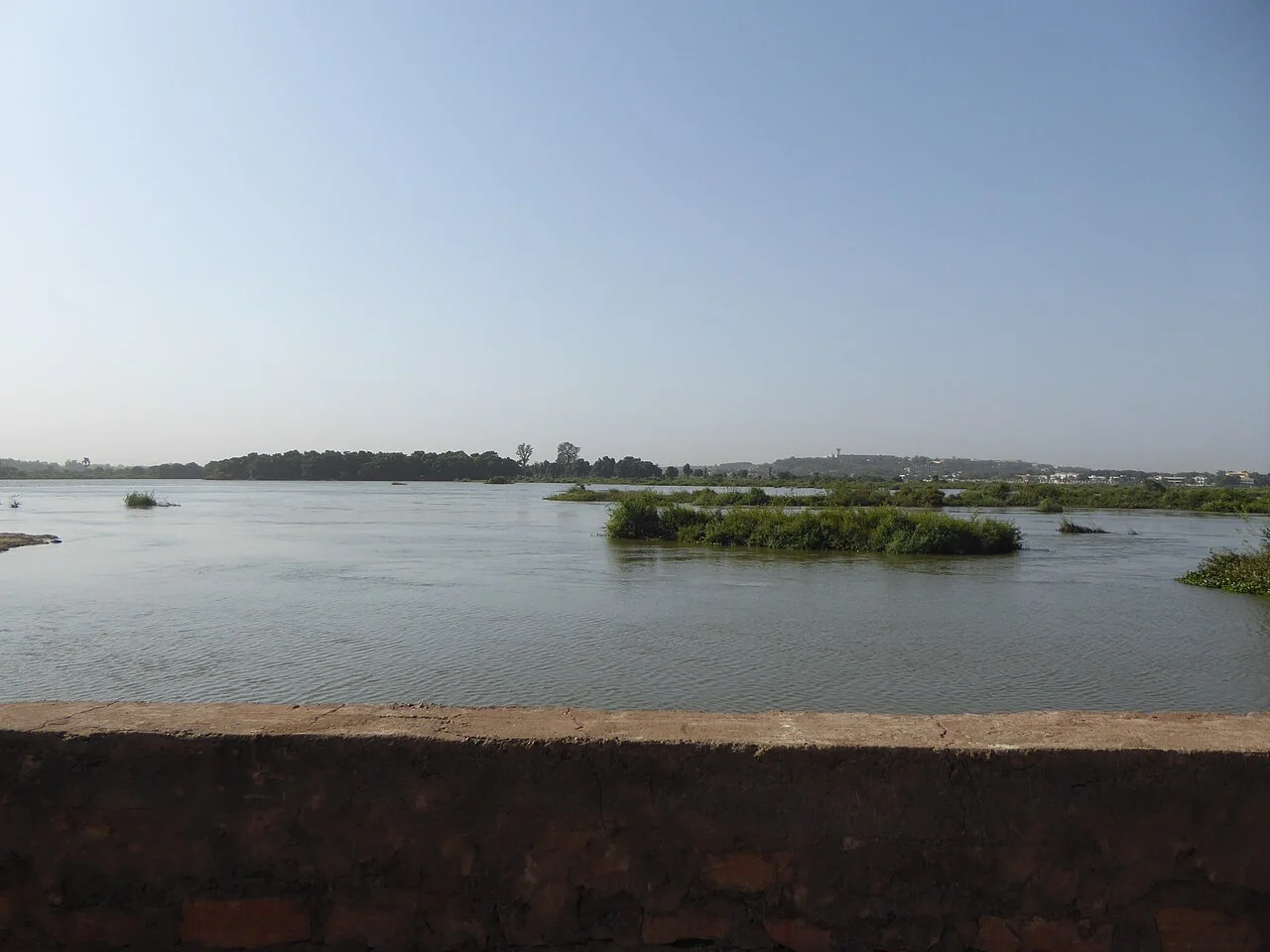
Bamako and the Niger River

The river is a defining feature of Mali’s capital. Our market briefing looks at the commercial setting, regional connections and questions that require further investigation.

02 / Landscape & heritage

The earthen architecture of Djenné

Djenné’s historic townscape is internationally recognised for its earthen architecture. This is a view of Mali’s cultural heritage; the travel page separately explains our current position on visits.

Explore the source
Explore the country briefing
Market at a Glance

A landlocked, francophone, gold-led economy inside the CFA monetary union but outside ECOWAS since 2025.
Mali is a landlocked economy of roughly USD 30 billion with a population of about 25 million in 2025. Gold dominates exports, and cotton and livestock matter for employment and rural income. Bamako is the commercial centre by a wide margin, with Sikasso and Kayes significant in agriculture and mining respectively.

The regional position changed in 2025 and needs stating precisely, because it is widely misreported. Mali withdrew from ECOWAS with effect from 29 January 2025, alongside Burkina Faso and Niger. It is therefore not currently an ECOWAS member. ECOWAS has stated it will keep its doors open and directed that the passports of the three states continue to be recognised and that goods and services continue to be treated under ECOWAS trade policy pending further arrangements.

Mali does remain a member of the West African Monetary Union and continues to use the CFA franc issued by the BCEAO. This is a separate question from ECOWAS membership and was checked independently against both BCEAO and UEMOA, which each list eight member states including Mali. Anyone who assumes the ECOWAS exit also ended CFA membership is wrong, and it is a common error.

Being landlocked is the dominant logistics fact. Every import and export moves by road to or from a maritime port in a neighbouring country, which puts corridor conditions, border procedure and freight cost at the centre of any operating plan rather than at the edge of it.

Security conditions vary significantly by area and are not uniform across the country. Any operating plan needs to be specific about where activity takes place, and needs current advice rather than a general impression.

Key Sectors

Where the Activity Actually Is.

Gold and mining[4]

Why it matters
Gold is the dominant export and the principal source of foreign exchange.
What exists
Established industrial gold production alongside a substantial artisanal sector.
Where opportunity may be
Supply, services and equipment into producing operations.
Limitations
Mining regulation has been under reform. Confirm the current fiscal and licensing regime directly rather than from older material.

Cotton and agriculture[4]

Why it matters
Cotton is a major cash crop and agriculture carries a large share of employment.
What exists
Cotton production concentrated in the south, particularly around Sikasso, with cereals and livestock across the country.
Where opportunity may be
Processing, ginning capacity and agricultural inputs.
Limitations
Rainfall dependence, transport cost to port, and access to working capital.

Livestock[4]

Why it matters
A significant rural economy and a regional trade in animals.
What exists
Pastoral and agropastoral production, traded regionally.
Where opportunity may be
Processing, cold chain and veterinary inputs.
Limitations
Cross-border movement is exposed to corridor and border conditions.

Energy[4]

Why it matters
Power availability constrains industry and processing.
What exists
Generation capacity below demand, with solar potential.
Where opportunity may be
Generation, including solar and distributed supply for industrial users.
Limitations
Offtake, tariff and payment terms need direct confirmation.
Trade

What Moves, and Where.

Regional position

  • UEMOA and the West African Monetary Union (current member)
  • Alliance of Sahel States (AES)
  • African Union
  • Withdrew from ECOWAS with effect from 29 January 2025

Routes to market

Landlocked. Every import and export moves by road to a port in a neighbouring country.

  • Bamako to Dakar (Senegal), historically the principal corridor
  • Bamako to Abidjan (Côte d’Ivoire)
  • Bamako to Conakry (Guinea)
  • Bamako to Lomé (Togo) and Tema (Ghana), used variably

No trade values or partner shares are published for Mali. Figures circulate in secondary sources, but this review could not settle them against a dated official release, and an undated number is worse than none. What was checked, and where it fell short, is set out under Where This Comes From.

Doing Business

The Practical Environment.

  • French is the language of contracts, regulation and institutional dealing.
  • API-Mali is the investment promotion body and the point of contact for business establishment.
  • Mali is not currently an ECOWAS member. Withdrawal took effect on 29 January 2025.
  • Mali remains in the West African Monetary Union and uses the CFA franc issued by the BCEAO. Verified against both BCEAO and UEMOA.
  • Mali is a member of the Alliance of Sahel States, formed with Burkina Faso and Niger.
  • Mining is governed by its own legal and fiscal regime, which has been under reform. Specialist Malian counsel is essential for any mineral activity.

Institutions

  • Agence pour la Promotion des Investissements au Mali (API-Mali)[4]

    Investment promotion and facilitation, and the point of contact for business establishment.

These are the relevant public institutions. Listing them describes the market. It does not indicate any relationship between them and Capital Africa.

Currency

West African CFA franc

XOF

Banque Centrale des États de l’Afrique de l’Ouest (BCEAO)

Mali remains a member of the West African Monetary Union and continues to use the West African CFA franc issued by the BCEAO. Leaving ECOWAS did not change this: the monetary union and the political and trade bloc are separate institutions with separate memberships. Verified against BCEAO and UEMOA, both of which list eight member states including Mali.[2]

No exchange rate is published here. Rates move, and a rate hardcoded into a web page is wrong within days.

Infrastructure and Logistics

How Goods Move.

Ports

    Corridors

    • Bamako to Dakar (Senegal), historically the principal corridor
    • Bamako to Abidjan (Côte d’Ivoire)
    • Bamako to Conakry (Guinea)
    • Bamako to Lomé (Togo) and Tema (Ghana), used variably

    Commercial centres

    Bamako, Sikasso, Kayes

    Areas Worth Understanding

    Where Commercial Interest Tends to Sit.

    These are areas, not projects. Nothing here is a listing, a transaction or something available to participate in.

    • Agricultural processing in the south

      Driver

      Cotton and cereal production concentrated around Sikasso, with limited local processing.

      Still needs investigation

      Feedstock volumes, power at site, corridor cost to port, and current export procedure.

      Who it suits

      Processing operators and investors funding capacity.

    • Corridor logistics and freight

      Driver

      A landlocked economy entirely dependent on road corridors to neighbouring ports, with routing that has shifted since 2025.

      Still needs investigation

      Current corridor volumes and reliability, border procedure, and the practical effect of the ECOWAS transitional arrangements.

      Who it suits

      Freight and logistics operators.

    • Supply and services to mining

      Driver

      Established gold production requiring sustained supply and maintenance.

      Still needs investigation

      Which operations are producing, procurement routes, and the current regulatory position after reform.

      Who it suits

      Industrial suppliers and service businesses.

    Risks and Realities

    What to Plan Around.

    Commercial constraints, stated as implications rather than as commentary. A market can carry real opportunity and real constraint at the same time.

    • Security conditions vary by area

      Conditions are not uniform across the country. Any plan must be specific about location, and must be built on current professional security advice rather than a general national assessment.

    • Landlocked corridor dependency

      All physical trade moves by road through a neighbouring country. Corridor disruption is a direct operational risk, and a single-corridor plan is a fragile one.

    • ECOWAS withdrawal

      Mali is outside ECOWAS since January 2025. Transitional arrangements on trade and movement have been directed by ECOWAS, but the durable position is unsettled. Confirm the customs treatment applying to your goods on your route.

    • Mining regulatory reform

      Fiscal and licensing terms have been under revision. Older published summaries may describe a superseded regime.

    • Concentration in gold

      Export earnings and foreign exchange availability track a single commodity price.

    Compliance considerations

    • Mining title, licensing and export authorisation under the current Malian mining code.
    • Customs and transit procedure across whichever corridor is used, including the current ECOWAS transitional treatment.
    • Responsible sourcing expectations for gold entering international supply chains, including artisanal production.
    • Counterparty, beneficial ownership and sanctions screening.
    • Foreign exchange and transfer procedure within the CFA zone.

    These identify questions to ask. They are not legal conclusions, and current requirements should be confirmed with qualified local counsel.

    Before Entering This Market

    A Working Checklist.

    1. 01Define the commercial objective and the specific locations activity will take place in
    2. 02Obtain current professional security advice for those specific locations
    3. 03Engage francophone legal counsel before committing to documentation
    4. 04Confirm the current customs treatment of your goods on your intended corridor
    5. 05Plan more than one corridor route where the supply chain allows it
    6. 06Confirm the current mining fiscal and licensing regime if minerals are involved
    7. 07Identify and verify potential partners independently
    8. 08Confirm foreign exchange and transfer procedure within the CFA zone
    9. 09Obtain Malian legal and tax advice on current requirements
    Next Step

    Considering Mali?

    This briefing is what the public record establishes. What it cannot tell you is how Mali works for your sector, your structure and your timeline, which is the assessment.

    Book Consultation
    Sources and Further Reading

    Where This Comes From.

    Numbered references in the text point here. Each source is labelled by what it actually is. A central bank, a licensing regulator and a national statistics office are all authoritative and are not the same thing.

    Show all 5 sources

    Government

    1. [1]Burkina Faso, Mali and Niger’s Withdrawal from ECOWAS is now a realityECOWAS · Multilateral · accessed 2026-08-20
    2. [3]Presentation of UEMOAUEMOA · Multilateral · accessed 2026-08-20
    3. [4]API-Mali, Agence pour la Promotion des Investissements au MaliAPI-Mali · Government · accessed 2026-08-20

    Central bank

    1. [2]Presentation of WAMU, West African Monetary UnionBCEAO · Central bank · accessed 2026-08-20

    Economic data

    1. [5]Mali country dataWorld Bank · Multilateral · accessed 2026-08-20

    What we could not settle

    • No API-Mali quantitative claims are published. Its pages carry production rankings, hectare figures and resource estimates without clear reference years or independent support. API-Mali is cited here only to establish that a sector is officially promoted.
    • Trade values and export composition percentages were not established from a dated official source and are not published.
    • Corridor share between Dakar, Abidjan, Conakry and the Togo and Ghana routes was not established from current freight data. The corridors are listed without ranking, because ranking them without evidence would be a guess presented as intelligence.
    • The durable customs and trade treatment following ECOWAS withdrawal is unsettled and should be reconfirmed before each shipment planning cycle. Next review is set earlier than the standard six months for this reason.
    • Mining code reform status was not established from the legislative text and no fiscal terms are published.

    Capital Africa market briefing: Mali. Last reviewed August 2026, next review November 2026. Every figure above carries its reference year and its source.