
Foundation · Programme preview
Doing Business in Africa
Foundation9 hours proposed8 modules
The starting point. Why the continent cannot be read as one market, and how to decide which one you are actually looking at.
Explore the programme ↗
Learn how business works on the ground. Build practical skills in African trade, market entry and verification, one clear decision at a time.
Free starter guides are ready to use. Full programmes are in preparation; dates, tutors and fees will be confirmed before enrolment.

Business, trade, minerals, agriculture and energy
Original explanations, scenarios and worksheets
Self-study, tutoring, groups and team training
The starting point. Why the continent cannot be read as one market, and how to decide which one you are actually looking at.
Explore the programme ↗
The transaction taught properly: who is involved, what is measured, how every document is verified, and exactly where it goes wrong.
Explore the programme ↗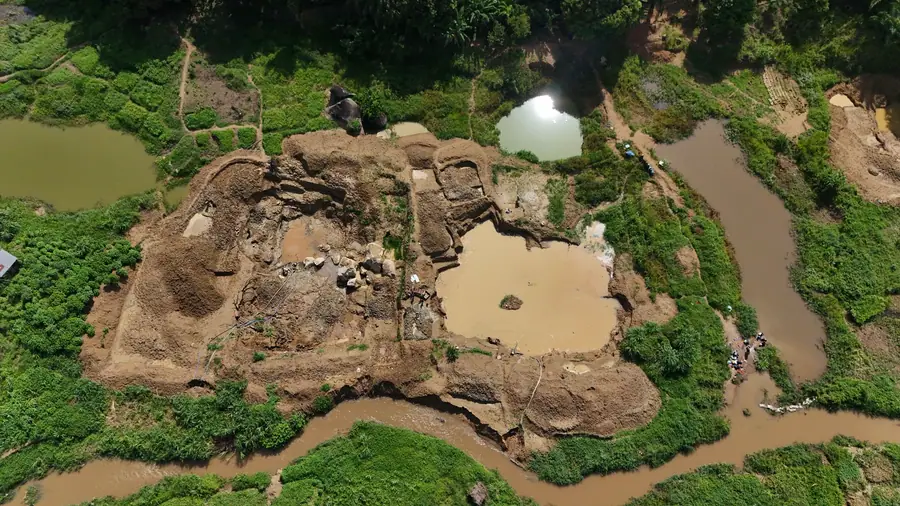
Trust is not a due diligence process. This is the process.
Explore the programme ↗
How a cross-border transaction actually works, document by document, from quotation to delivered goods.
Explore the programme ↗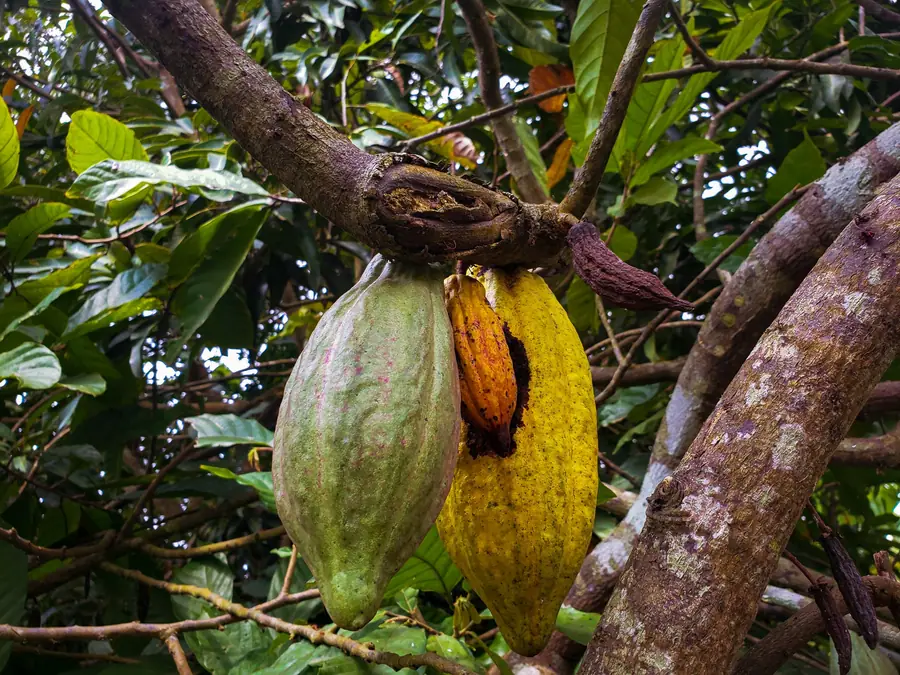
The value chain from producer to buyer, and where value is actually created or lost.
Explore the programme ↗
Ask better questions about solar, power and infrastructure proposals before commissioning specialist work.
Explore the programme ↗
Build a market brief. Trace a shipment. Question a mineral transaction. Each proposed programme connects its modules to an exercise and a document you can explain.
Start on your own, bring a focused question to a tutor, or learn alongside your team. Explore the proposed formats and tell us what would help.
Make time for learning around your work. Start with an original guide, a worked scenario and a practical worksheet.
How it works ↗Work through a learning question with a tutor, at a pace suited to your experience. Tell us the subject, your starting point and what you want to understand.
How it works ↗Explore a topic with other entrepreneurs and professionals. A facilitator guides discussion, challenges assumptions and gives feedback on a shared exercise.
How it works ↗Hear how practitioners approach a defined problem, then ask informed questions. Proposed topics include mineral verification, first exports and entering a new market.
How it works ↗Build a shared understanding across your team, business association or enterprise programme. Training can be shaped around roles, experience and priority markets.
How it works ↗Connect the classroom with a real operating environment. A proposed visit might focus on a farm, warehouse or energy site, subject to suitable hosts and permissions.
How it works ↗
Turn a broad business idea into a focused question, a source list and a practical next step.

Organise claims, sources, checks and unresolved questions into a record someone else can follow.

Map a fictional shipment, compare quotations and identify who owns each handover.
The modules form a proposed learning sequence. Explore each outline before deciding which programme fits your experience.
Start here if this is your first serious look at the region.
For anyone whose business is moving goods across a border.
For those looking specifically at gold, minerals or other commodities.
For anyone who has been offered something and needs to check it.

Capital Africa grew from Ibrahim Jalloh’s firsthand experience in mineral trade and the realities of doing business in African markets. The Academy carries that practical purpose into learning: helping people ask better questions, build useful skills and make more informed decisions.
For entrepreneurs, diaspora business owners and the next generation of professionals, the aim is lasting capability that can support businesses and communities.
Ibrahim Jalloh
Founder & CEO, Capital Africa
Use the published country briefings alongside the Academy’s planning exercises. Bring local questions into your learning, from a first meeting to a purposeful business visit.
 Guinea
Prepare for conversations in Conakry and build a country-specific research brief.
Read the country briefing ↗ Sierra Leone
Explore the Freetown business context and plan what a first market visit should establish.
Read the country briefing ↗The free starter library contains original guides, fictional practice scenarios and downloadable worksheets. The programme catalogue previews the full courses we are developing. Paid course enrolment is not open yet.
Yes, you can send a tutoring or group-learning enquiry. We will confirm the subject, suitable facilitator, timetable and fee before agreeing a session. Sending an enquiry does not reserve a place or commit you to payment.
The hours shown are proposed study estimates: module learning, guided practice and an assignment. They help you compare the planned programmes. Final delivery arrangements will be confirmed before enrolment.
These are practical education programmes, not accredited professional qualifications. No external accreditation is claimed. Any future completion certificate and its requirements will be stated before enrolment.
They are the starting point for country-based examples and learning visits. Current country briefings are available now. Other markets can be discussed according to the topic and the support available.
Before payment, the programme information will state its lessons, learning hours, named facilitator where relevant, materials, feedback, access period, fee and currency, cancellation terms, and any assessment or completion requirements.
We welcome introductions from experienced practitioners, tutors, institutions and potential programme sponsors. Tell us your area of expertise and relevant experience through the Academy enquiry page. Contributors are reviewed before appointment.
The starter materials are in English. Tell us if you need French, another language, captions or a particular access arrangement. Availability will be confirmed for each session; it is not assumed.
Tell us your subject, experience and preferred way to learn. We will help you find the appropriate starting point.