
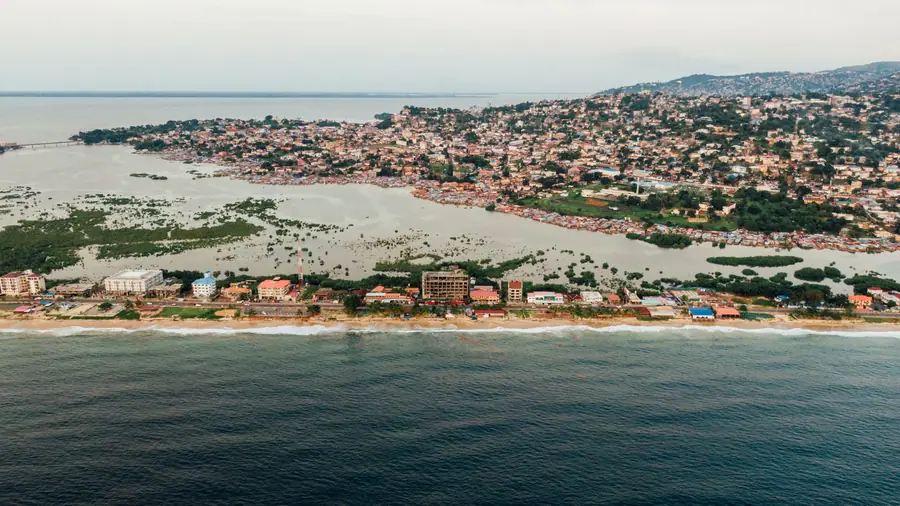
Rich Ground, and a Pipeline of Priced Projects.
Sierra Leone exported US$1.12 billion of minerals in 2024 and has named 17 critical minerals it wants processed at home. Its National Investment Board now publishes priced projects in power, water, roads, farming, fisheries, digital and tourism, most of them looking for equity, lenders or an operator.
- US$1.12bn
Mineral exports, 2024
Ministry of Mines and National Minerals Agency
- 17
Minerals designated critical
Ministry of Mines and National Minerals Agency
- 5.4m ha
Arable land
National Investment Board
- 590 km
National Ring Road programme
Sierra Leone Roads Authority
A Mining Exporter, Building the Rest.
Iron ore, rutile and diamonds pay most of the bills. The government’s plan, through the National Investment Board, is to bring private capital into the power, water, roads and food the rest of the economy needs.
- 8.8m+
- Population National Investment Board
- US$970m
- Exports by the four largest mines, 2024 Ministry of Mines and National Minerals Agency
- 16,000+
- Jobs at those four mines Ministry of Mines and National Minerals Agency
- 3 to 10 yrs
- Tax holidays for priority sectors National Investment Board
- 1 day
- To register a company National Investment Board
- 120,935
- International arrivals, 2024 Ministry of Tourism
Iron ore and rutile at scale
Two iron ore producers and one of the world’s largest natural rutile operations, at a production grade of 95.6%, led 2024 exports. Both iron ore producers plan to expand.
A critical minerals plan
A 2026 to 2031 strategy names 17 critical minerals, expects lithium production from 2027 and wants three to five processing plants by 2031.
Rivers and sun for power
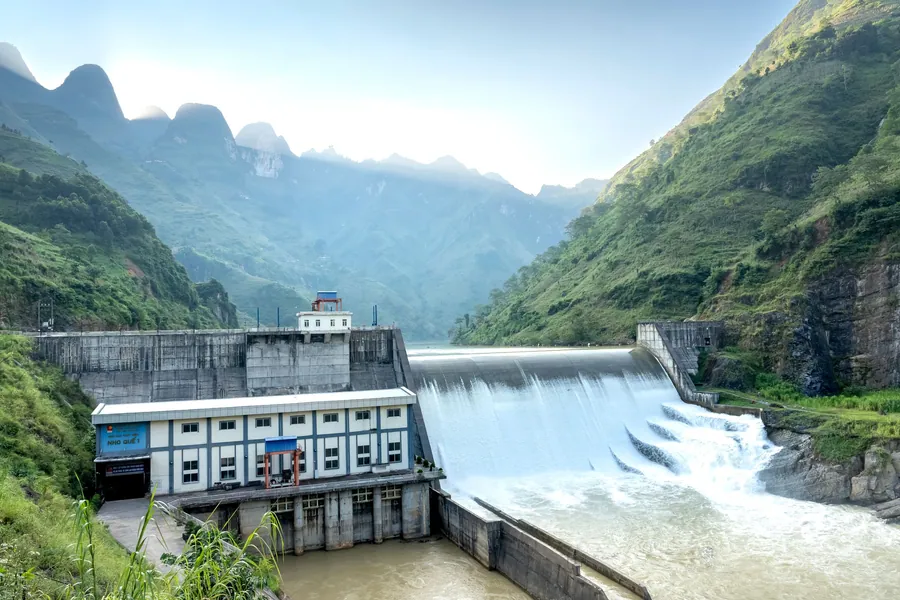
Hydro sites on the Seli, Sewa and Rokel rivers, solar sites in the north and east, and a regional line linking Côte d’Ivoire, Liberia and Guinea since 2020.
Land and food demand
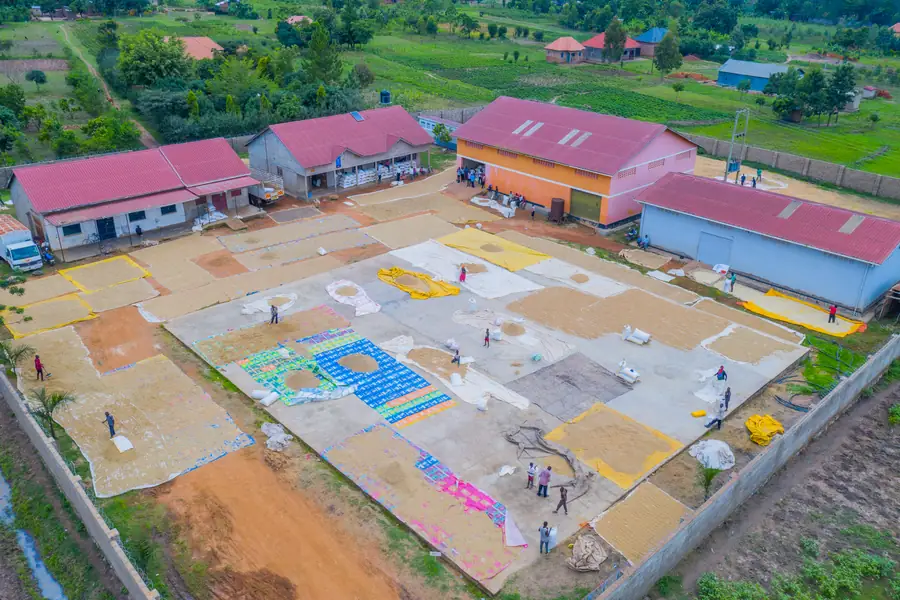
5.4 million hectares of arable land, and a staple, rice, still partly imported. Palm oil is the second-largest farm export.
One board for investors
The National Investment Board, set up by Act in 2022 and chaired by the President, now holds investment promotion, PPPs and company registration in one place.
Market access
Duty and quota free entry to the EU under Everything But Arms, ECOWAS membership and the African Continental Free Trade Area.
Projects Looking for Partners.
Published by the National Investment Board, the ministries and the utilities in 2025 and 2026, each with a promoter and, in most cases, a price. Stages range from concept to financial close, and every brief says the figures still need checking; we do that with you.
- Open to investors A project its promoter presents as seeking investors or partners.
- Programme A national programme with packages still to define and finance.
51 opportunities
 MiningOpen to investors
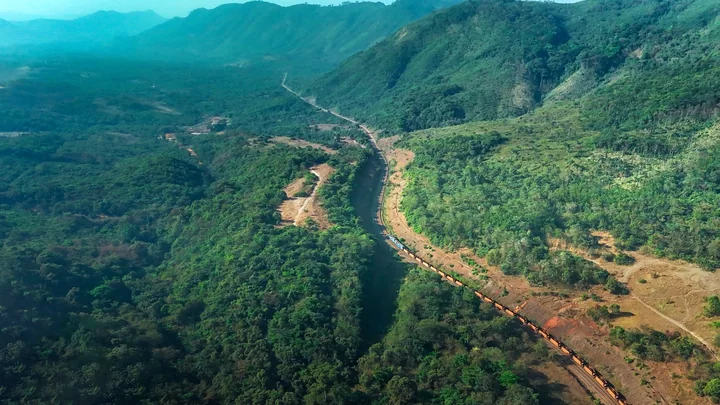
Kasafoni iron ore, Tonkolili North
Sula Mountains, about 10 km east of Bumbuna, Tonkolili District
A phased direct-shipping hematite project 7 to 8 km from the existing Tonkolili railhead, with a much larger magnetite system behind it.
- Investment
- US$137.6m to US$186.7m to build; US$9m to US$14m to prepare
- Stage
- Historical resource; pre-feasibility; title and rail access not yet secured
 MiningOpen to investors
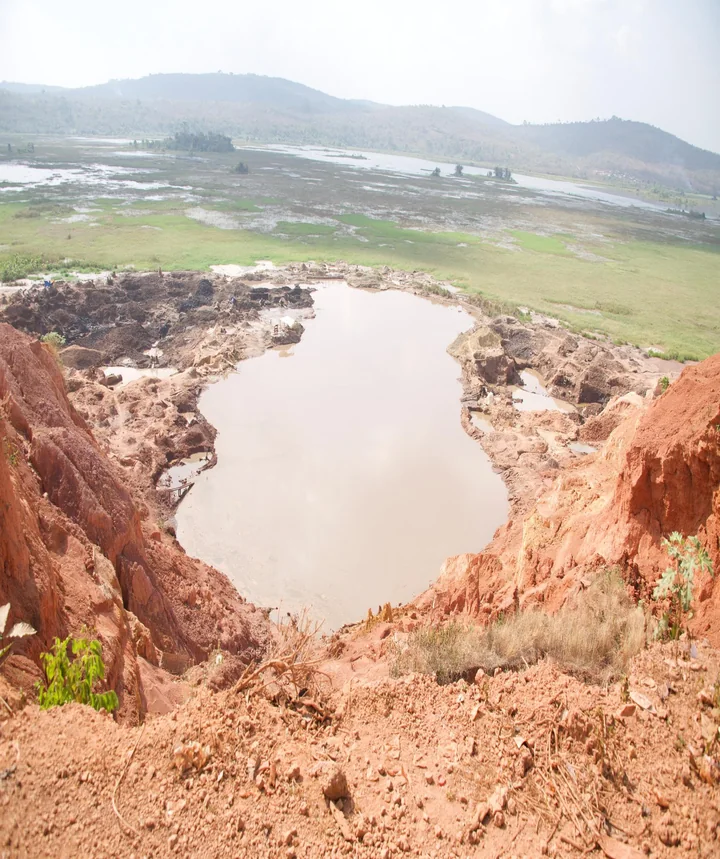
National gold traceability platform
Nationwide
A digital service recording gold from a verified origin through dealer transfers to export, owned by the National Minerals Agency and run by a private operator.
- Investment
- US$1.95m peak funding
- Stage
- Business case; a six-month bankability study is proposed
 MiningProgramme
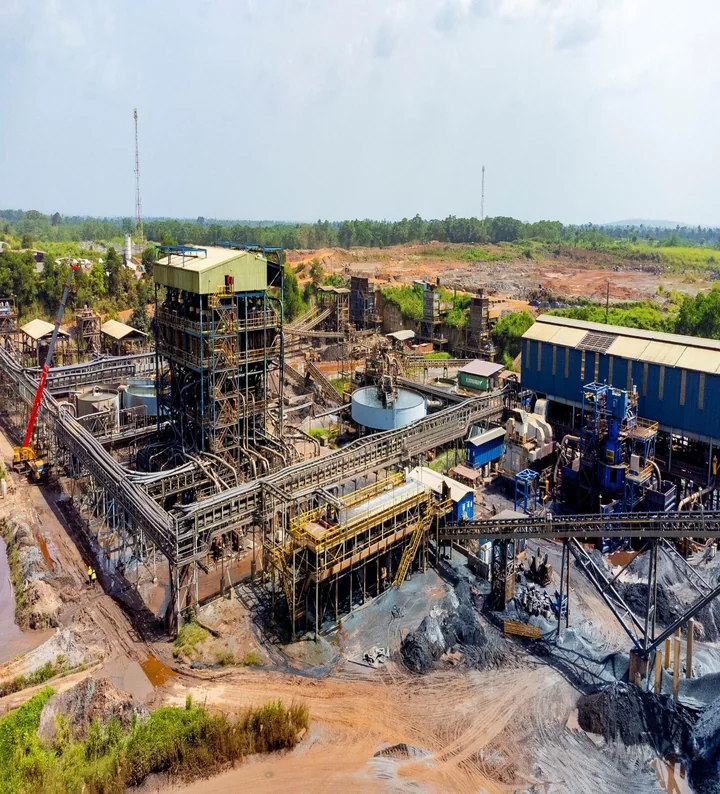
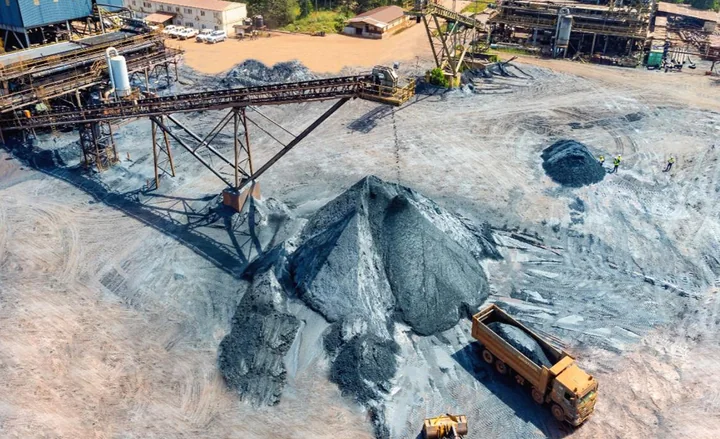
Critical minerals processing
A planned critical minerals economic zone and port-side industrial sites
The national strategy calls for lithium hydroxide and carbonate, rare earth separation, mineral sands separation and alumina refining in the country, with three to five plants by 2031.
- Investment
- US$2.5bn investment target for exploration and mining by 2031
- Stage
- National strategy, 2026 to 2031
 IndustryOpen to investors
North West and South West resource corridor zones
North West: Port Pepel and the iron ore belt. South West: rutile, bauxite and Yawri Bay
Two potential special economic zones linking mines to processing, bulk logistics and shared power and water.
- Investment
- To be set after feasibility
- Stage
- Concept; market interest invited
 IndustryOpen to investors
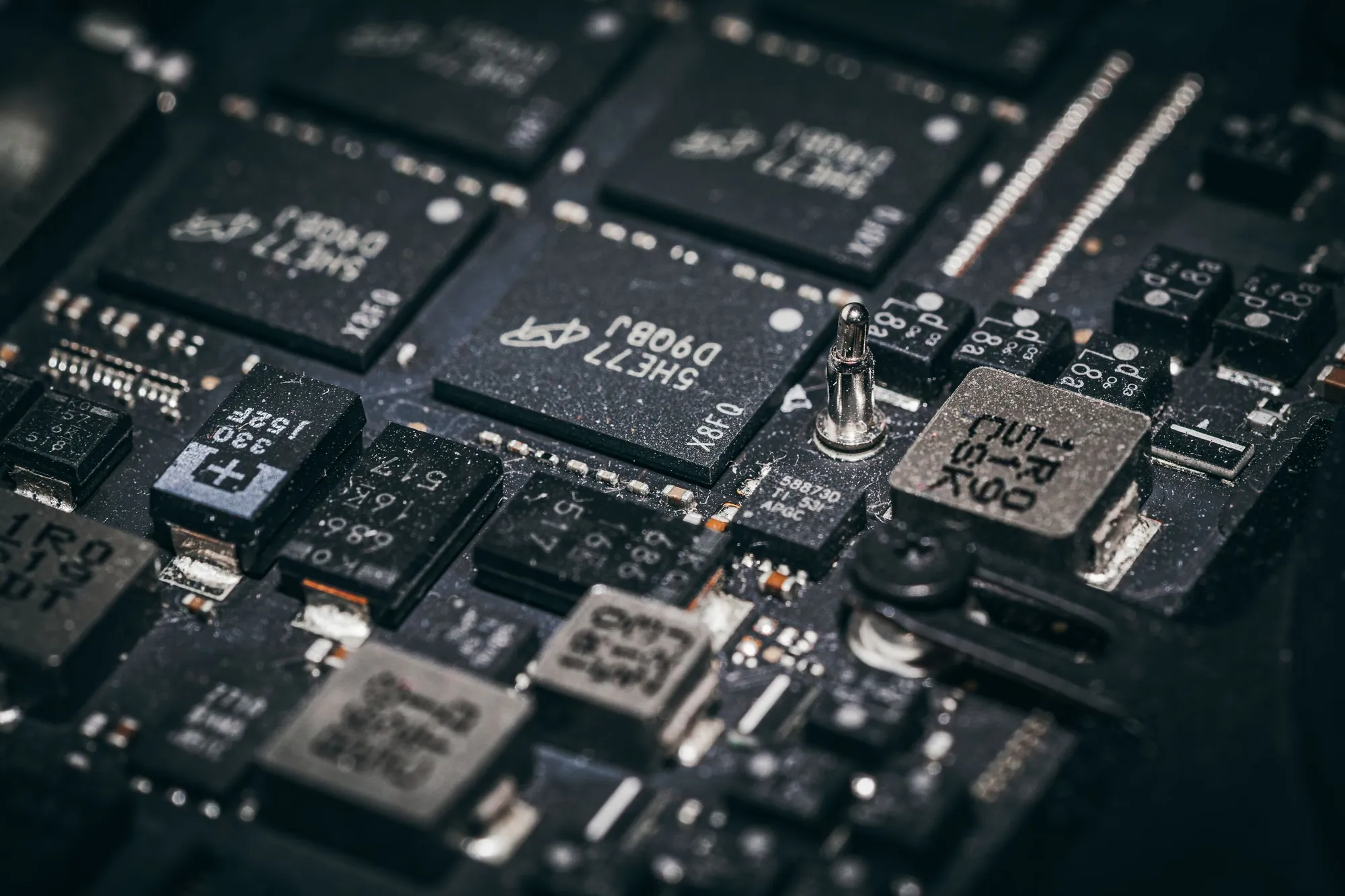
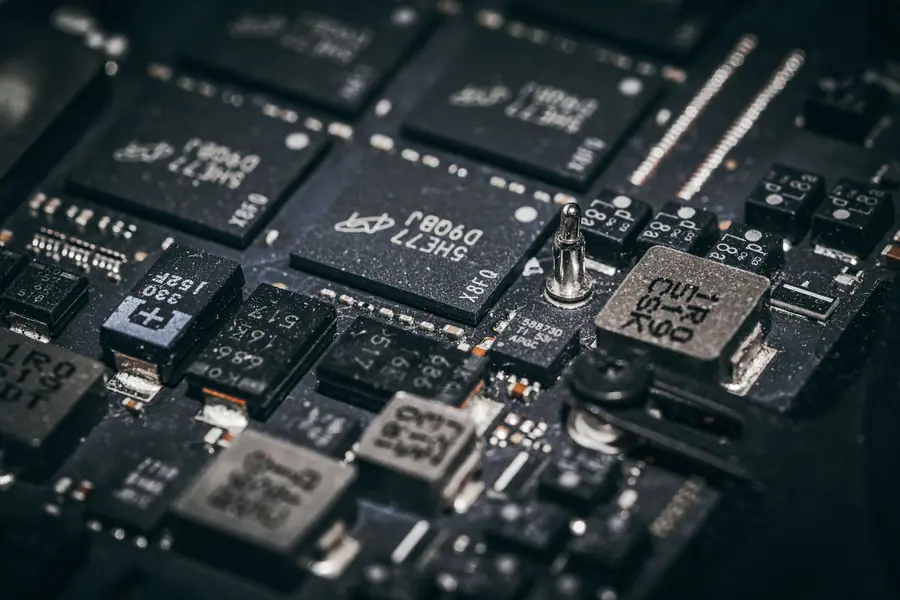
Smartphone assembly near Freetown
Leased premises near Freetown
Assembly and testing of imported kits into entry-level 4G phones, sold through a mobile operator with customer financing.
- Investment
- US$3.25m initial; US$6.0m peak funding
- Stage
- Proposal for partner engagement and feasibility
 EnergyOpen to investors
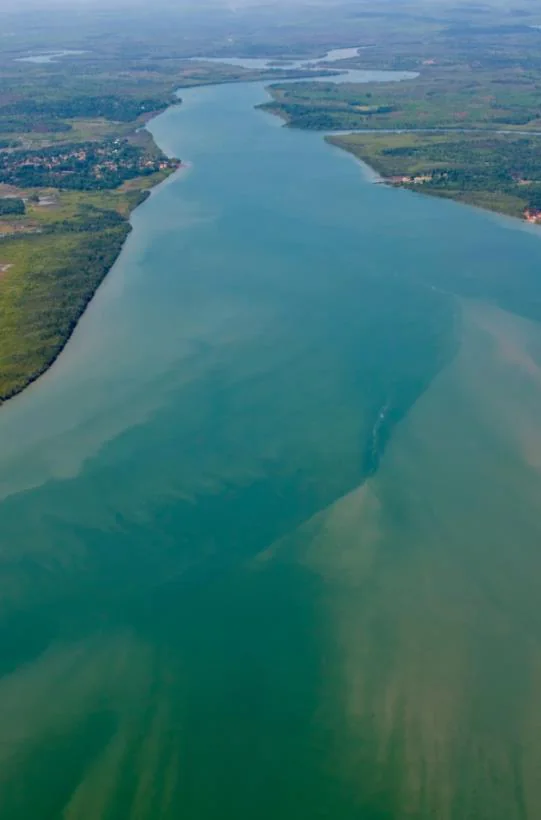
Bumbuna I: privatisation and 60 MW expansion
Bumbuna, Tonkolili District, on the Seli river
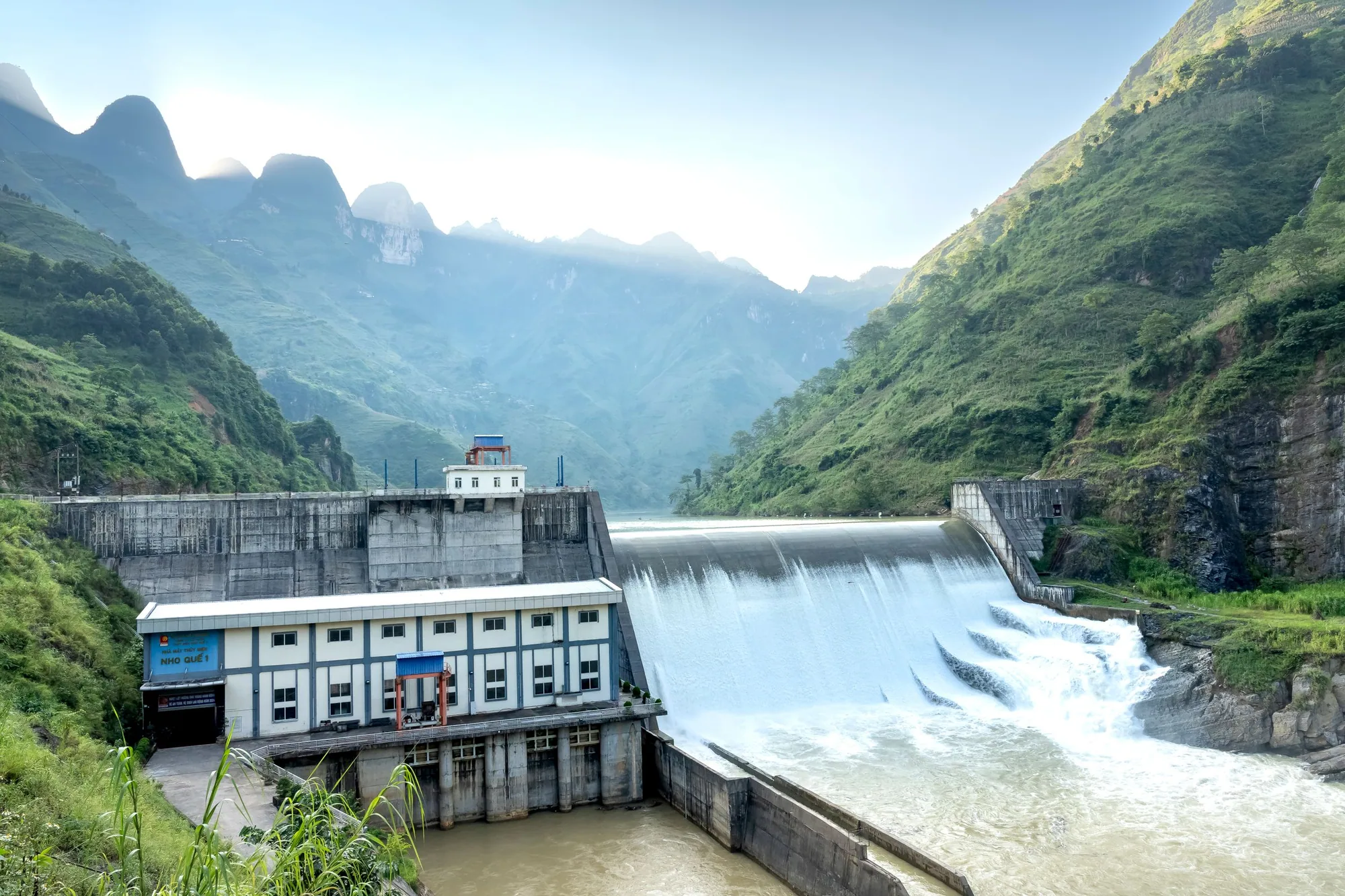
Purchase of the existing 50 MW run-of-river plant together with a 60 MW expansion the station was designed to take from the start.
- Investment
- US$60m to US$67m for the expansion
- Stage
- Feasibility study completed in 2023
 EnergyOpen to investors
Yiben 55 MW storage hydropower
Upper Seli river, northern Sierra Leone
A greenfield embankment dam and 55 MW powerhouse whose seasonal reservoir can keep power flowing through the dry season.
- Investment
- US$101m indicative, 30% equity and 70% debt
- Stage
- Earlier feasibility and environmental studies exist; the redesign needs updated studies
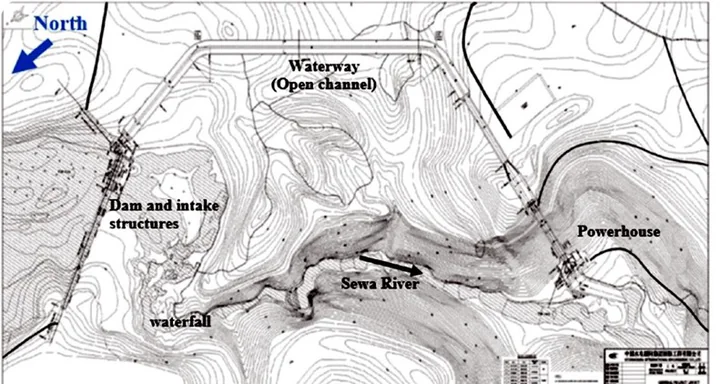 EnergyOpen to investors
Bekongor III hydropower, 150 MW
Sewa river, Kenema District
A run-of-river scheme on the site that earlier master planning ranked best on the Sewa river.
- Investment
- US$535m indicative
- Stage
- Sponsor reports a signed contract and is moving to financial close
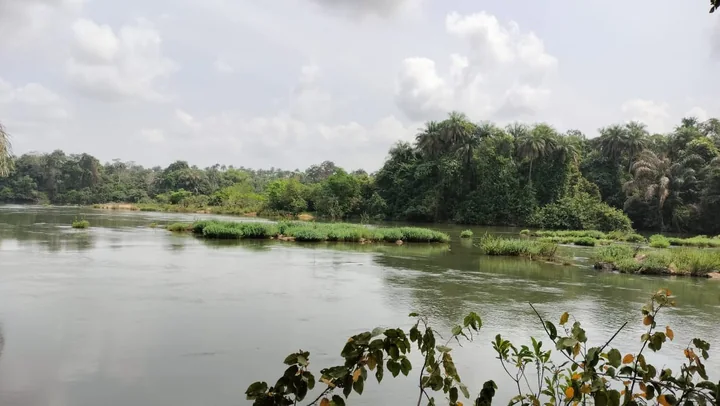 EnergyOpen to investors
Lankono hydropower, 30 to 45 MW
Rokel river, Marampa Chiefdom, Port Loko District
A run-of-river plant built in phases: 30 MW first, with a third 15 MW unit once water availability is confirmed.
- Investment
- US$102m
- Stage
- Feasibility report and financial model prepared
 EnergyOpen to investors
100 MW solar with battery storage, Kenema
Giema and Forya, Dama Chiefdom, Kenema District
A solar park with battery storage serving the southern and eastern grid.
- Investment
- US$132.6m, 70% debt and 30% equity
- Stage
- Detailed feasibility done; PPA and grid connection not yet closed
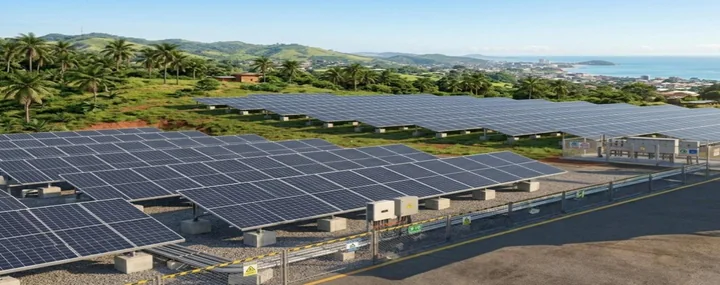 EnergyOpen to investors
20 MW solar and 10 MW battery pilot
Near a substation on the regional line; Bumbuna and Kamakwie preferred
The first site of a 12-site programme to lift supply in the dry season, when run-of-river hydro is at its lowest.
- Investment
- US$42m
- Stage
- Concept and pilot site selection
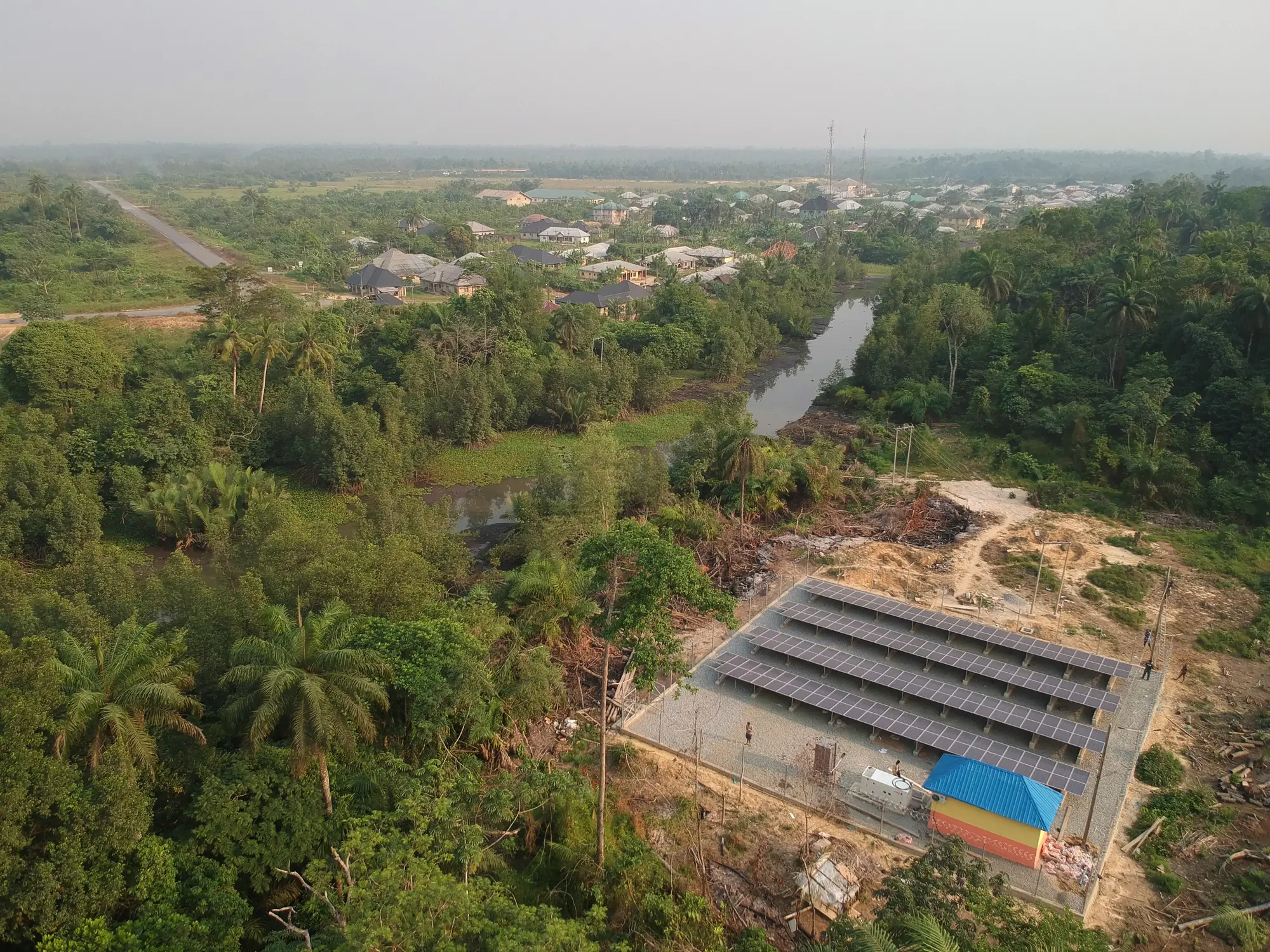 EnergyOpen to investors
100 rural mini-grid concessions
Nationwide, outside the Western Area
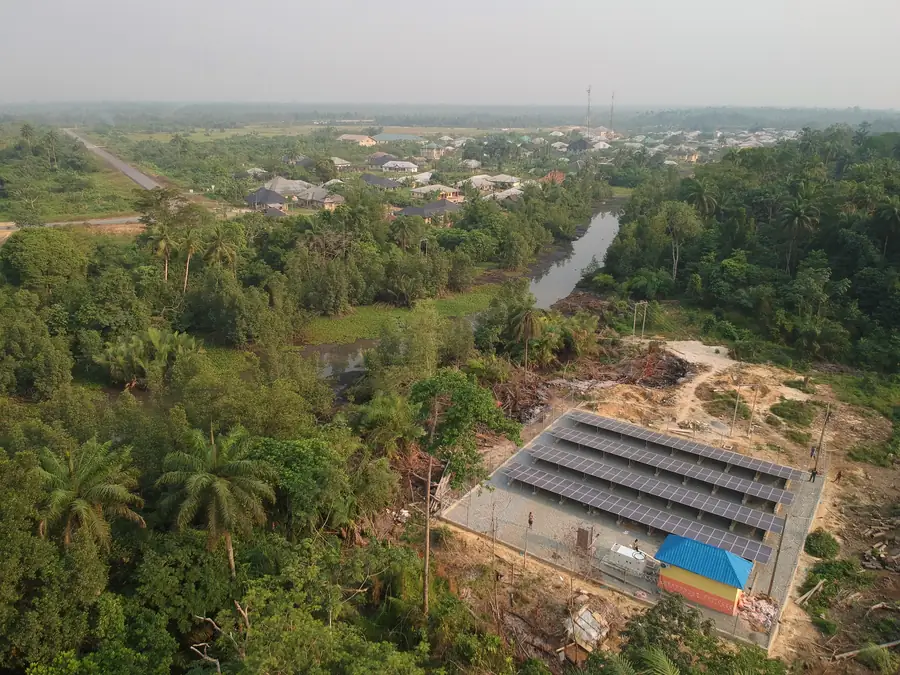
Up to 100 solar mini-grid concessions offered by auction, bringing power to 30,000 new connections.
- Investment
- US$25m, about US$250,000 a site
- Stage
- Programme design; mini-grid rules under revision
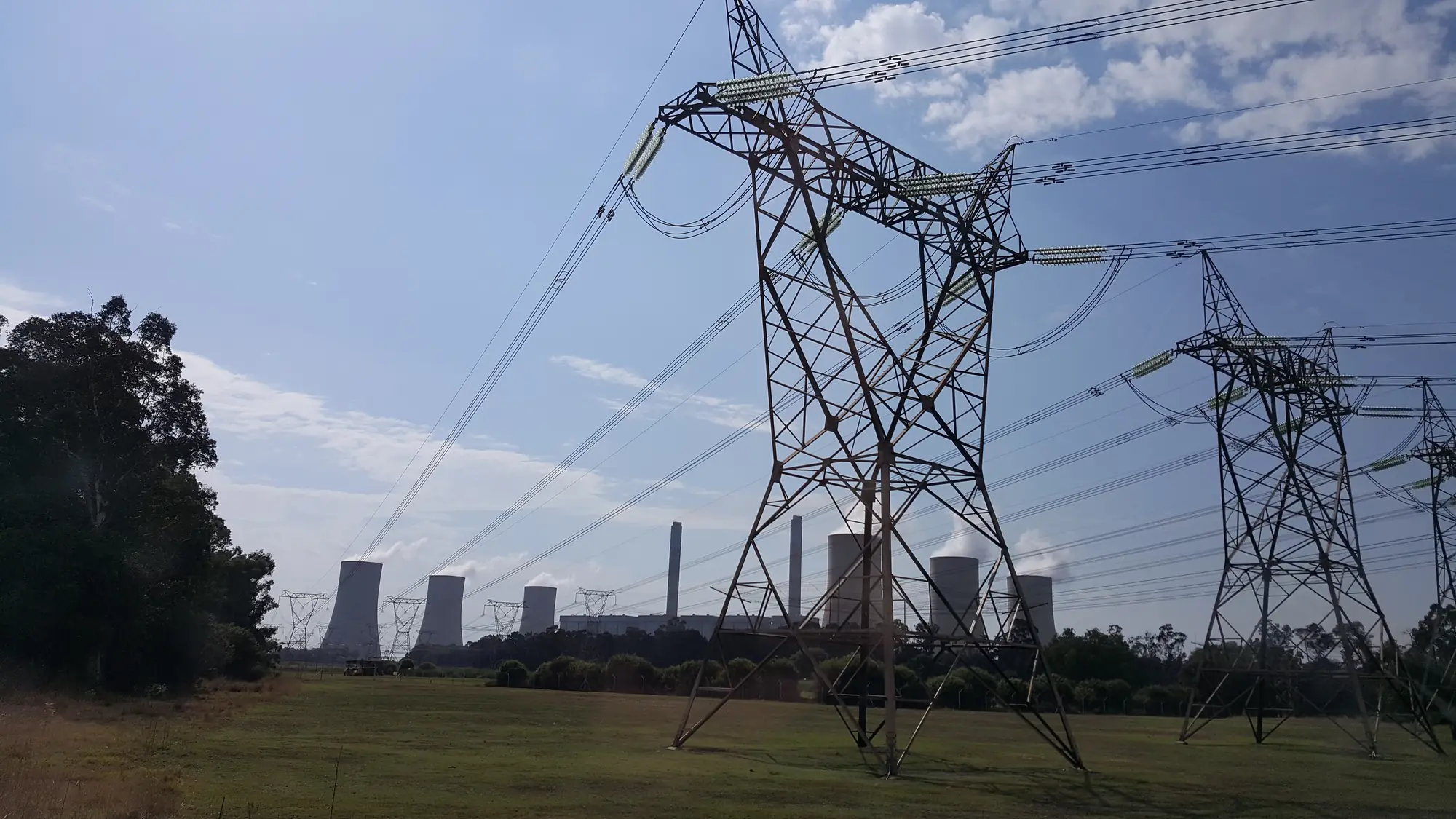 EnergyProgramme
Ministry of Energy priority pipeline
Nationwide
Fourteen priority projects: 350 MW of solar at Lungi, a gas-to-power baseload plant, hydro at Moyamba Singimi, Kailahun, Wanje and the Mange river, a 66 kV rural network, and power for 1,000 schools and 400 clinics.
- Stage
- Most need feasibility and design; Moyamba Singimi (16 MW) feasibility is complete
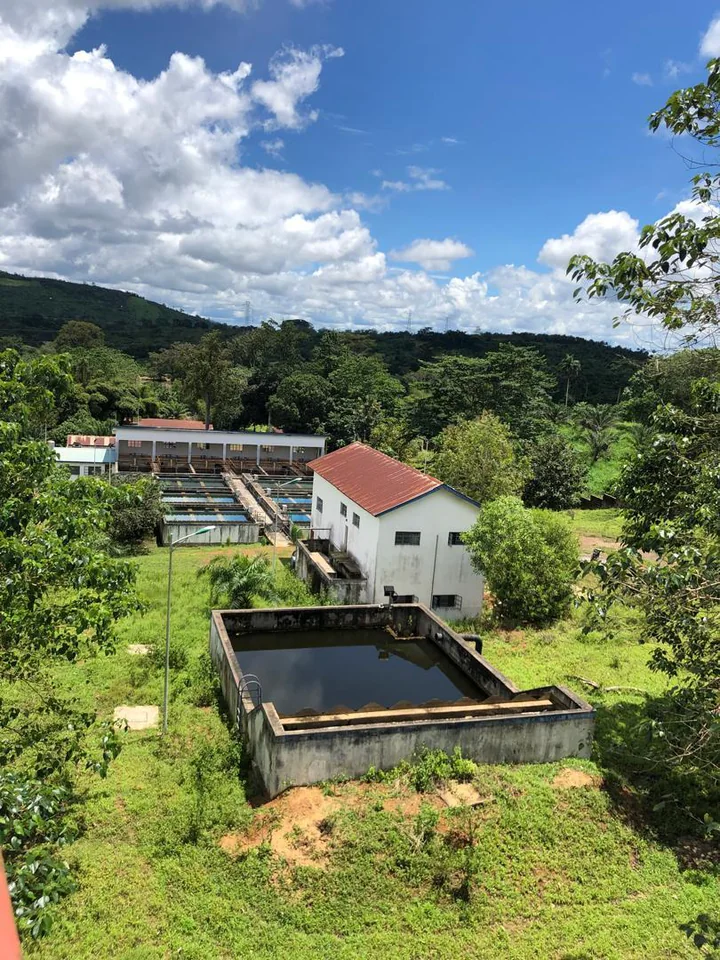 EnergyOpen to investors
Solar power for water treatment in Bo, Kenema and Makeni
Bo, Kenema and Makeni
Three 2 MW solar farms to power the water treatment plants of three provincial cities, later tied to the grid.
- Investment
- US$15m
- Stage
- Initiation
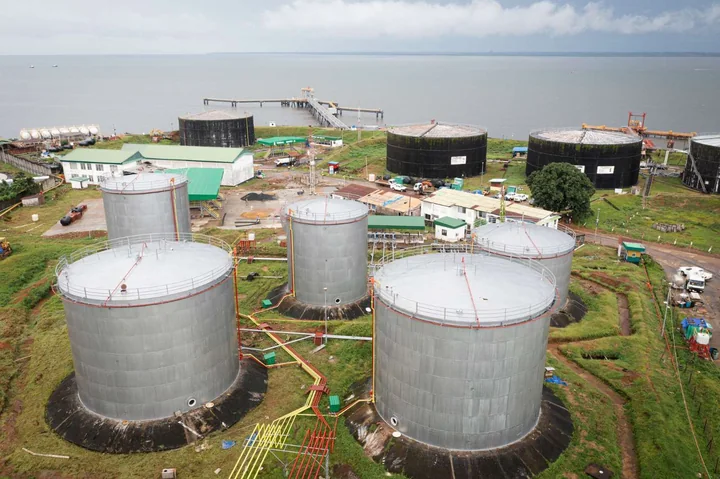 EnergyOpen to investors
Strategic petroleum reserve
Near ports and distribution hubs
A government-controlled fuel reserve, with new bonded storage and monitoring, for a country that imports all its fuel.
- Investment
- US$80m+, of which US$30m is storage
- Stage
- Pre-feasibility
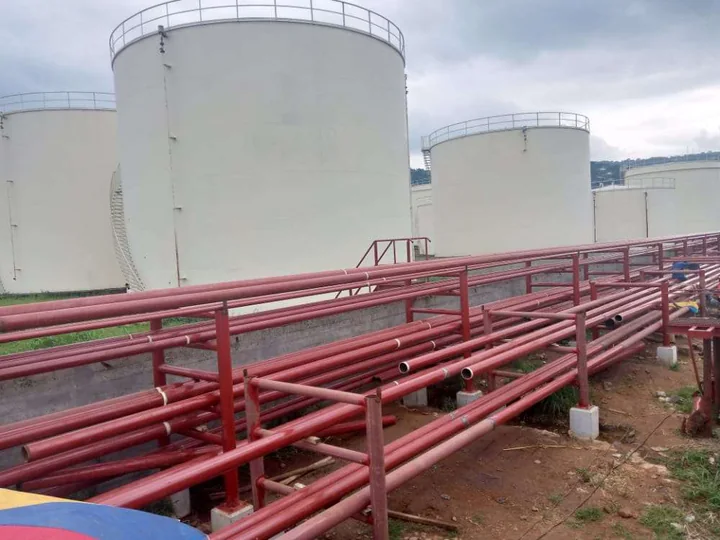 EnergyOpen to investors
Regional fuel tank farms
Freetown, the south (Nitti or Sulima), Kono and Port Loko (Tagrin and Pepel)
A network of regional storage terminals to secure fuel supply outside the capital.
- Investment
- US$35m+ for 100,000 t
- Stage
- Pre-feasibility
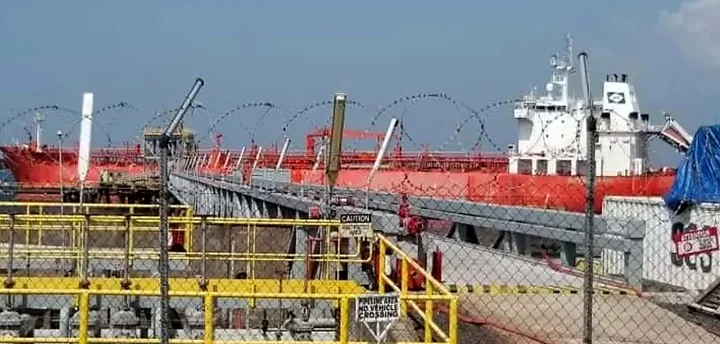 EnergyOpen to investors
Freetown fuel terminal expansion
Kissy, Freetown
An operating coastal terminal with its own jetty, to be expanded into a multi-product hub with LPG, jet fuel and a retail network.
- Investment
- US$65m development finance
- Stage
- Operating; expansion at pre-FEED
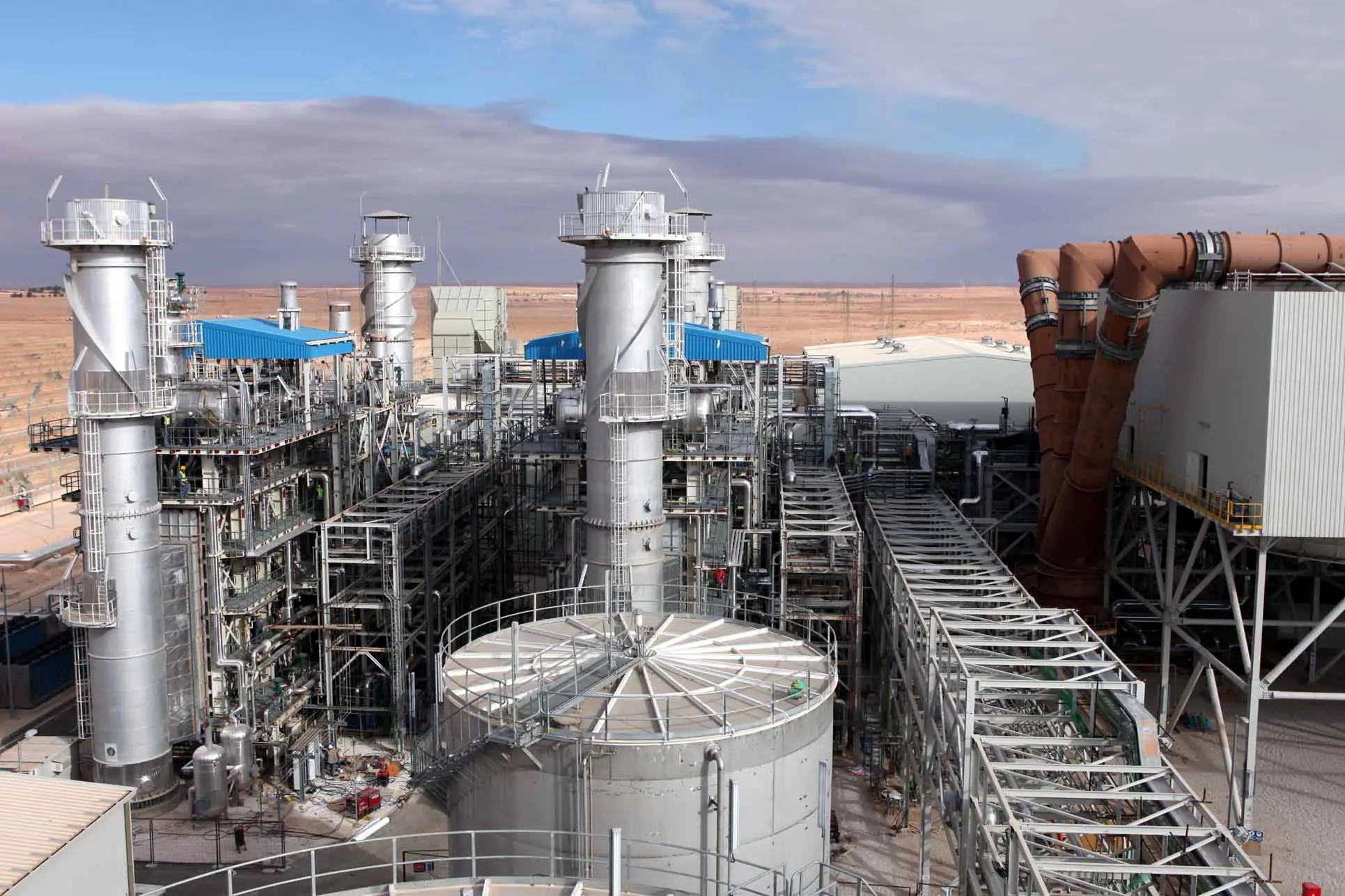 EnergyOpen to investors
LNG and process steam industrial platform
Sierra Leone, with Liberia and Guinea in scope
Eight operator-led businesses using process steam now and LNG from 2029: brewing, palm oil refining, truck conversion, LNG haulage, cold storage and industrial gases.
- Investment
- Not yet stated; early funding is for feasibility
- Stage
- Concept and pre-feasibility
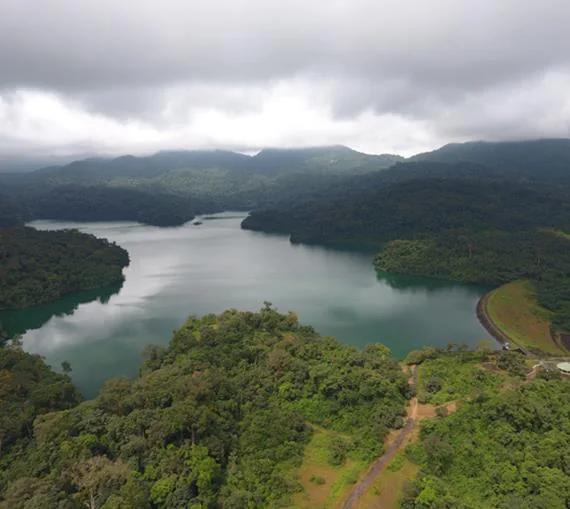 WaterOpen to investors
Mountain Communities bulk water
Hill districts above Freetown, from Regent to Hill Station
Two dams and a treatment plant supplying Freetown’s hill districts by gravity: the city water company’s first priority.
- Investment
- US$95m
- Stage
- Master plan feasibility and concept design done
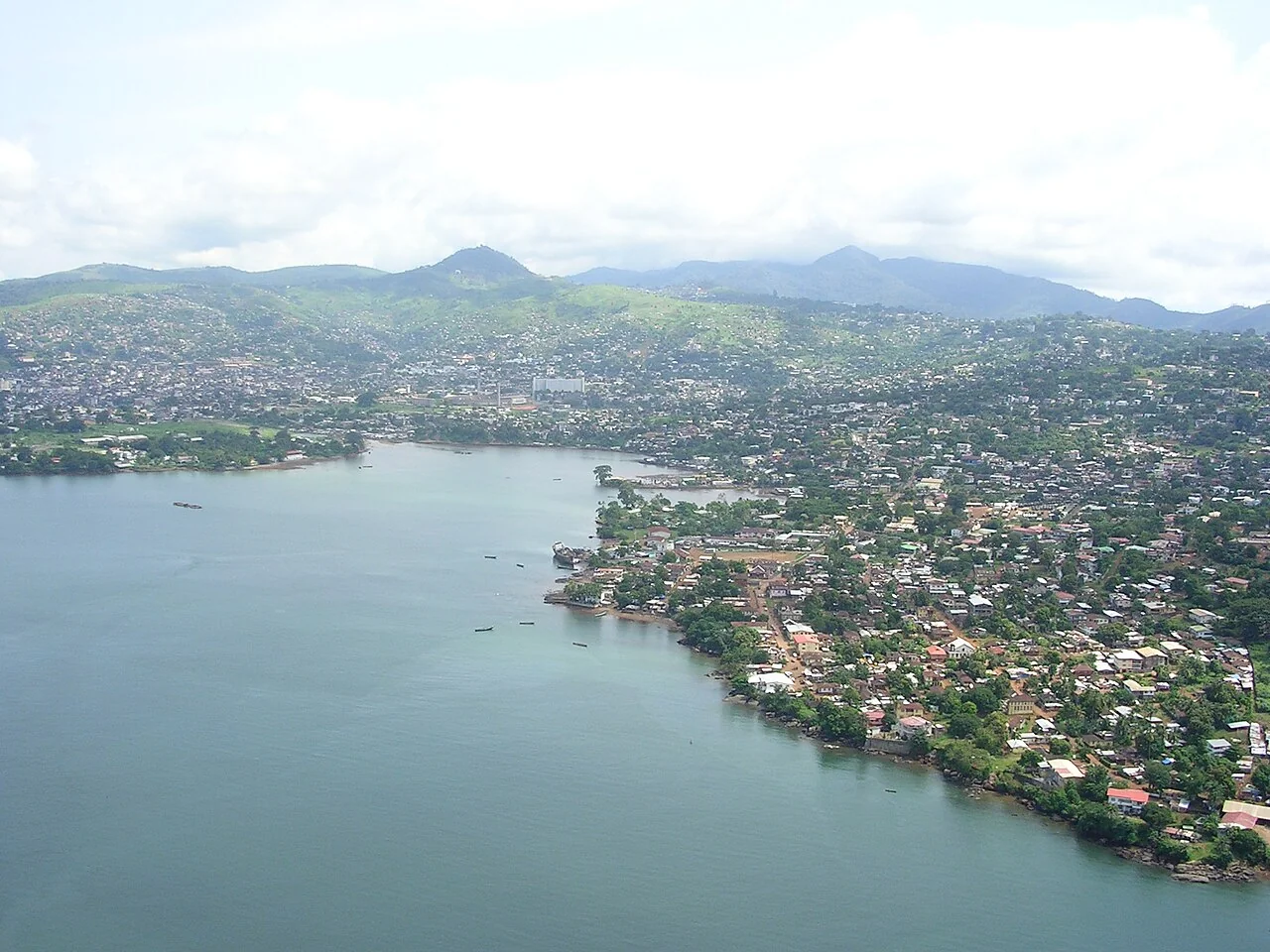 WaterOpen to investors
Western Urban bulk water, Hamilton dam
Hamilton to Lumley, Western Area
A new dam, treatment plant and transmission main for the western peninsula of Freetown.
- Investment
- US$182.5m
- Stage
- Pre-feasibility
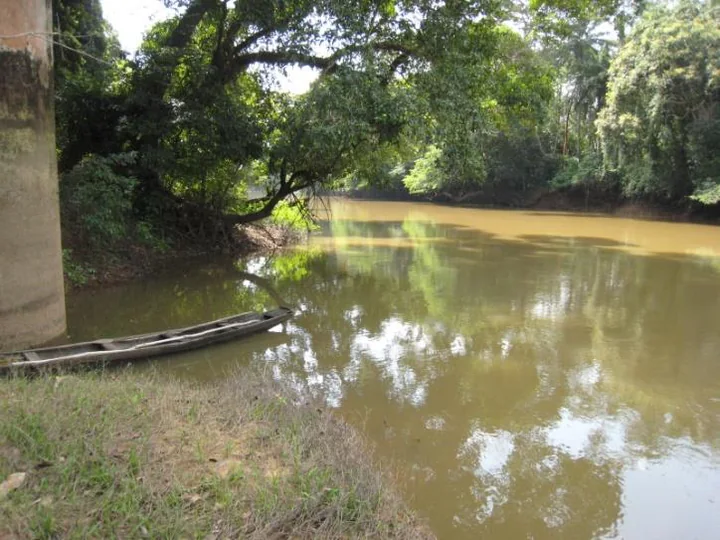 WaterOpen to investors
Water for Port Loko, Lunsar, Mile 91 and Yele
North and North West
Piped water and sanitation, mostly solar pumped, for four towns without safe supply for decades.
- Investment
- US$76m, with US$2m for feasibility
- Stage
- Pre-feasibility
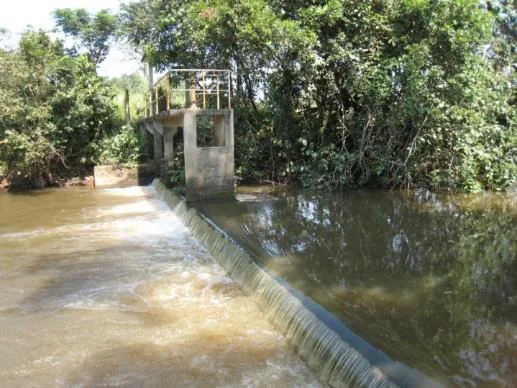 WaterOpen to investors
Water for Tongo, Koindu and Buedu
Eastern Province
Piped water and sanitation, with solar pumping, for three eastern towns.
- Investment
- US$120m, with US$3.5m for feasibility
- Stage
- Pre-feasibility
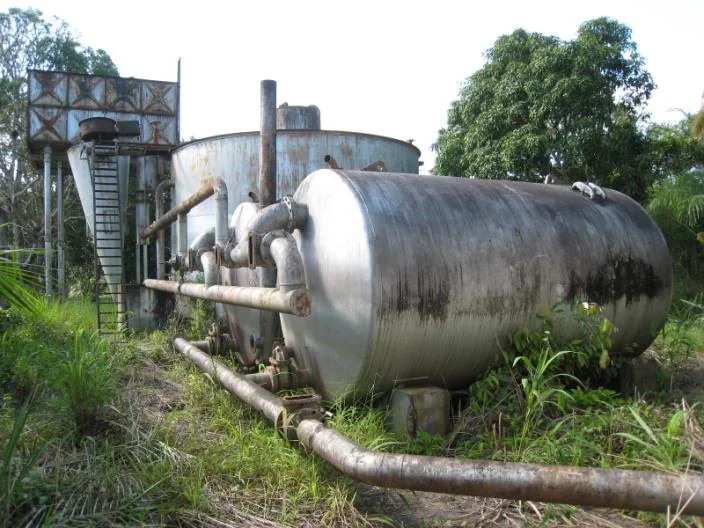 WaterProgramme
Smart prepaid water metering
Bo, Kenema and Makeni
Prepaid meters for 35,000 customers, moving from flat rates to billing by use. Collection today is about 10% of what is billed.
- Investment
- US$14m
- Stage
- Seeking grant funding
 WaterProgramme
Freetown sanitation, first phase
Freetown and the Western Area
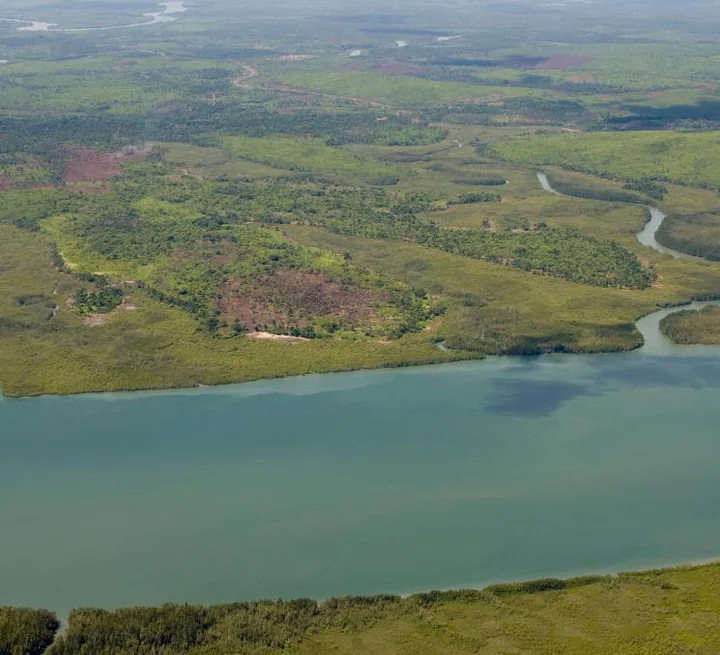
Household and school toilets, sludge emptying, three treatment plants and sewer repairs: the first phase of a 15-year, US$432m plan.
- Investment
- US$191.2m to 2030
- Stage
- Pre-feasibility
 InfrastructureOpen to investors
Freetown to Lungi bridge
Across the estuary between Freetown and Lungi
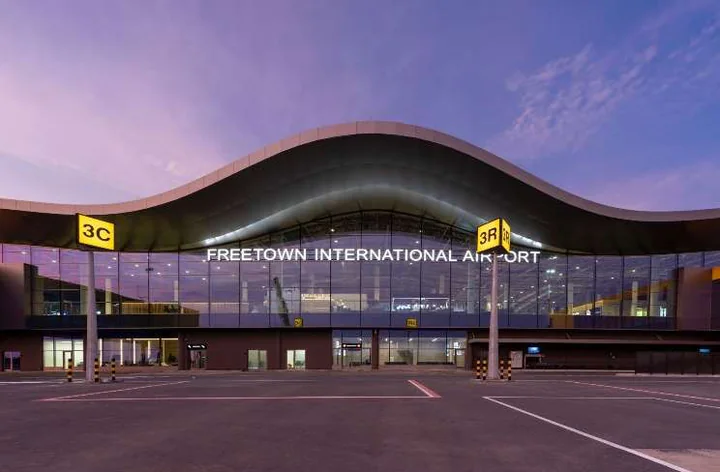
A fixed crossing of about 7 km between the capital and Lungi, home of the international airport.
- Investment
- US$600m to US$700m
- Stage
- Memorandum of understanding signed June 2025; feasibility funding identified
 InfrastructureProgramme
National Ring Road
Six corridors linking Masiaka, Bo, Kenema, Lunsar, Makeni, Kabala, Matotoka and Yele
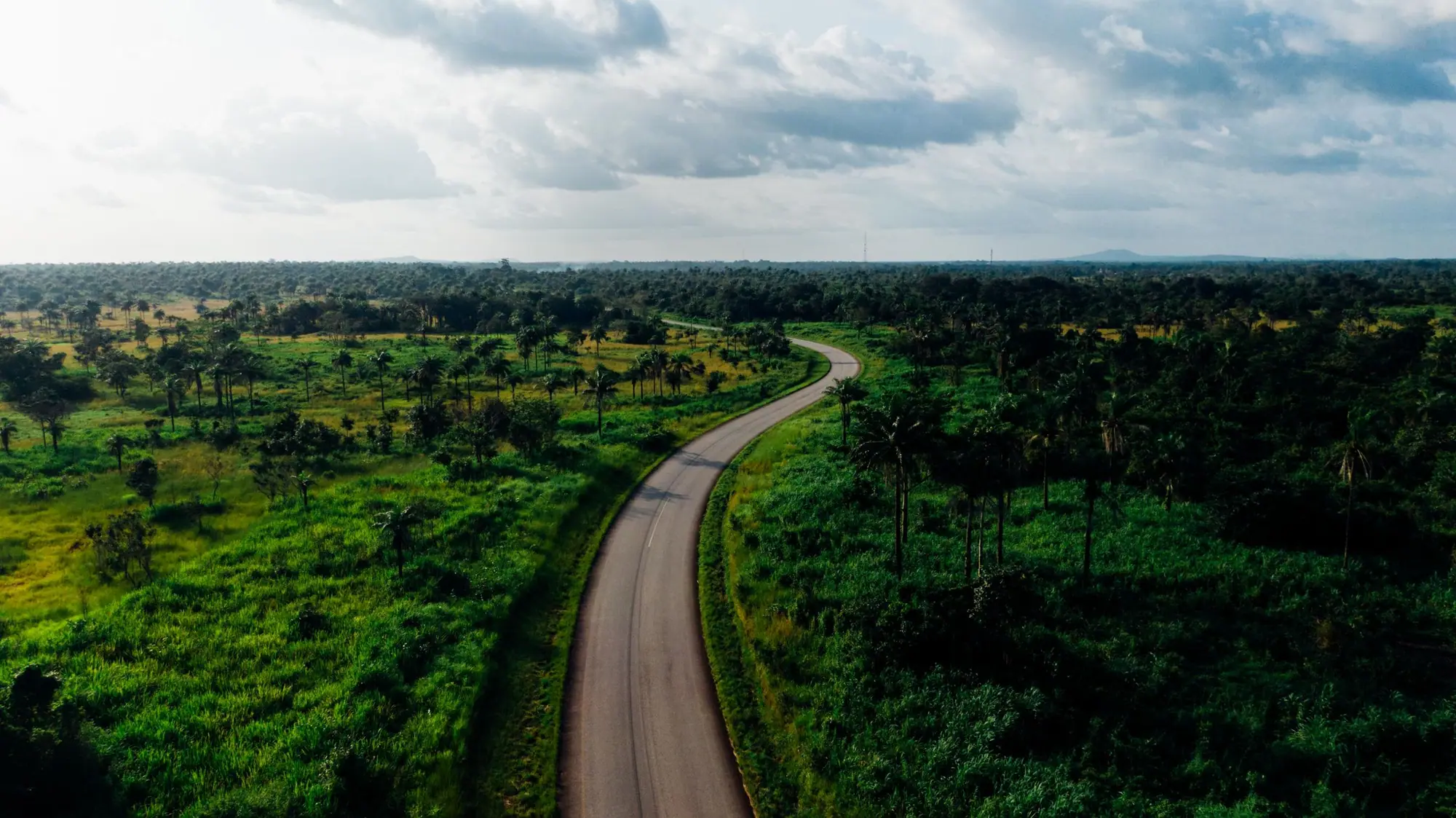
Sierra Leone’s first national road loop: 338 km of dual carriageway and 252 km of upgrades, in six packages.
- Investment
- About US$1.0bn
- Stage
- Feasibility and designs being advanced with African Development Bank support
 InfrastructureOpen to investors
Freetown Shipyard expansion
Freetown
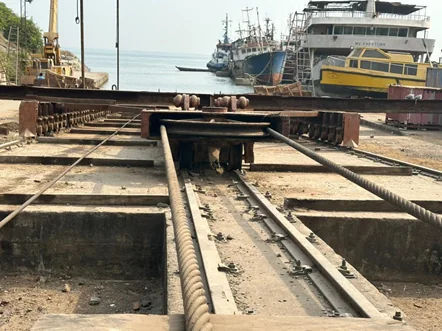
Growing a working 60 m shipyard into a 150 m marine industrial yard for docking, repair, fabrication and boat building.
- Investment
- US$42m base estimate
- Stage
- Feasibility study done; engineering and concession to follow
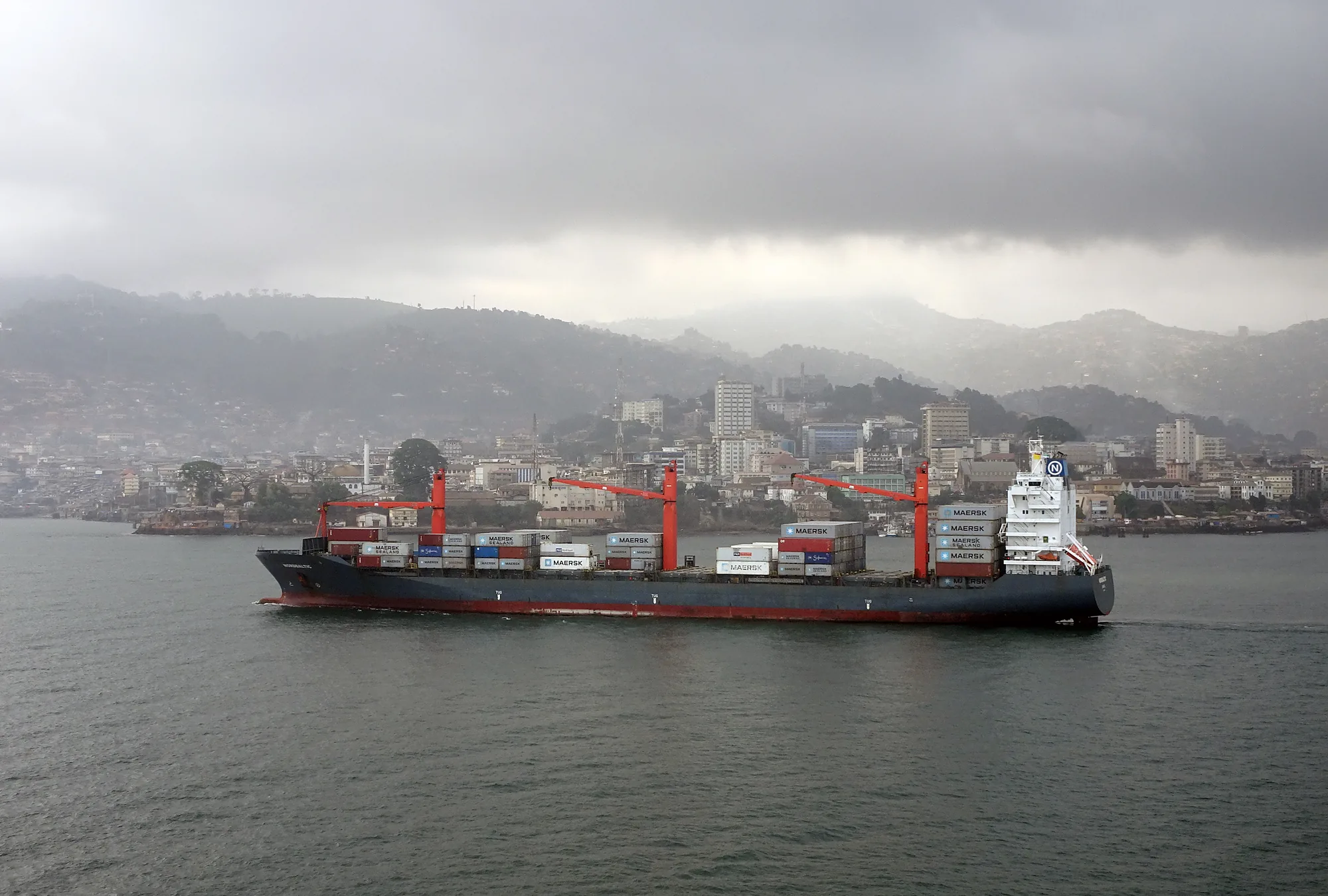 InfrastructureOpen to investors
Regional coastal shipping
Abidjan, Monrovia, Freetown and Conakry; later Tema and Dakar
A private operator running passenger, vehicle and cargo ferries along the coast, starting with two or three vessels.
- Investment
- US$35.4m funding envelope
- Stage
- Business plan and feasibility study, January 2026
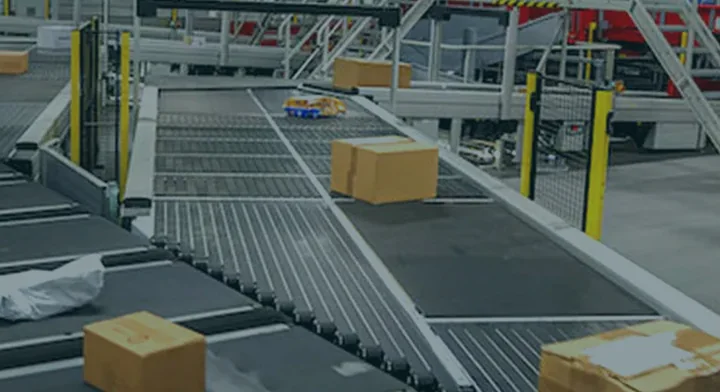 InfrastructureOpen to investors
Parcels and fulfilment with SALPOST
Freetown first, then Bo, Kenema and Makeni
Tracked parcels, merchant fulfilment, storage and service counters, run in partnership with the national postal operator.
- Investment
- US$1.85m
- Stage
- Preparation, then a paid Freetown pilot
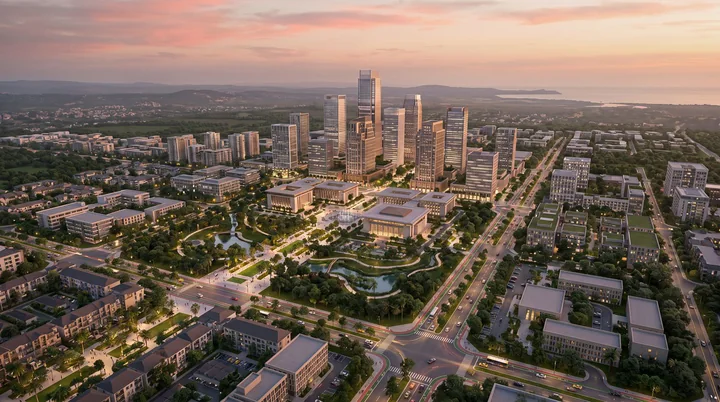 Real EstateOpen to investors
Greater Freetown and Lungi growth corridor
A new administrative capital, a Lungi airport city and Tasso Island
A private proposal for a new administrative capital and an airport city, joined by crossings, utilities and fibre.
- Investment
- Costs and returns not yet established
- Stage
- Stage 1 planning
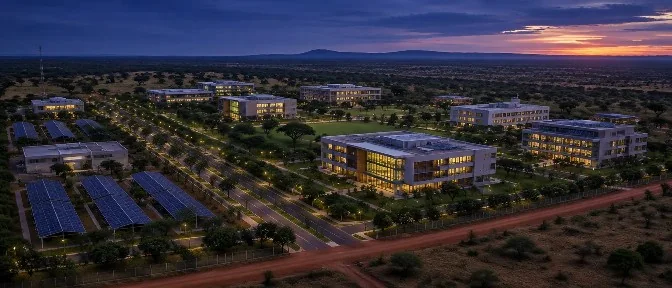 DigitalOpen to investors
Felei Tech City, Bo
Jombohun, Tikonko Chiefdom, Bo District
A 130-acre technology and business district with offices, outsourcing space, labs and training, built in phases.
- Investment
- US$130m programme
- Stage
- Concept and pre-feasibility
 DigitalOpen to investors
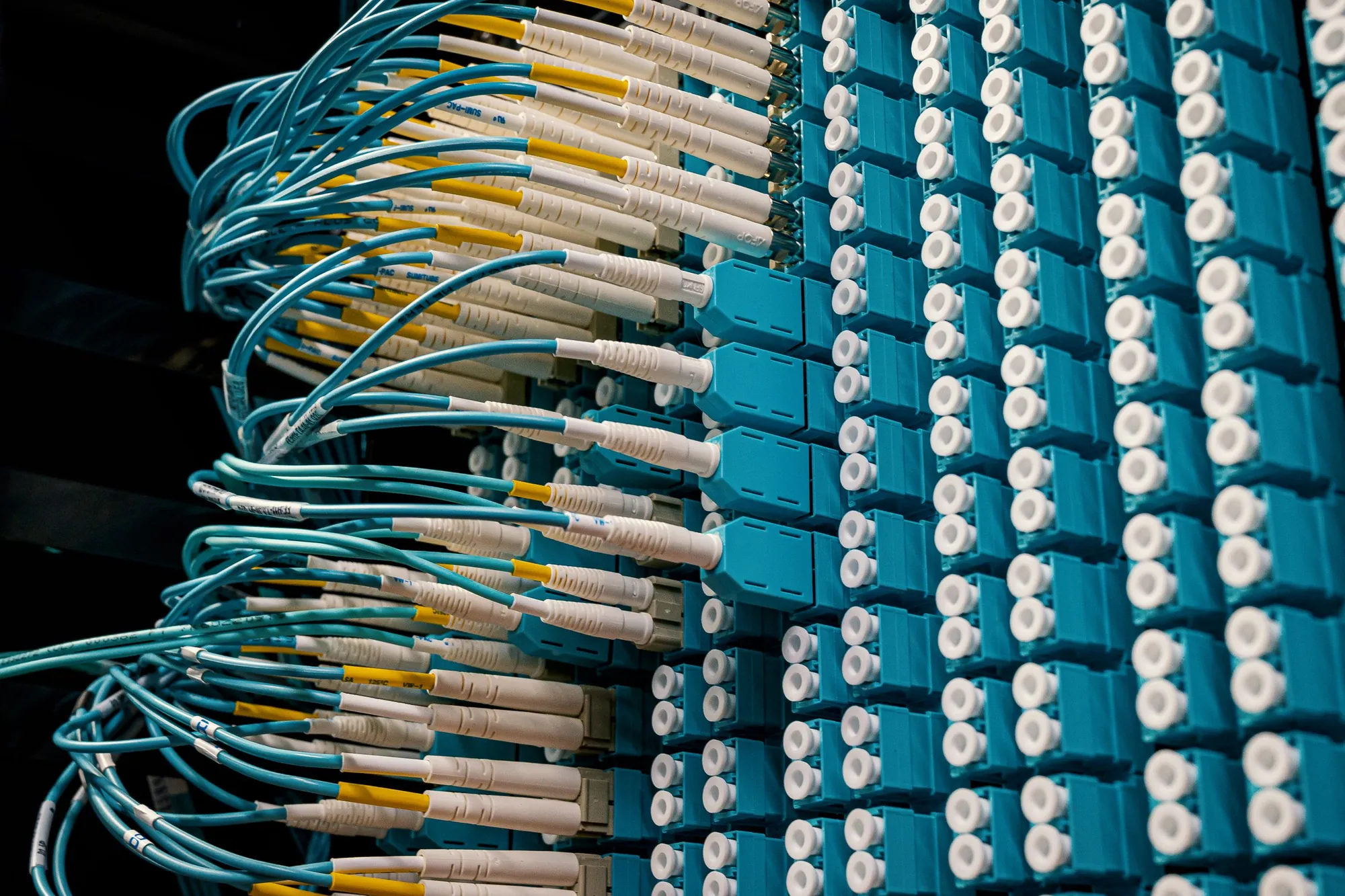
Second submarine cable landing
Sussex, Western Area
An open-access company landing a second international cable, so the country no longer depends on one system.
- Investment
- US$45m
- Stage
- Business case; feasibility due in early 2027
 DigitalOpen to investors
Sovereign data embassy
An overseas host, not yet chosen
Encrypted overseas backup of critical government data, with a separate commercial colocation, cloud and backup platform.
- Investment
- US$3.8m public service; US$7.5m commercial platform
- Stage
- Pre-feasibility
 AgricultureOpen to investors
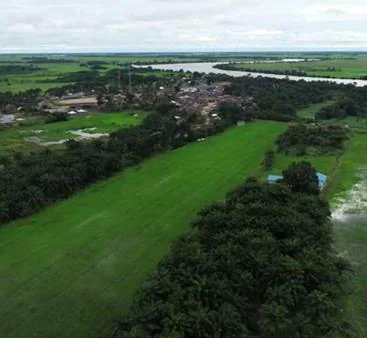
Torma Bum rice complex
Torma Bum, Bonthe District
Irrigation, a rice mill, storage and a 90 km road to rebuild a historic rice scheme, with up to 57,000 ha made available.
- Investment
- About US$800m in total
- Stage
- Existing 1970s works to rebuild
 AgricultureOpen to investors
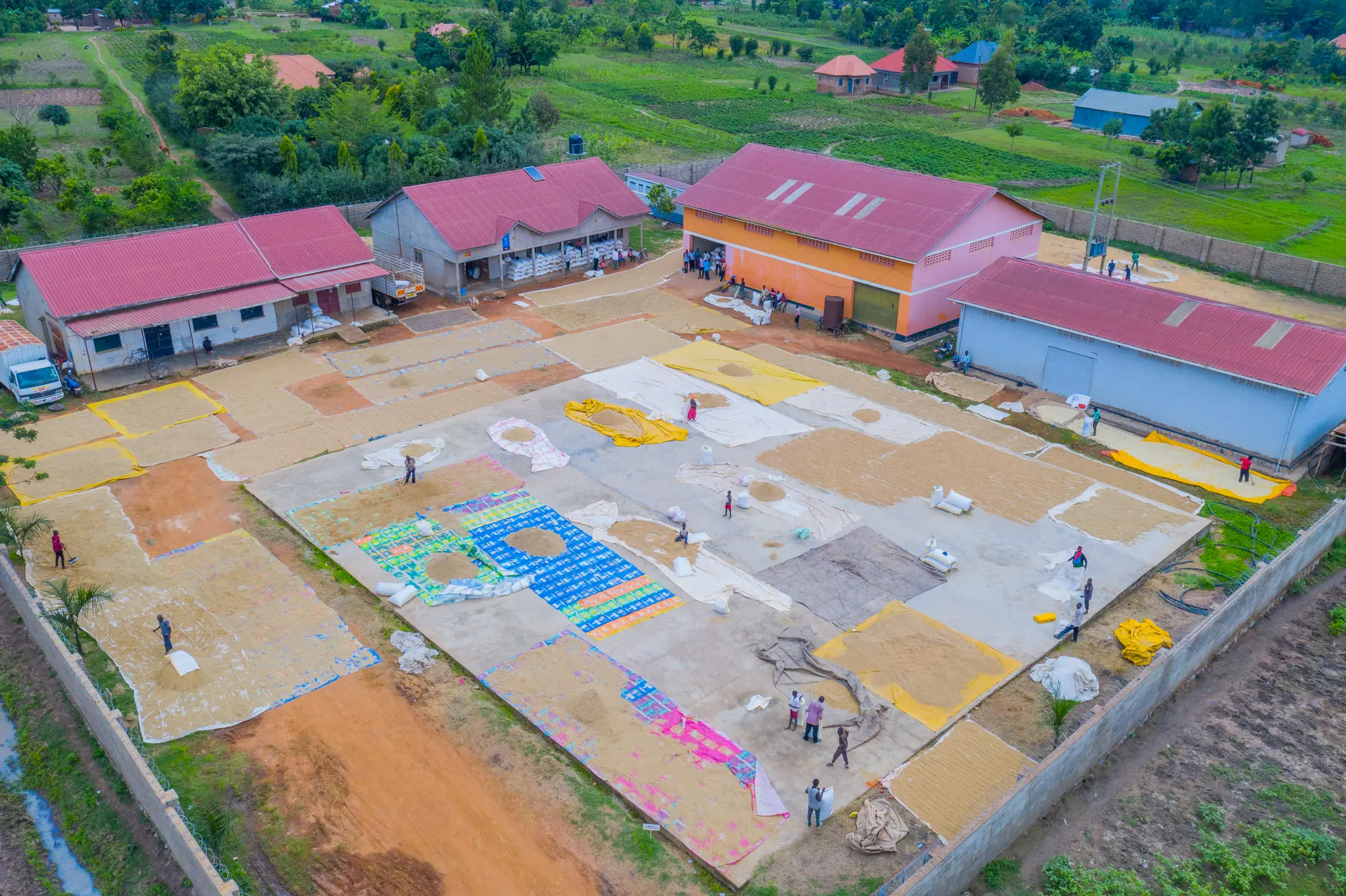
Rice mechanisation, milling and storage
Priority rice clusters
Private tractor services, modern mills and storage, and cluster finance, to lift yields from about 2 t/ha toward 4 t/ha by 2028.
- Investment
- US$191.0m
- Stage
- Portfolio case; sites and sponsors to be selected
 AgricultureOpen to investors
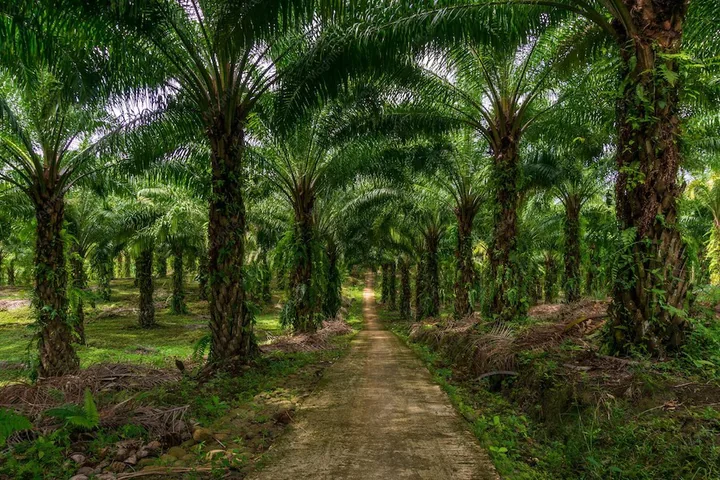
Palm oil expansion
Nationwide
Rehabilitating and expanding 40,000 ha of oil palm, with community mills, integrated mills and refining.
- Investment
- US$285.7m
- Stage
- Portfolio case
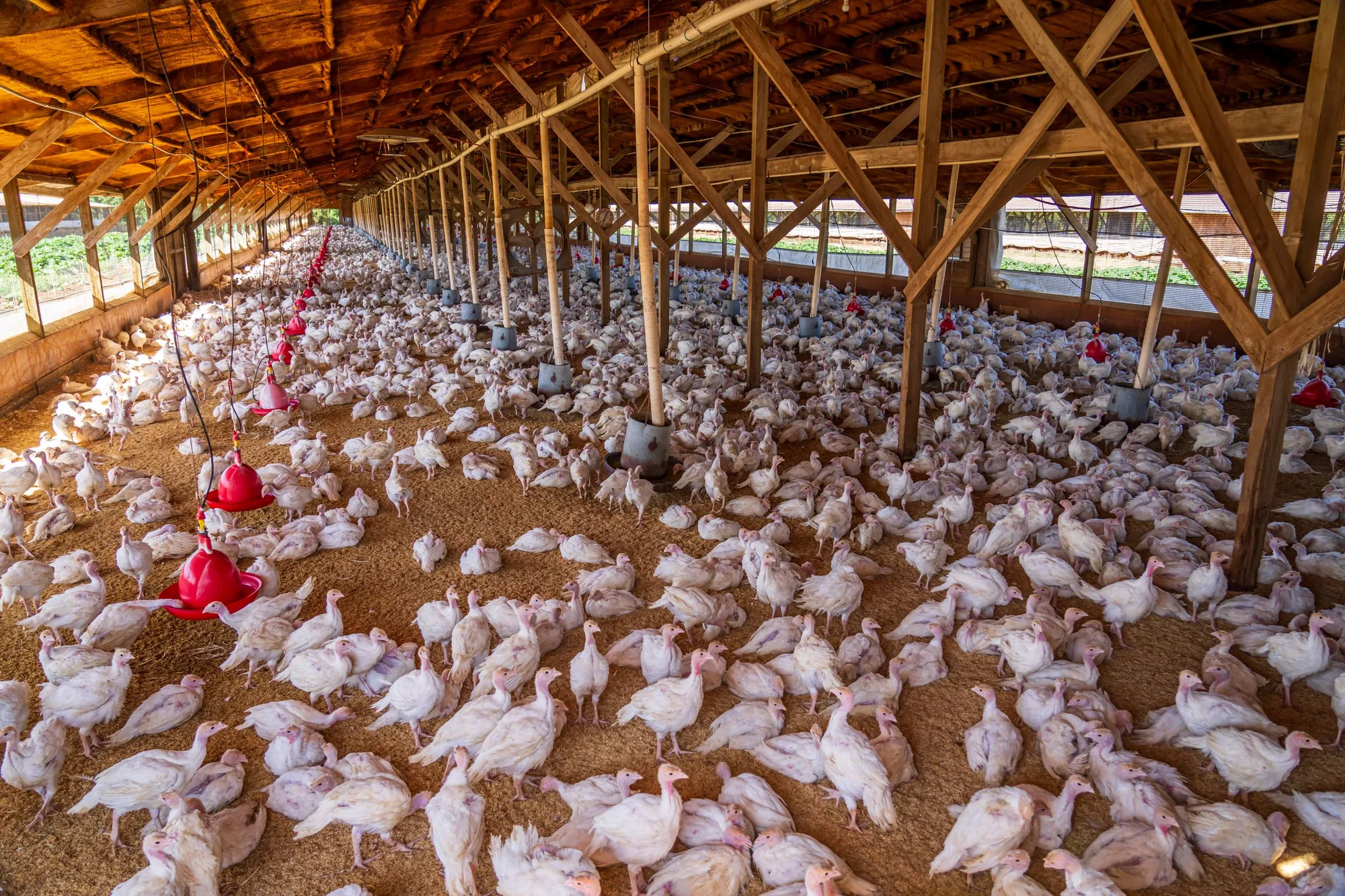 AgricultureOpen to investors
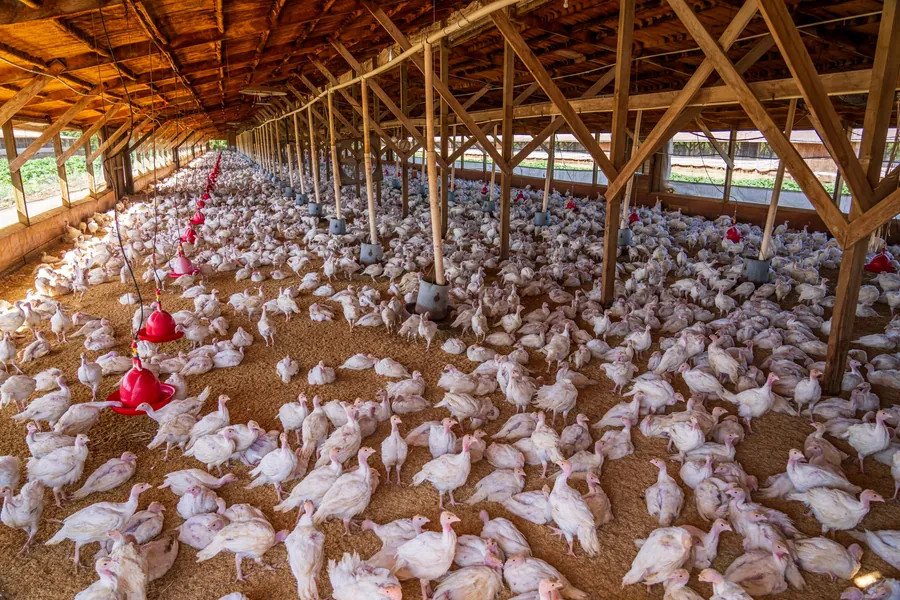
Poultry and feed
Regional poultry hubs
Maize and soya, feed mills, hatcheries and broiler and layer farms, to replace imported chicken and eggs.
- Investment
- US$241.5m
- Stage
- Portfolio case
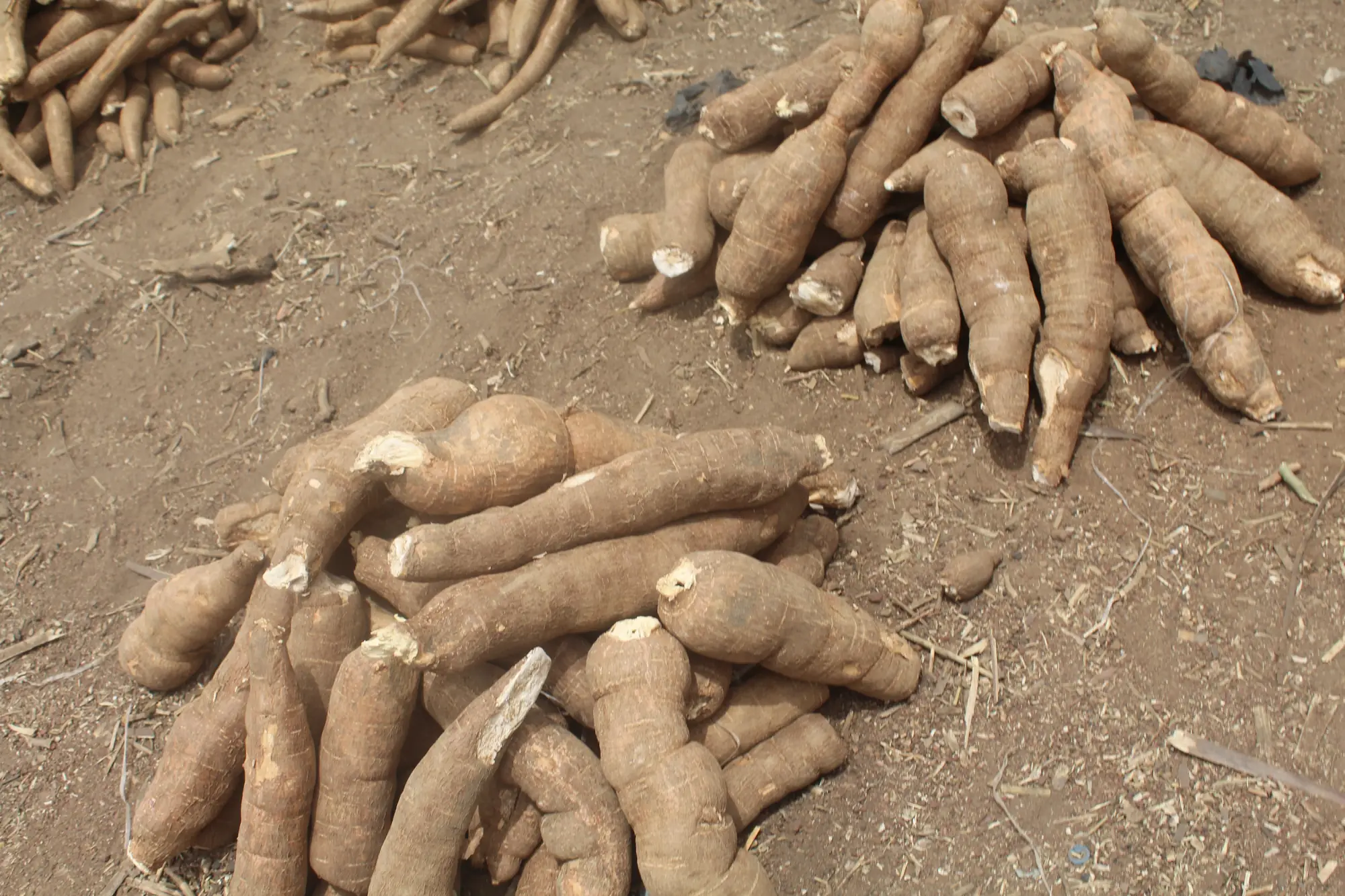 AgricultureOpen to investors
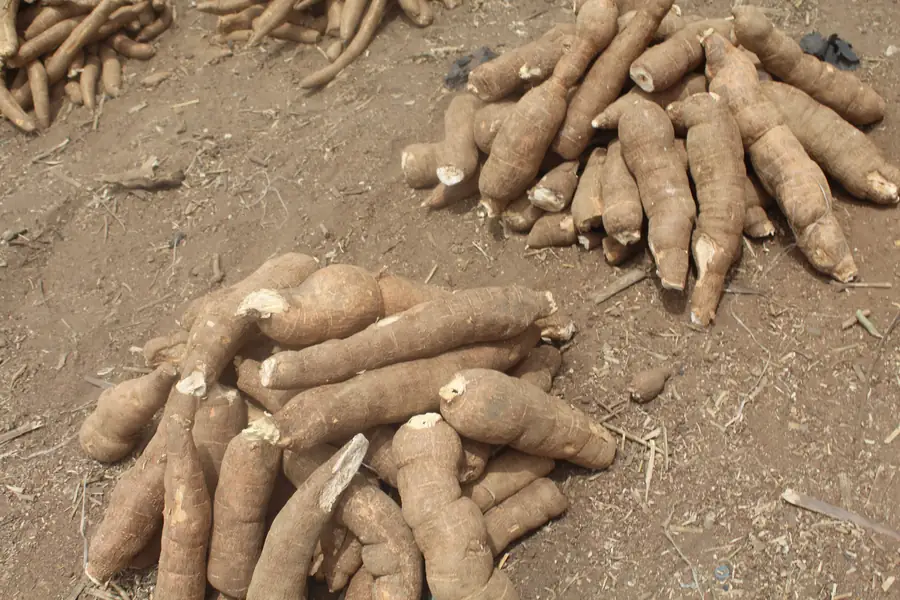
Cassava processing: garri, flour and starch
Nationwide
Production clusters linked to processing for regional export, turning informal cross-border trade into traceable sales.
- Investment
- US$41.5m
- Stage
- Portfolio case
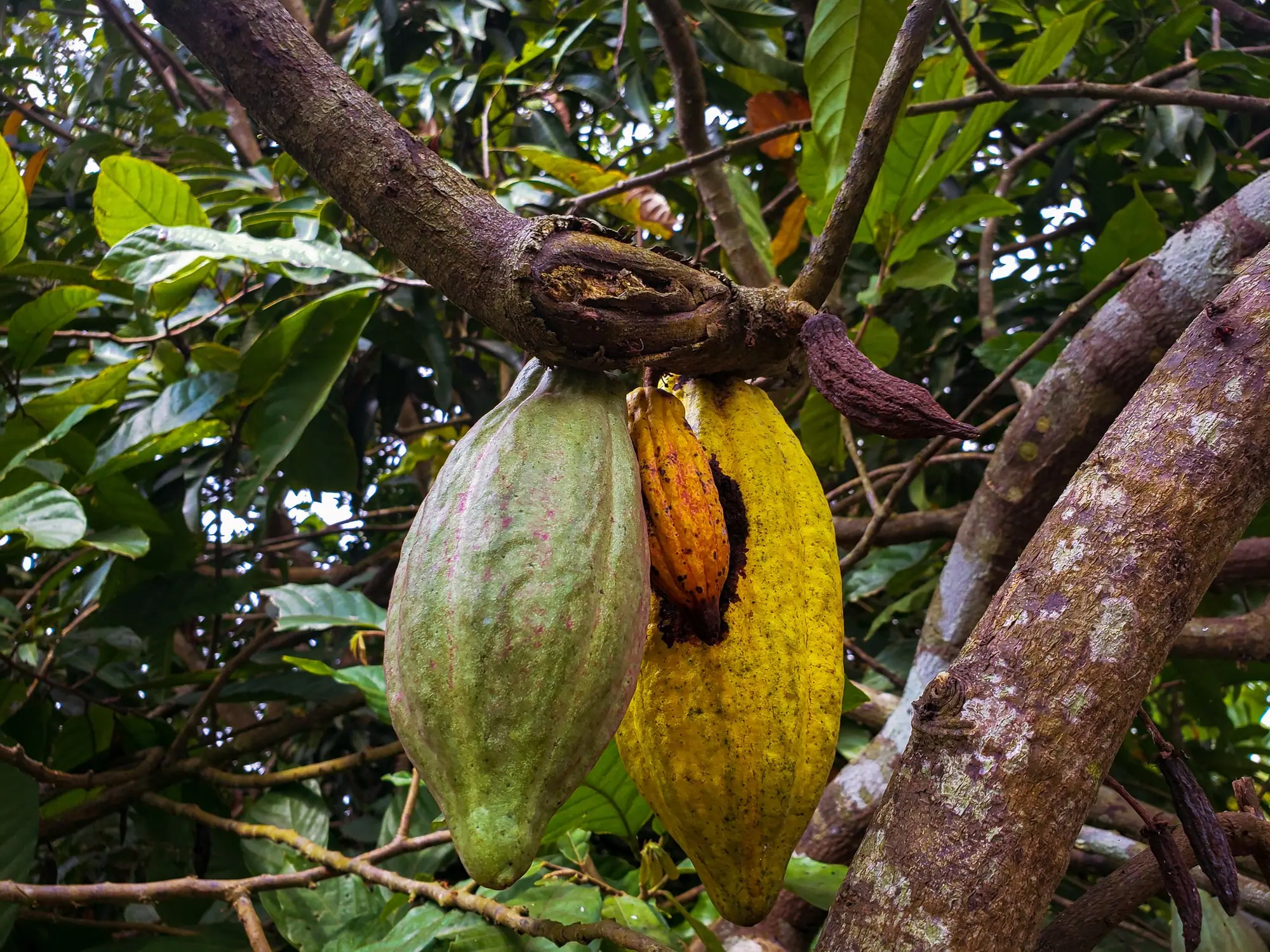 AgricultureProgramme
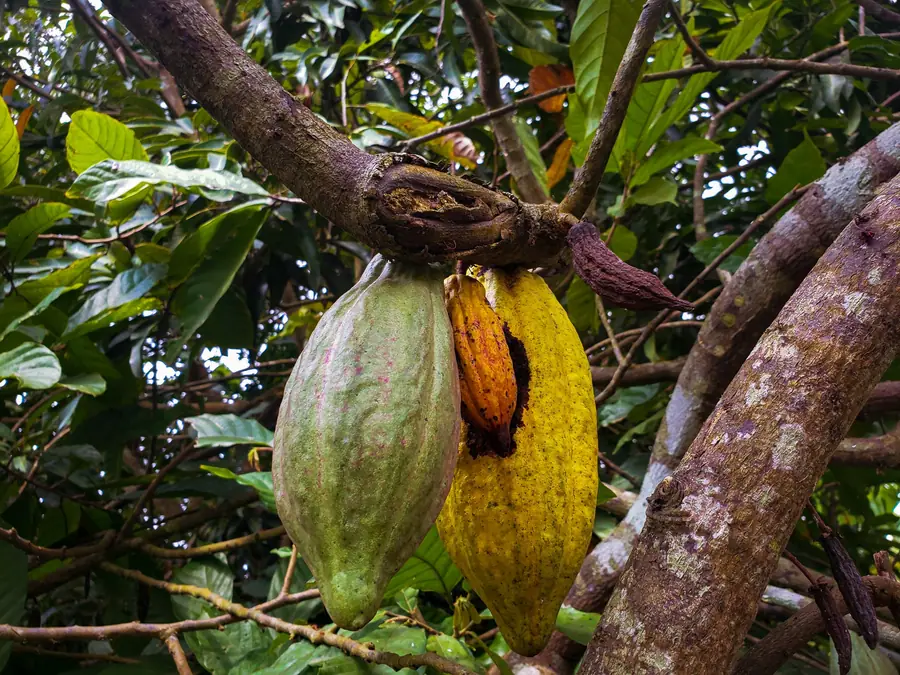
National agroforestry and carbon
Nationwide
Nurseries and farmer planting of cocoa, cashew, coffee, avocado and timber, with carbon credits as an upside.
- Investment
- US$102.0m over five years
- Stage
- Programme case
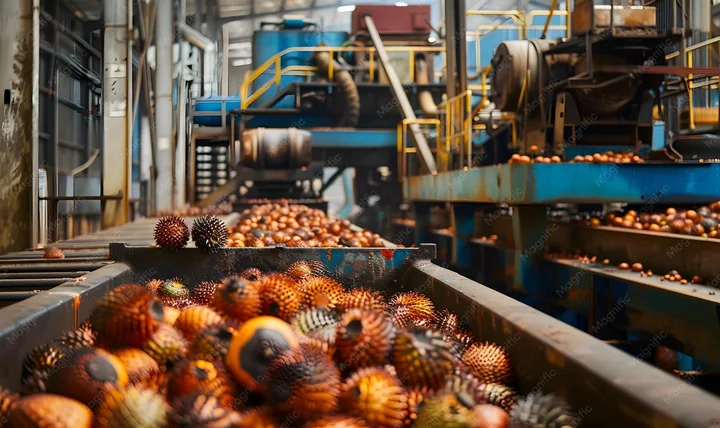 AgricultureOpen to investors
Oil palm plantation and mill, Bo District
Koribondo, Jaiama Chiefdom, Bo District
Scaling a 500 ha pilot to about 3,000 ha, with a 15 t an hour mill, on a 15,000 ha concession.
- Investment
- US$35m to US$45m
- Stage
- Pilot under way; bankable feasibility needed
 AgricultureOpen to investors
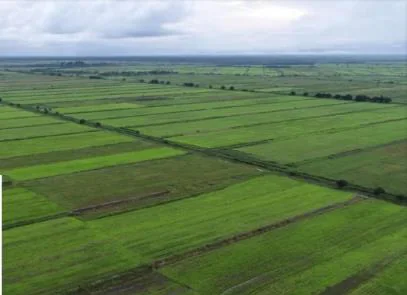
Magbass sugar estate and factory
Magbass, Tonkolili District
A 1,745 ha cane estate and sugar factory, currently idle, which the government is offering for sale.
- Investment
- Price not published; rehabilitation needed
- Stage
- Existing asset, not operating
 AgricultureOpen to investors
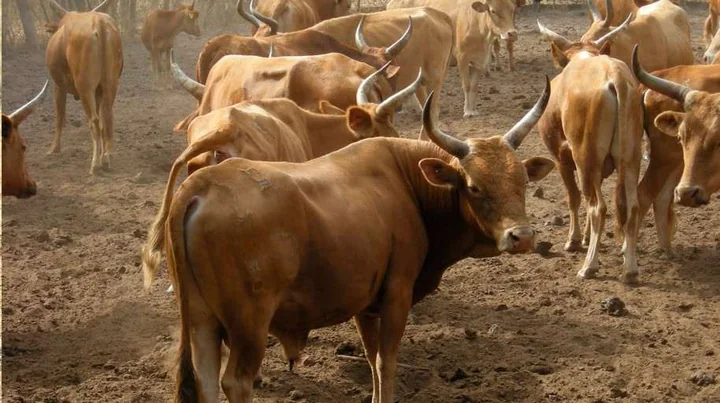
Musaia livestock farm and abattoir
Musaia, Falaba District
Rehabilitating a livestock farm with N’Dama cattle and goats, with a modern abattoir and a dairy unit.
- Investment
- US$5m to US$8m
- Stage
- Existing farm to rehabilitate
 AgricultureOpen to investors
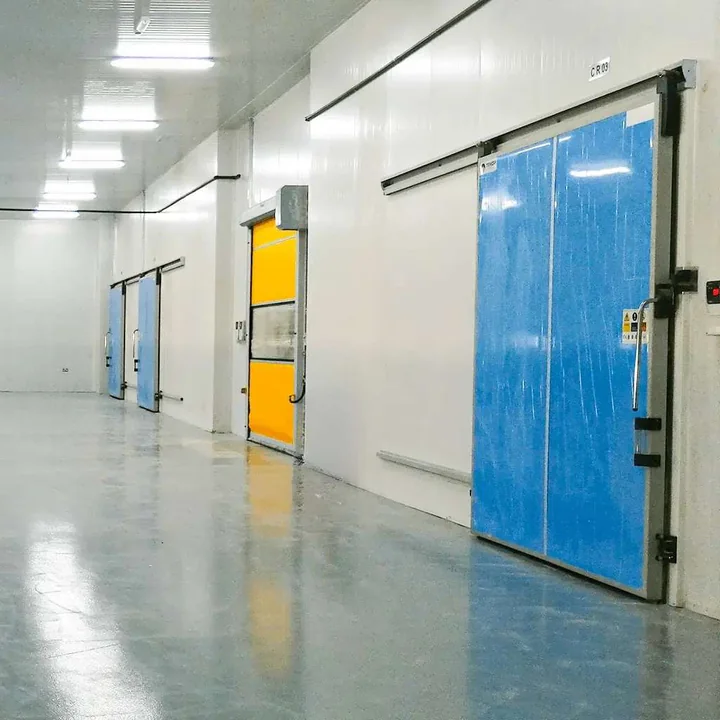
Lungi airport cold storage
Lungi International Airport
Multi-zone cold storage, inspection, packing and a testing lab for air-freighted fruit, vegetables and fish.
- Investment
- US$10m to US$15m
- Stage
- Concept
 FisheriesOpen to investors
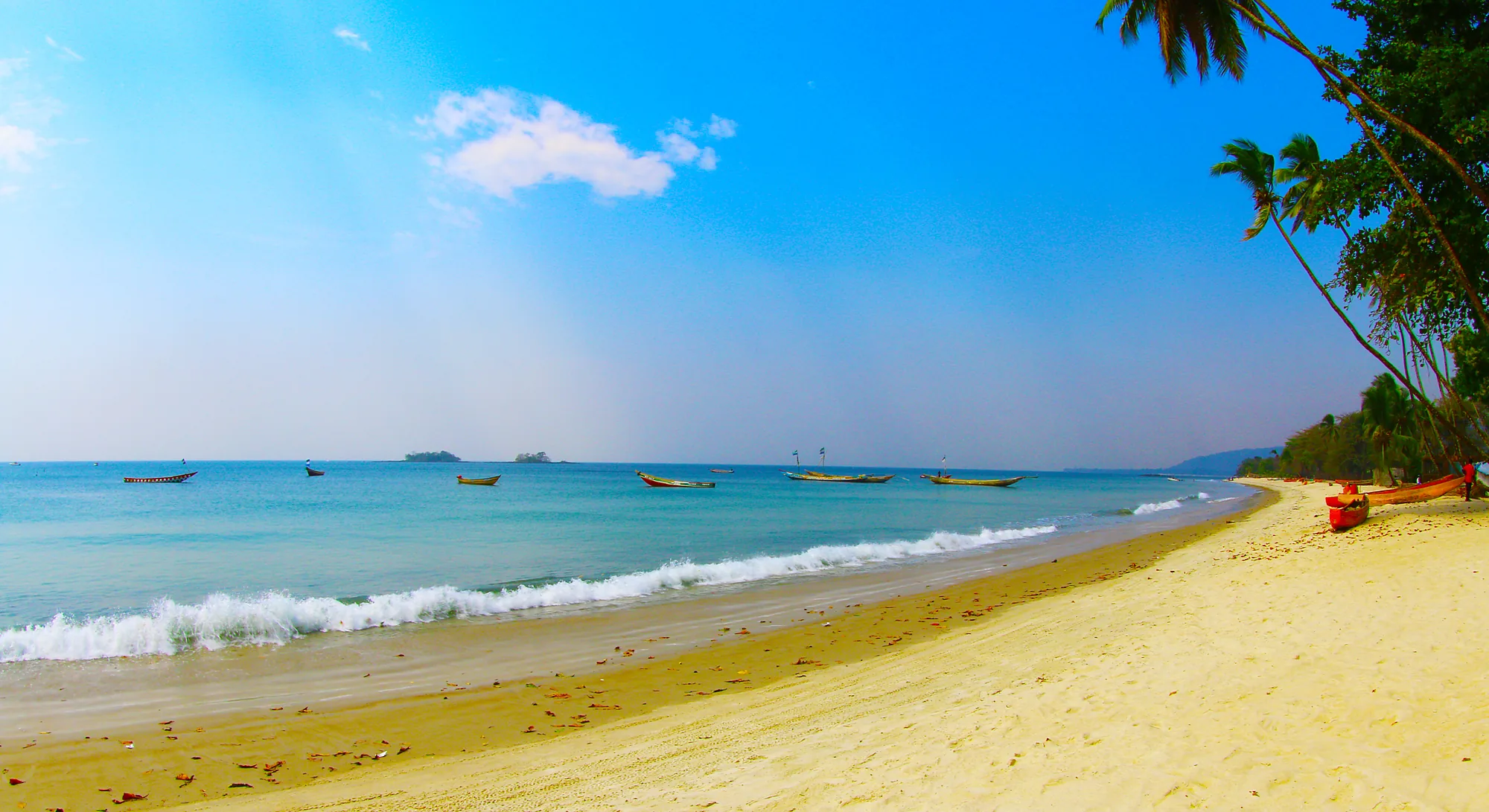
Oyster farming and mangrove restoration
Bonthe and other coastal districts
Moving from wild harvest to managed oyster farms, with hatcheries, processing and women-led enterprises.
- Investment
- US$49.6m
- Stage
- Pre-feasibility completed
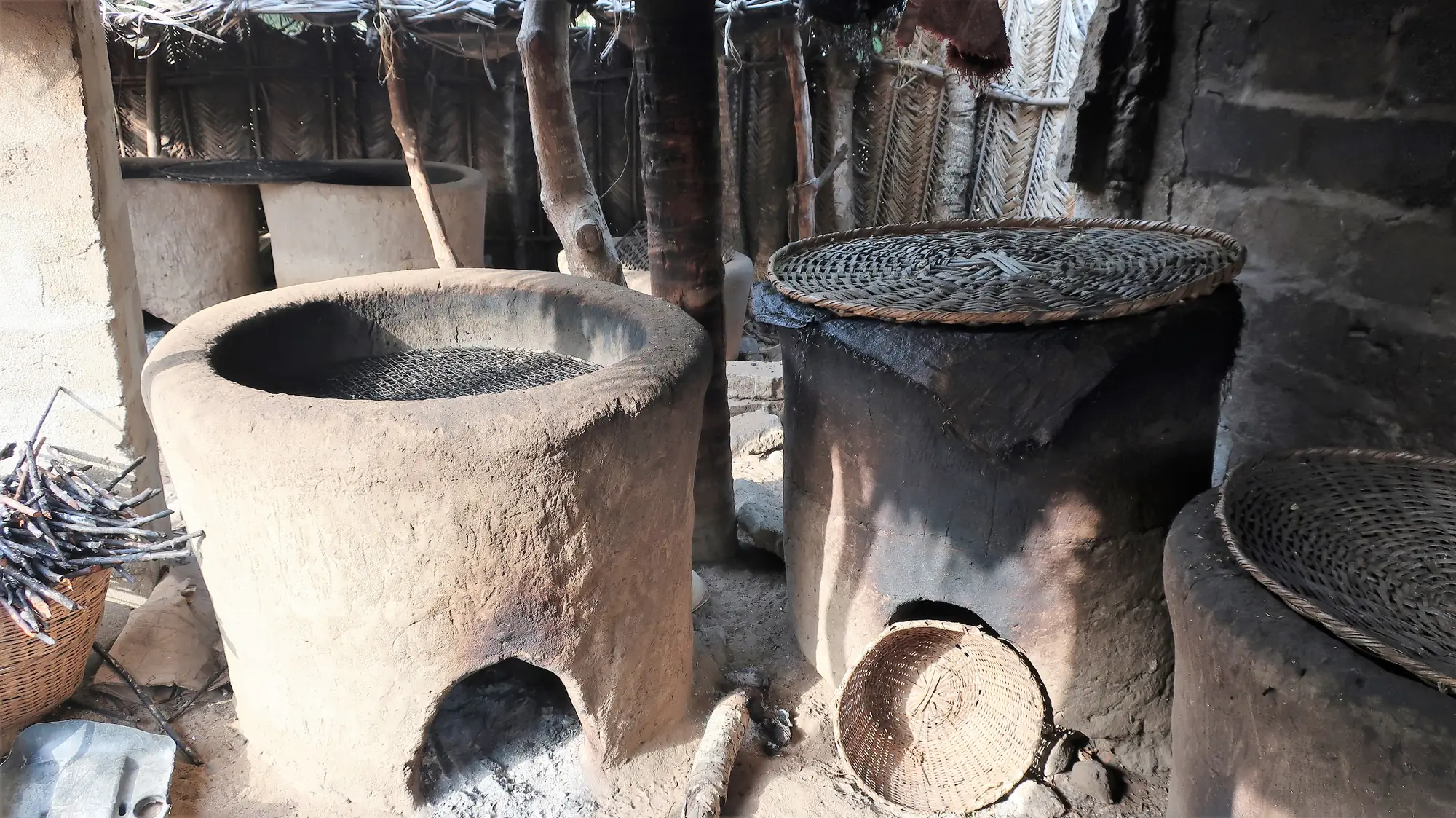 FisheriesOpen to investors
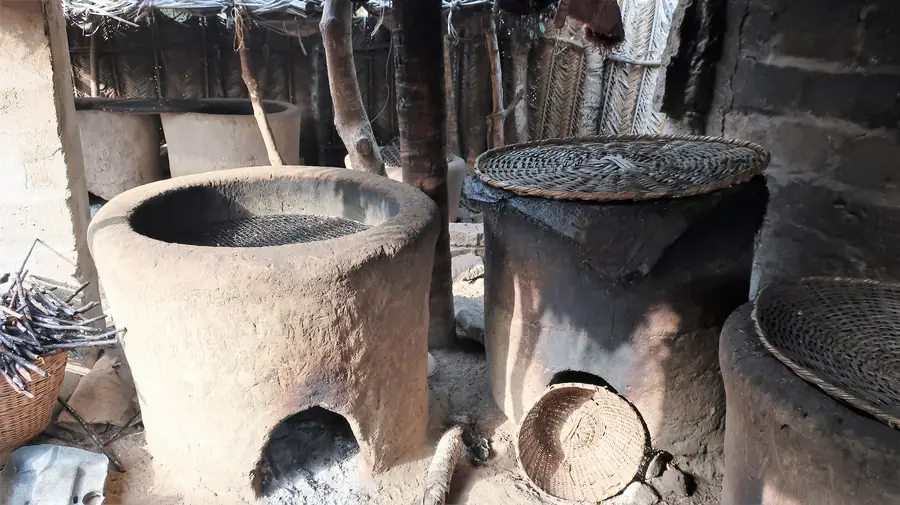
Improved fish smoking network
Landing sites nationwide
About 30 processing sites with 60 improved kilns, packaging and cold storage, built around women processors.
- Investment
- US$14.9m
- Stage
- Pre-feasibility completed
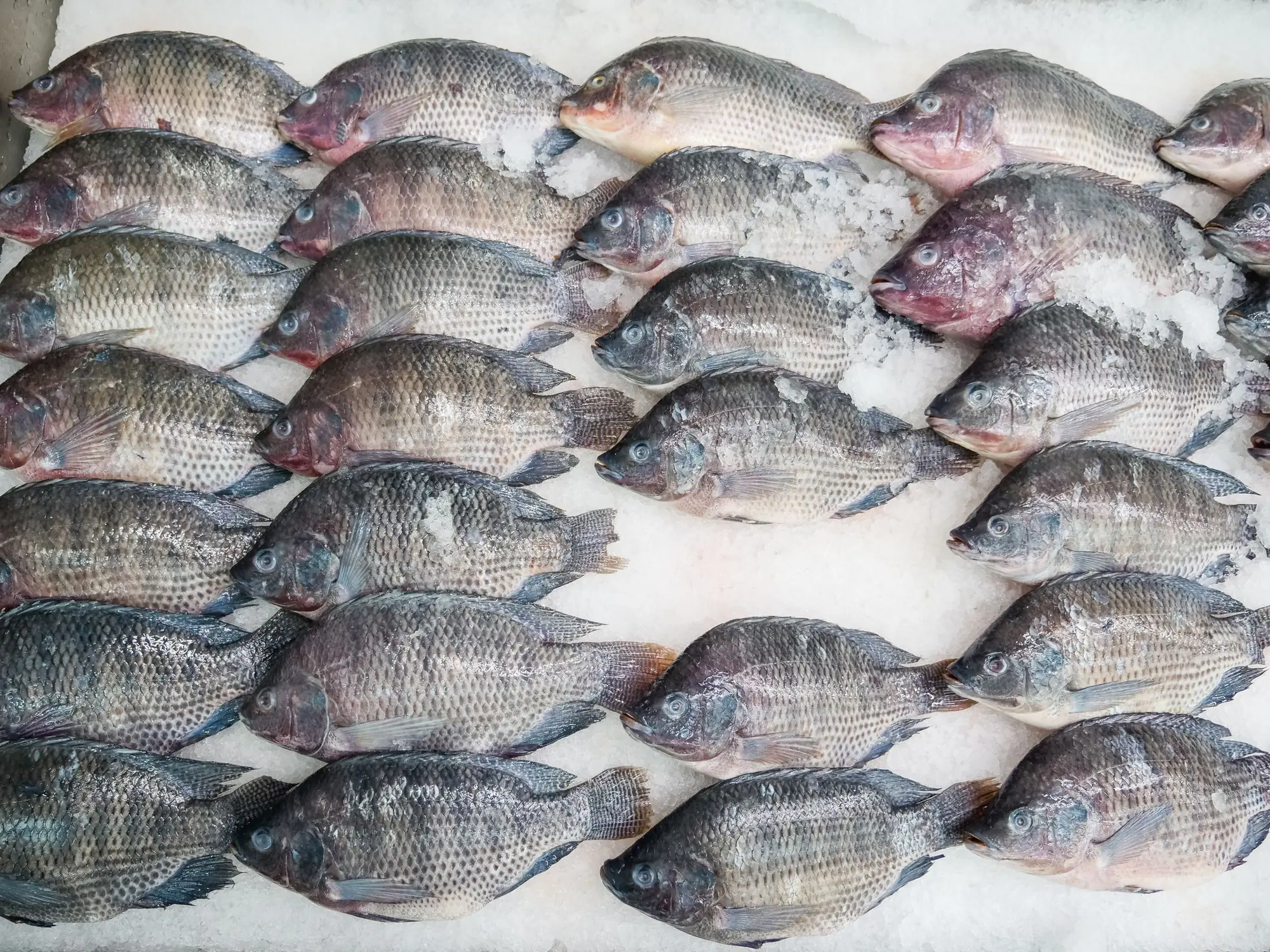 FisheriesOpen to investors
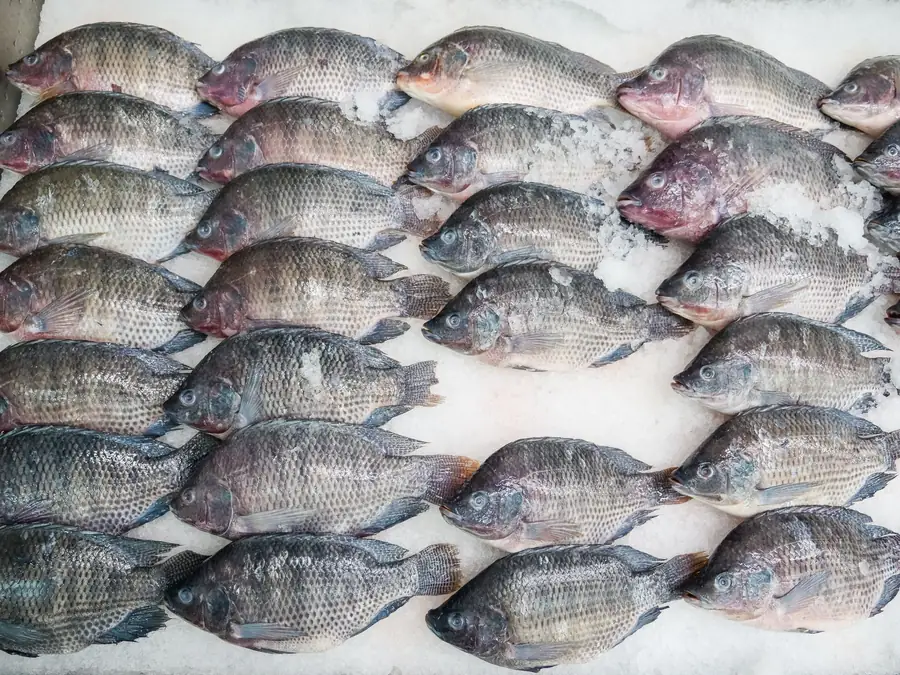
Freshwater fish farm expansion, Moyamba
Moyamba District
Growing an existing tilapia and catfish farm into a hatchery, feed mill, processing and cold chain business.
- Investment
- US$23.55m
- Stage
- Existing farm; capacities to be verified
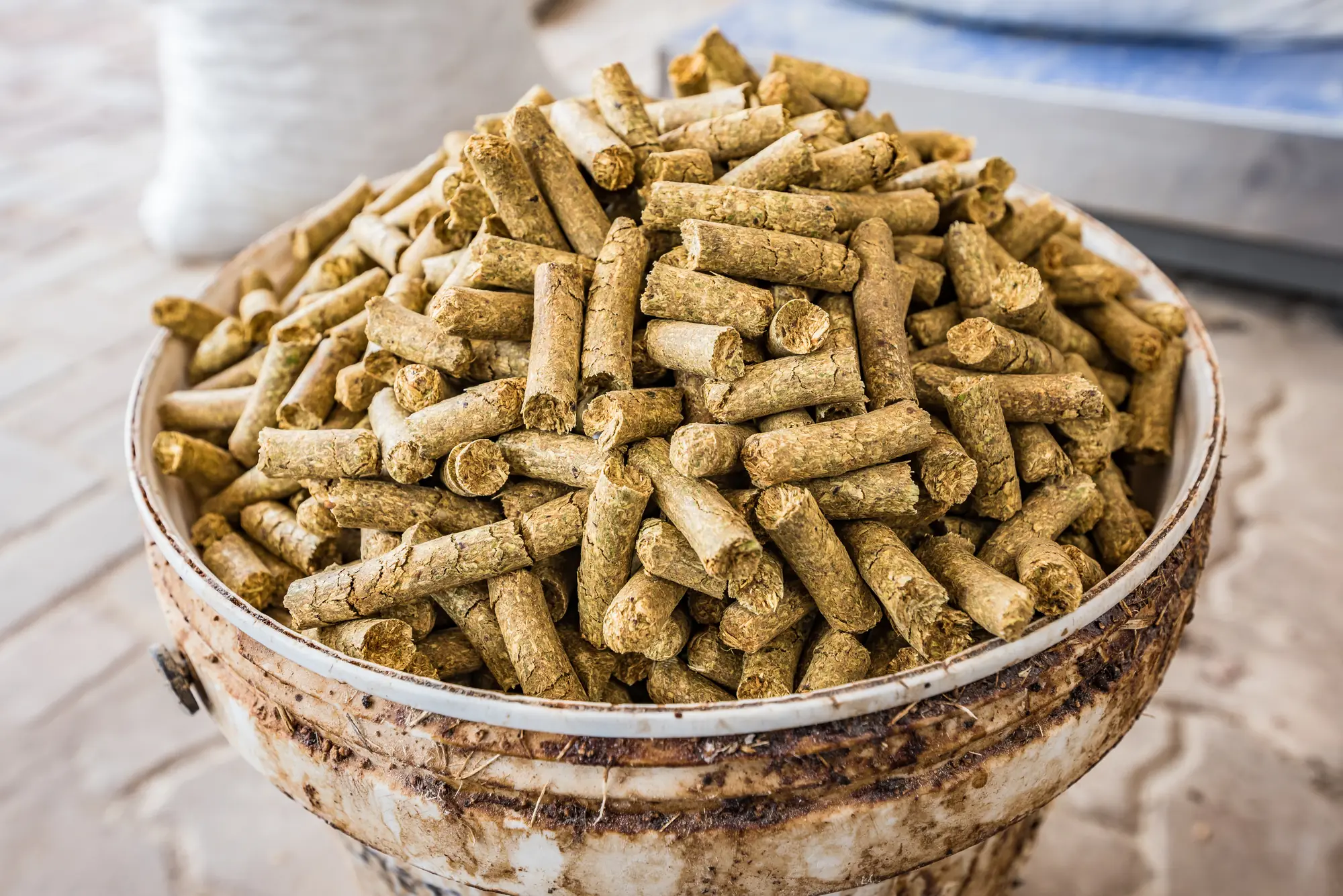 FisheriesOpen to investors
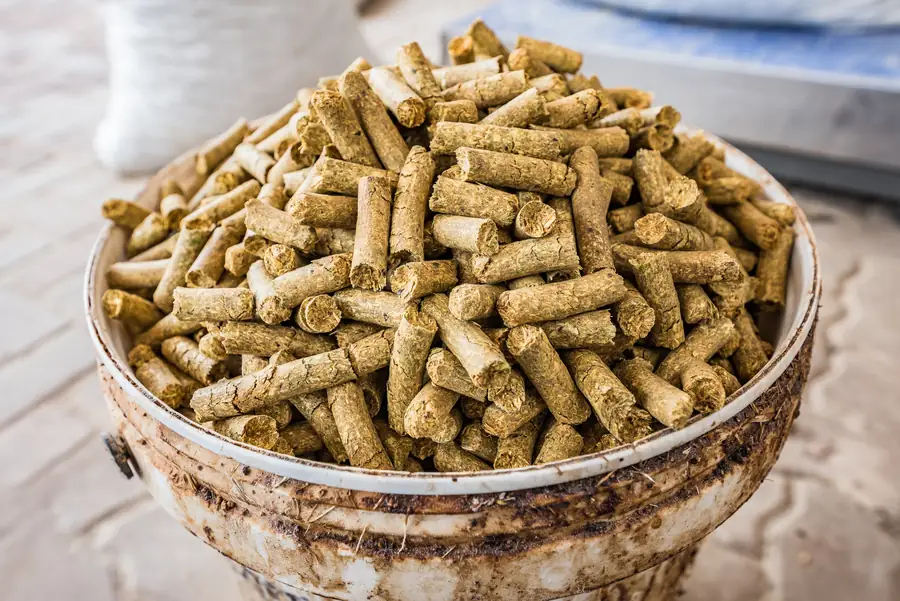
Feed mill and fish farming, Bo
Bo City
Linking maize and soybean growing with a feed mill, fish ponds, processing and refrigerated distribution.
- Investment
- US$16.5m
- Stage
- Small existing farm; verification needed
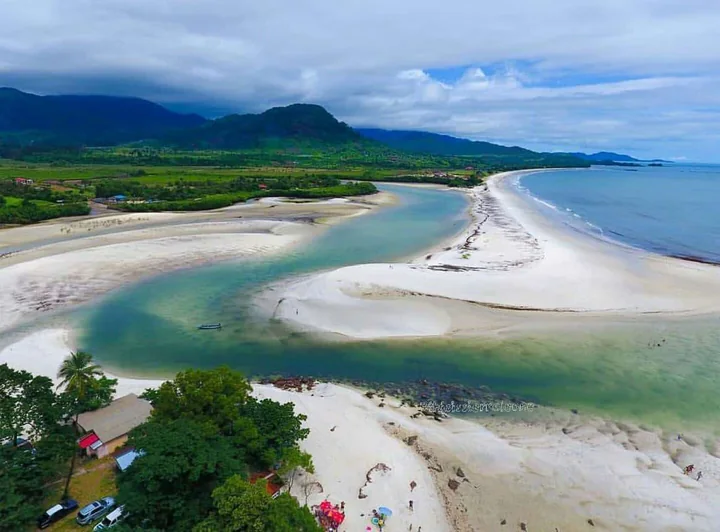 TourismOpen to investors
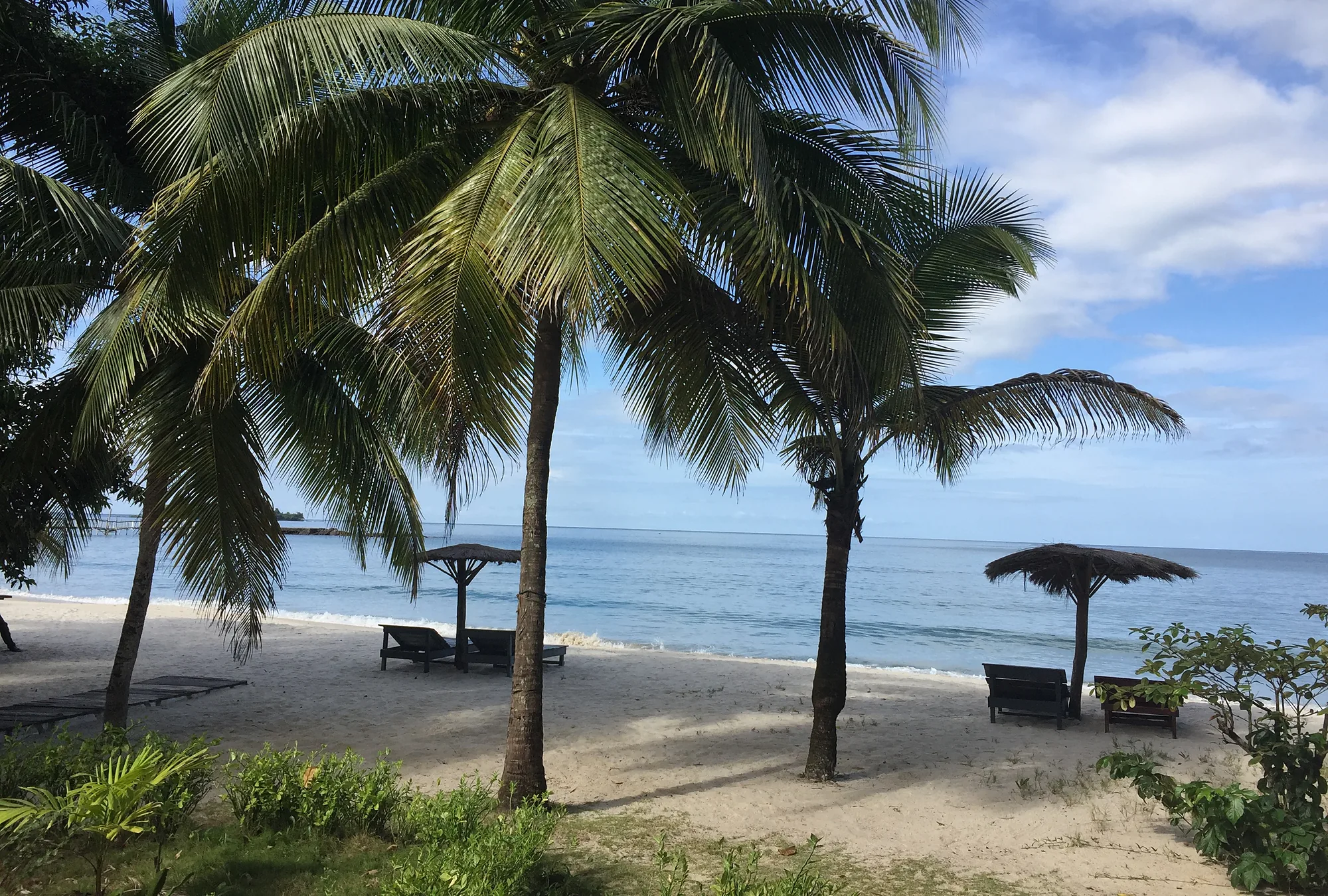
Beach resorts: River No. 2, Mammah Beach, Banana Islands
Freetown peninsula and the Banana Islands
Three high-end beach resorts with villas, spa, water sports and conference space.
- Investment
- US$35.5m to US$52.9m
- Stage
- Concept
 TourismOpen to investors
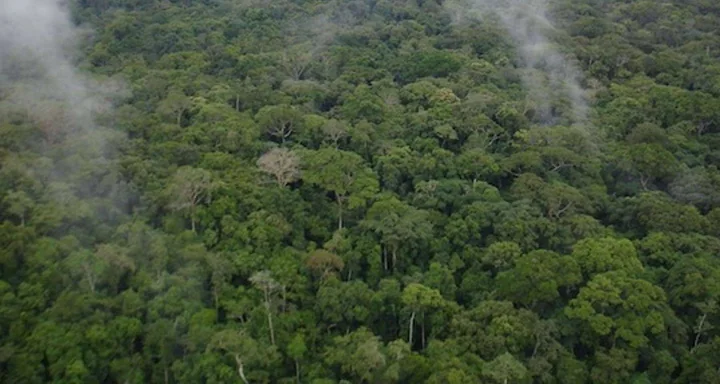
Eco-lodges at Loma, Gola and Outamba Kilimi
Loma Mountains, Gola Rainforest and Outamba Kilimi National Park
Three lodges for chimpanzee tracking, birding, forest walks and boat safaris.
- Investment
- US$0.87m to US$2.56m
- Stage
- Concept
 TourismOpen to investors
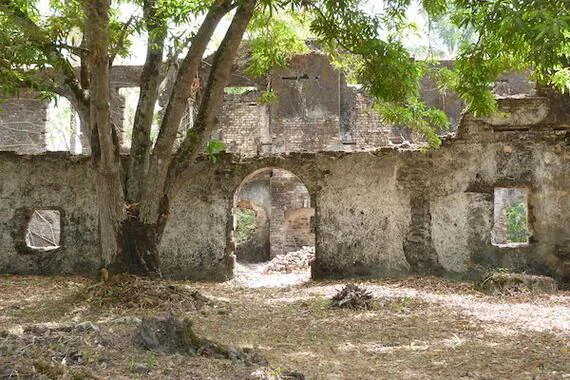
Guided tour operator
Nationwide
Heritage, wildlife, beach and island tours, from Bunce Island to Tacugama and the Turtle Islands.
- Investment
- US$0.32m to US$0.64m
- Stage
- Concept
 TourismOpen to investors
Ten-beach coastal destination programme
Western Area peninsula, Southern and North West regions
Lodges, buses, boats, jetties and sanitation across ten coastal destinations, packaged into lots.
- Investment
- US$27.4m
- Stage
- Feasibility study done

Producing Minerals, and the Next Ones.
Iron ore, rutile, diamonds and bauxite are mined at industrial scale today. The critical minerals strategy adds a second list of deposits it wants explored and processed in the country.
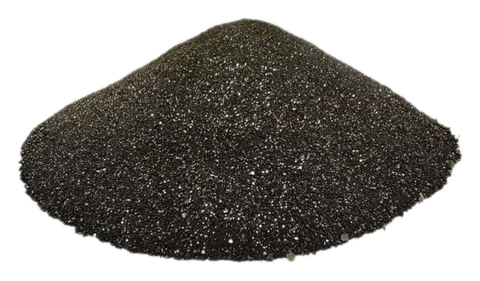
Iron ore
ProducingTonkolili (Farangbaya) and Marampa, Port Loko District
The two producers exported 10.8 Mt worth US$784m in 2024 and plan to expand to 35 Mt a year. Reported resources: 12.8 bn t at Tonkolili and 1.7 bn t at 31% Fe at Marampa.
Ministry of Mines and National Minerals Agency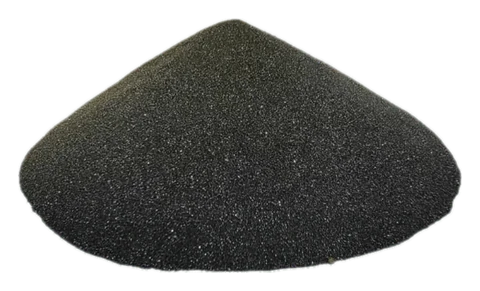
Rutile, ilmenite and zircon
ProducingSembehun and Gbangbama, Moyamba and Bonthe Districts
Rutile exports of 131,000 t worth US$106m in 2024 at a 95.6% production grade; ilmenite and zircon are recovered as by-products.
Ministry of Mines and National Minerals Agency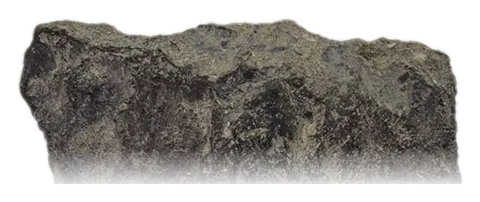
Diamonds
ProducingKono District: Koidu, Meya and Tonguma kimberlites
Koidu produced 484,000 carats in 2024. Reported resources are 6.5m (Koidu), 6.6m (Meya) and 7.3m carats (Tonguma).
Ministry of Mines and National Minerals Agency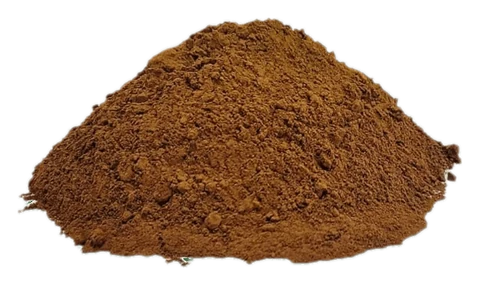
Bauxite
ProducingMoyamba (Mokanji belt), Port Loko and Kambia
Mined at 1 to 2 Mt a year. Reported deposits include Kambia (166 Mt at 44% alumina) and Port Loko (77 Mt at 46%).
National Minerals Agency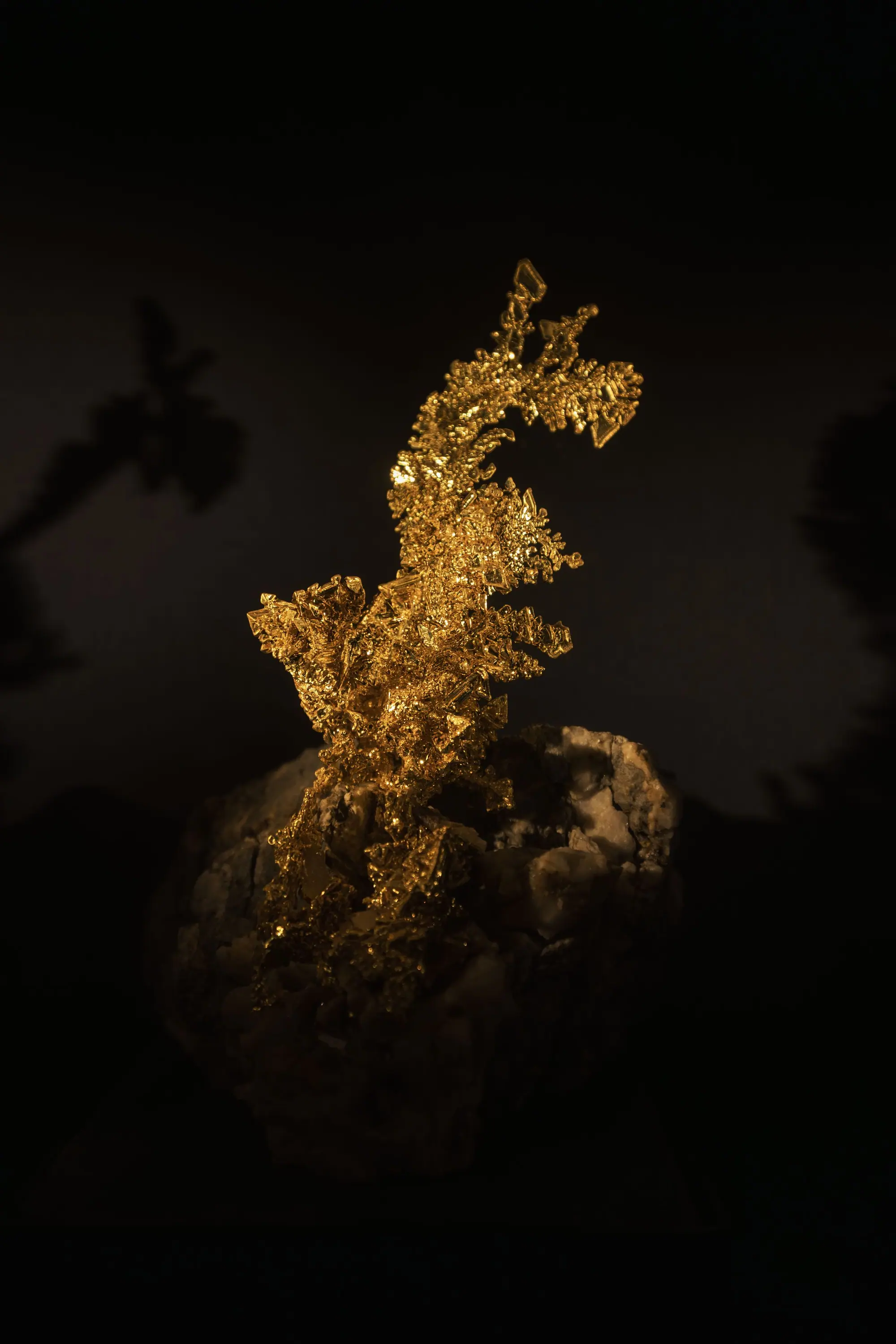
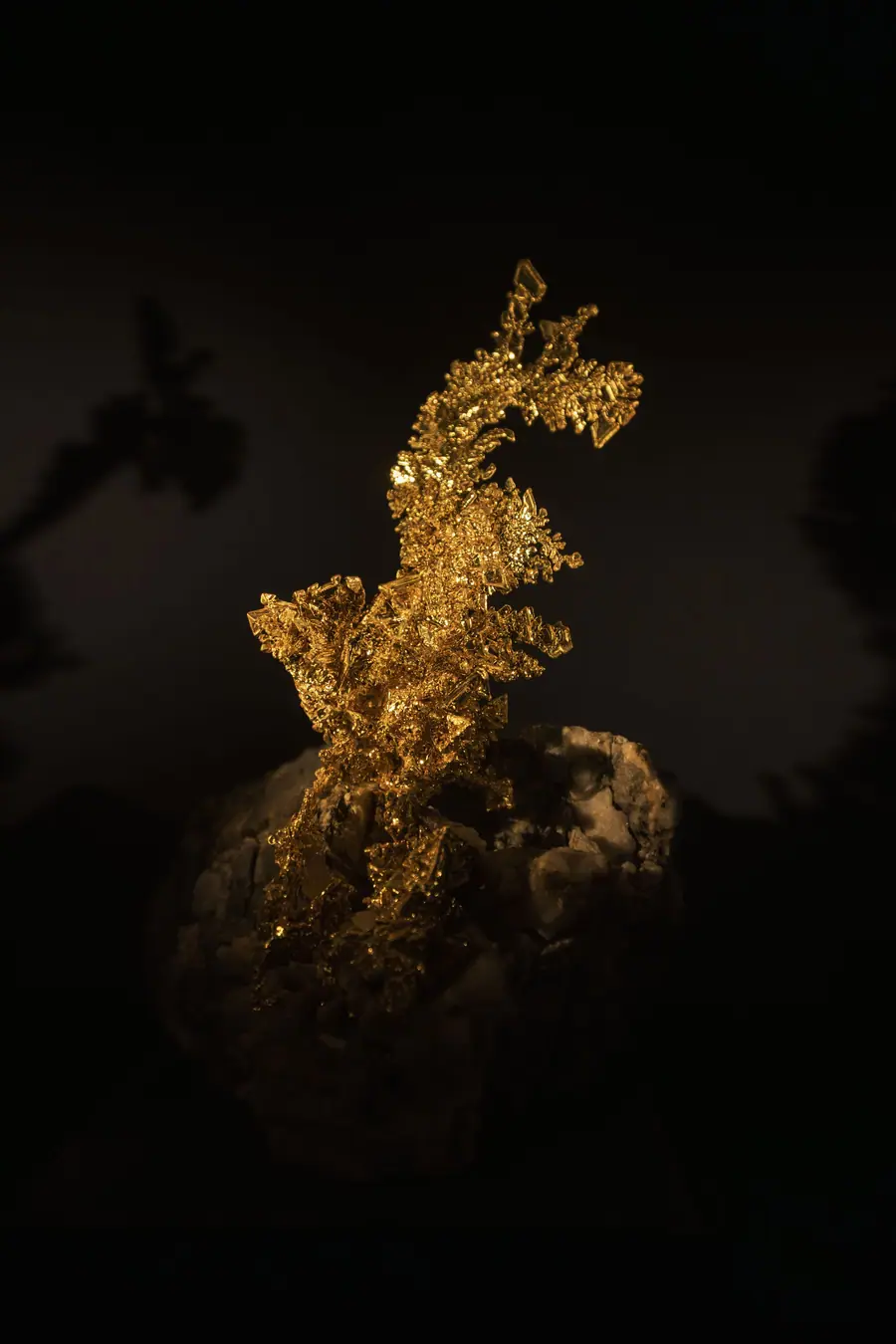
Gold
ResourceBaomahun and Komahun, with artisanal mining widespread
Reported resources of 5.8 Moz (Baomahun) and 3.4 Moz (Komahun). Two large developments target commercial production from 2027.
Ministry of Mines and National Minerals Agency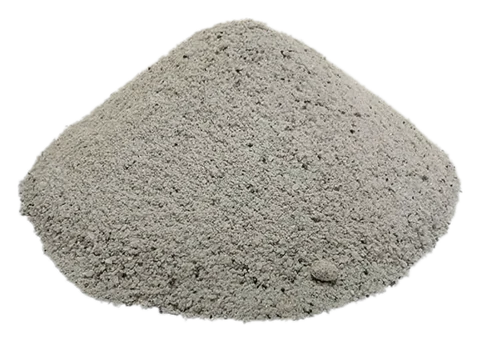
Lithium
ResourceKalangba, Bombali District, with further indications in the Kambui and Kangari Hills
A reported 25 Mt at 1% Li in spodumene pegmatites. First commercial production is expected in 2027.
National Minerals Agency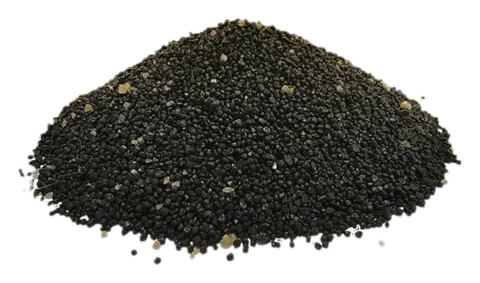
Chromite
ResourceKambui Hills and Hanga, Kenema District
Mined from 1937 to 1962; grades of 38 to 44% Cr₂O₃. Resumption is a strategy priority.
National Minerals Agency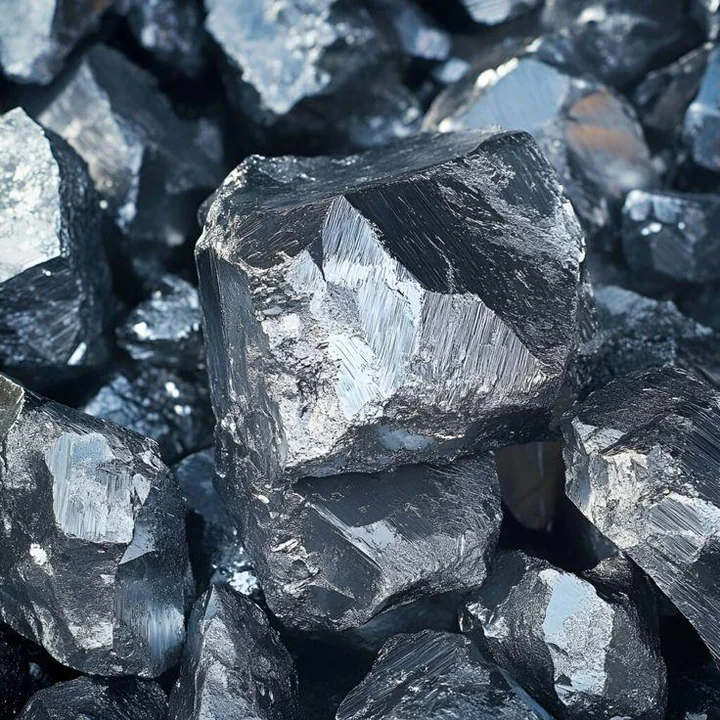
Platinum group metals and rare earths
ResourceRivers draining the Freetown peninsula; rare earths not yet located
About 5,255 oz of platinum was recovered by hand from 1929 to 1949. Both are in the strategy’s top tier.
Ministry of Mines and National Minerals Agency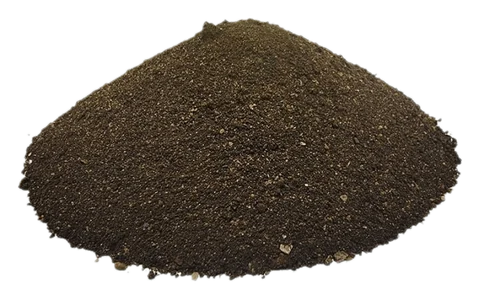
Coltan, tin and base metals
ResourceKono (coltan), Kamakwei in Karene District (tin), and the Kambui, Kangari and Sula greenstone belts
Coltan and tin are mined by hand today. Nickel, copper, manganese and graphite are at exploration stage. Resources are still to be defined.
Ministry of Mines and National Minerals Agency
Resource figures come from the National Minerals Agency’s briefs and maps and mostly carry no reporting code (JORC or NI 43-101). Mineral titles are issued through the National Minerals Agency, and the 2023 mining law requires environmental assessment, community development agreements and local content.
Looking at a licence, a deposit or a processing plant? We check the licence, the ground and the people before you commit.
Discuss a Mining InvestmentEight Sectors, One at a Time.
Each panel gives the case, two figures and what an investor looks at first.
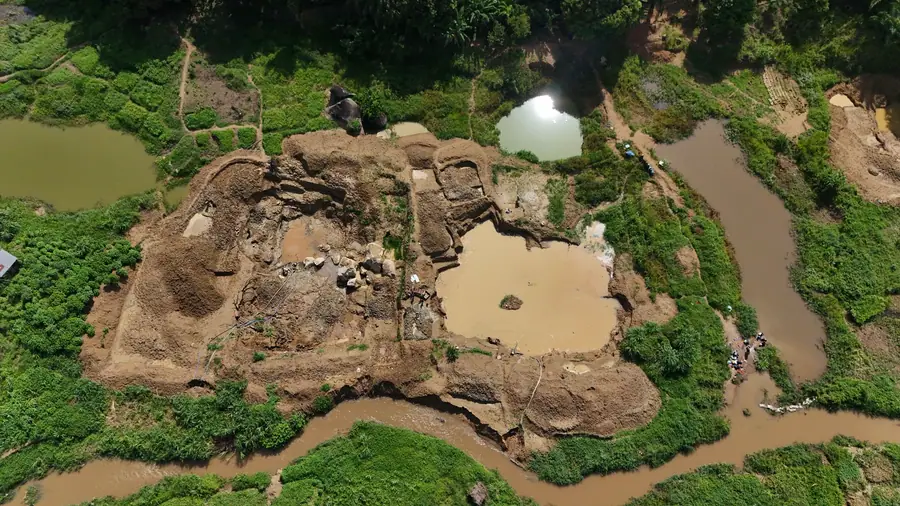
Mining and processing
Four large operators exported US$970m in 2024, led by iron ore and rutile. The national strategy now wants lithium, rare earths and mineral sands processed in the country, and favours joint ventures to do it.
- US$1.12bn
- mineral exports, 2024 Ministry of Mines and National Minerals Agency
- 45,000+
- jobs targeted by 2031 Ministry of Mines and National Minerals Agency
- Kasafoni iron ore and a gold traceability service are open briefs.
- Processing plants and a critical minerals economic zone are planned.
- Public resource figures often lack a reporting code; we check before you rely on them.
Hydro, solar and fuel
Hydro on three rivers, solar in the north and east, mini-grids for the villages and new fuel storage. Most power projects sell to the national utility under a PPA, so payment security is the first question.
- 150 MW
- largest hydro brief, Bekongor III National Investment Board
- 100
- rural mini-grid concessions National Investment Board
- Independent power from hydro and solar, from 20 MW to 150 MW.
- Privatisation and expansion of the Bumbuna plant.
- Fuel storage and a strategic reserve; the country imports all its fuel.
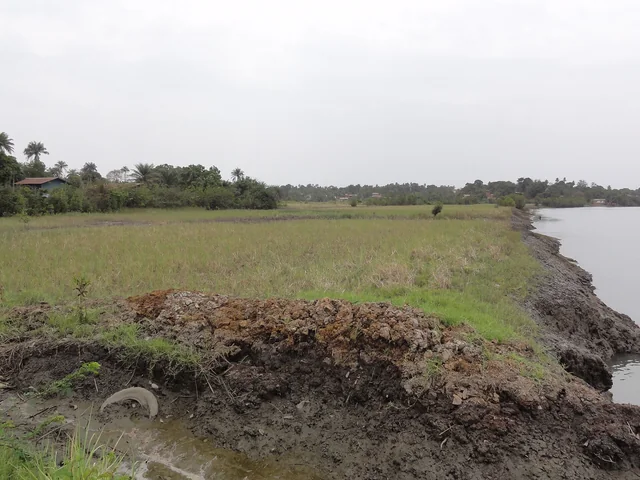
Rice, palm oil and protein
Arable land is plentiful and the staple is still partly imported. The Board’s agriculture portfolio, built on FAO analysis, prices rice, palm oil, poultry, cassava and agroforestry at more than US$860m.
- 5.4m ha
- arable land National Investment Board
- 90%+
- of people eat rice as their staple National Investment Board
- Rice mechanisation and milling, and the Torma Bum scheme.
- Palm oil, poultry feed and cassava processing.
- Land leases and community consent come first.
Fisheries and the blue economy
Fish provides most of the animal protein people eat. The investment is on land: processing, cold chain and farming oysters and freshwater fish.
- 200+
- fish species identified SLIEPA sector guides
- 690,000 ha
- inland valley swamps suited to fish farming SLIEPA sector guides
- Oyster farming, improved smoking and freshwater fish farms are open briefs.
- A 12 nautical mile inshore zone is closed to industrial fishing.
- Vessel monitoring is fitted to licensed vessels.
Water and sanitation
Guma Valley in Freetown and SALWACO in the provinces now offer bulk water and town supply projects to private partners, paid for by the utility under long concessions.
- US$95m
- hill districts bulk water concession National Investment Board
- 50%
- of Freetown’s water lost today National Investment Board
- Concessions of up to 27 years with take-or-pay offtake.
- Tariffs need regulator approval; the master plan expects them to double.
- Provincial schemes need feasibility funding first.
Roads, bridges and shipping
A national ring road, a bridge to the airport, a shipyard and coastal ferries. The large public works are financed with development banks; the private openings are concessions and operating businesses.
- 590 km
- National Ring Road programme Sierra Leone Roads Authority
- 7 km
- Freetown to Lungi crossing National Investment Board
- Lungi bridge under a design, build, operate and transfer framework.
- Shipyard expansion and regional coastal shipping.
- Two resource corridor economic zones at concept stage.
Digital infrastructure
A second submarine cable, a sovereign data backup service, a technology district in Bo and phone assembly near Freetown, all published in October 2026.
- US$45m
- second submarine cable National Investment Board
- 130 acres
- Felei Tech City site National Investment Board
- Anchor contracts with mobile operators decide the cable case.
- Most digital briefs are at business case or pre-feasibility.
Beaches, forests and heritage
Beaches within six hours of Europe, offshore islands, chimpanzees and Bunce Island’s history. The ministry offers resort, lodge, tour and coastal programme briefs.
- 120,935
- international arrivals, 2024 Ministry of Tourism
- US$44.7m
- tourism receipts, 2024 Ministry of Tourism
- Resorts, eco-lodges, tours and a ten-beach programme.
- Tourism law allows tax relief for new and renovated hotels.
- Protected areas need community and conservation agreements.
Ports, Rail and Power You Can Use Today.
What exists now decides where a project can ship, draw power and move people from the first day.
Port of Freetown
The Queen Elizabeth II Quay runs 1,067 m, with about 10 m of water at high tide. Pepel ships iron ore and Nitti ships rutile and bauxite.
The iron ore railway
About 200 km from Tonkolili to Pepel. Its 2023 lease requires the operator to offer part of its capacity to other mining and farm shippers.
Lungi International Airport
Direct flights to Europe, the Middle East and Africa, across the estuary from Freetown; a bridge is proposed.
Roads
About 11,000 km of public roads, and a 590 km ring road programme being prepared with the African Development Bank.
Power
The 50 MW Bumbuna hydro plant and a 225 kV regional line shared with Côte d’Ivoire, Liberia and Guinea.
Connectivity
One international submarine cable today, with a second landing at Sussex in preparation.
What the Law Offers Investors.
Incentives are granted under the Finance Acts and sector laws, with the National Investment Board as the entry point. These are the main ones the Board and the sector guides describe.
Tax holidays
Three to ten years for priority sectors and investments in special economic zones.
Duty and GST relief
Import duty exemptions on qualifying machinery and raw materials, and GST exemptions on inputs for agriculture, energy, education and health.
Allowances and deductions
Capital allowances, loss carry-forward and deductions of up to 125% for research and training.
Clean energy
Duty-free entry for large-scale solar and other clean energy equipment.
Hotels
Under the tourism law, new and renovated hotels have qualified for corporate tax exemption, a 25% first-year capital allowance and five years of loss carry-forward.
Mining obligations
Mining licences carry environmental assessment, community development agreements, local content and rehabilitation bonds. Local content is set to rise to 40 to 50% by 2031.
Incentives depend on the sector, the size of the investment and the agreement reached; confirm current terms with the investment agency and local counsel before relying on them.
Registering a Business, Step by Step.
The route set out in the Board’s April 2026 starter guide. A Companies and Business Registration Bill published in 2026 would add 24-hour incorporation and a single online registry; it is a bill, not yet law.
Choose the business form
Sole trader, partnership or company. Most foreign investors use a limited company.
Reserve the name
At the National Investment Board, free and on the spot.
Register with the Board
About one working day. The government fee for a limited company is NLe 250.
Get a council licence
From the local council where you operate; the fee depends on the size of the business.
Register for tax
With the National Revenue Authority, free of charge.
Register staff for social security
With NASSIT, free. Contributions are 10% from the employer and 5% from the employee.
Open a business bank account
With the certificate of incorporation and registration documents.
Who does what
- National Investment BoardOne-stop shop since 2022: promotion, PPPs and company registration.
- National Revenue AuthorityTax registration and incentives administration.
- National Minerals AgencyMineral titles, geological data and the traceability platform.
- Ministry of EnergyPower projects, with EGTC for generation and EDSA for supply.
- Guma Valley and SALWACOWater utilities for Freetown and the provinces.
- Roads and Ports AuthoritiesThe Ring Road and the ports.
- NASSITSocial security for employees.
Planning your entry
Find a direction that fits your experience.
The World Bank identifies agriculture, renewable energy and financial services as areas for private-sector development. The right business for you still depends on local demand, operating requirements and your ability to deliver.
- Farming and food businesses Explore commercial rice or cassava production, processing, aquaculture, machinery services and distribution. We help organise research into sites, inputs, handling, buyers and appropriate technical advice.
- Mining and industrial services Consider mineral-project assessment, equipment rental, workshops, processing or technical services. We help investigate operators and counterparties and arrange independent specialist involvement.
- Construction and essential services Bring plans for housing, roads, schools, hospitals or a local manufacturing operation. We help research locations and potential partners, and coordinate the professional enquiries specific to the proposal.
- Tourism, transport and company expansion Explore a hotel, vehicle business, freight service, ferry proposal or local branch. Start with customer demand, routes or premises, operating partners and the authorisations the model requires.
Make your first visit count.
Useful market entry combines commercial research with an understanding of how the business would operate day to day.
- Meet potential customers A proposal becomes more useful when you know who would buy, what they need and how they make purchasing decisions. We help organise research and relevant business meetings.
- Understand the site and local partner Visit the proposed farm, workshop, property or operating business. Qualified advisers can examine land rights, contracts, registrations and the permissions relevant to your plan.
- Build an operating picture Investigate staffing, power, water, transport, maintenance and working capital. We help gather information your technical and commercial team can use in its assessment.
Start where you are today.
We support early exploration as well as companies ready to arrange a working visit.
- Investors and entrepreneurs Tell us the business you want to build, your experience and the decisions you need help making. A focused research brief can establish what to explore first.
- Diaspora founders and expanding businesses Bring your existing company, equipment or professional expertise. We help coordinate customer meetings, local introductions and the practical enquiries needed to establish a presence.
- Local owners seeking partners Introduce your operating business or project, its location and the support sought. We can discuss readiness, evidence and suitable partner introductions after an initial review.
Infrastructure that supports the business you want to build.
Start with the users, location and delivery model. A public need is a reason to research a proposal, not proof of a funded contract.
- Roads, construction and industrial sites For a road contractor, quarry, block factory or construction branch, investigate customers, material specifications, site access and equipment support. We coordinate introductions and local enquiries so your team can assess delivery requirements.
- Ports, freight and passenger transport A warehouse, haulage operation or ferry concept needs route research, infrastructure access and a clear operating partner. Technical specialists should assess vessel or vehicle suitability, maintenance and safety; qualified advisers should confirm the applicable permissions.
- Utilities and essential facilities A school, hospital, factory or housing development brings together land, construction, water, power and long-term operation. We help assemble a practical research and meeting brief, including business and government meeting coordination where relevant and subject to acceptance.
Detailed guides
- Sierra Leone Mining & Mineral Business
- Sierra Leone Agriculture & Agribusiness
- Sierra Leone Gold
- Sierra Leone Diamonds
- Sierra Leone Rice
- Sierra Leone Energy
- Sierra Leone Fisheries, Aquaculture & Cold-Chain Business
- Sierra Leone Property
- Start a Business or Open a Branch in Sierra Leone
- Sierra Leone Diaspora
- Sierra Leone Market Entry for U.S. Companies & Investors
- Sierra Leone Business Entry for UK Companies & Investors
- Sierra Leone Market Entry for Indian Companies
- Sierra Leone Business Entry for Chinese Companies
Talk to Our Team About Sierra Leone.
Tell us the sector, the scale and the timing you have in mind. We will tell you what to check first, who to meet and what a first visit should achieve.
Before You Commit, Ask These.
Are these projects actually open to foreign investors?
Yes. Each comes from a brief published by the National Investment Board, a ministry or a utility seeking equity, lenders, operators or a buyer. Stages differ widely, from concept to financial close, so the first step is to confirm the current status, title and terms.
How quickly can a company be registered?
Name reservation is immediate and registration takes about one working day at the National Investment Board, with a NLe 250 fee for a limited company. Tax, social security and council registration follow.
Which minerals does Sierra Leone want processed locally?
The 2026 to 2031 strategy names 17 critical minerals, with lithium, platinum group metals, chromite and rare earths in the top tier. It targets three to five processing plants by 2031 and prefers joint ventures to plain licensing.
Are the returns in the project briefs reliable?
They are the promoters’ own models, often marked indicative or unverified, which is why we leave them off this page. We review the model, the assumptions and the counterparties with you before anything is relied on.
Does Capital Africa own or sell these projects?
No. We advise and facilitate: we help you judge an opportunity, meet the right counterparts and run the checks. The projects belong to their promoters.
Can you help me open a branch in Sierra Leone?
Yes. We can coordinate market research, premises enquiries, customer meetings and introductions to qualified registration, tax and legal professionals. Setup requirements depend on the business activity and structure.
Can you assist with a school, hospital or construction business?
Yes. We help research locations and partners, arrange relevant meetings and coordinate site and professional enquiries. Specialist operating standards, approvals and feasibility work form part of the project-specific assessment.
Can you organise an airport-to-site business visit?
We can coordinate arrival transfers, hotels, drivers, interpreters and your meeting itinerary. Route and transfer arrangements are confirmed for your dates, destination and visit requirements.
Where the figures come from
- National Investment BoardInvestor brochure: country facts, priority sectors and fiscal incentives, 2026
- National Investment BoardStarter Guide to registering a business, April 2026
- Ministry of Mines and Mineral Resources and National Minerals AgencyA National Strategy for Critical Minerals in Sierra Leone, 2026 to 2031, May 2026
- Ministry of Mines and Mineral Resources and National Minerals AgencyOperational highlights of the four large-scale mining companies, 2024, 2025
- National Minerals Agency, Directorate of Geological SurveysMineral and rock sample briefs, 2025
- National Investment Board, Ministry of Mines and National Minerals AgencyTonkolili North and Kasafoni iron ore investor brief, October 2026
- National Investment BoardDigital mineral traceability platform investment brief, October 2026
- National Investment BoardEnergy project briefs, with the Ministry of Energy and project sponsors, 2025 and 2026
- National Investment BoardWater and sanitation project briefs, with Guma Valley Water Company and SALWACO, 2025 and 2026
- National Investment BoardTransport, maritime, industrial zone and urban project briefs, 2025 and 2026
- Sierra Leone Roads Authority and National Investment BoardNational Ring Road Programme brief, 2026
- National Investment BoardDigital economy project briefs, with the Ministry of Communication, Technology and Innovation, October 2026
- National Investment BoardAgriculture and agro-industry project briefs, drawing on FAO Hand-in-Hand analysis, 2025 and 2026
- National Investment BoardBlue economy and fisheries project briefs, 2026
- Ministry of Tourism and Cultural Affairs and National Investment BoardTourism investment briefs, 2025 and 2026
- Sierra Leone Investment and Export Promotion AgencySector investment guides: agriculture, energy, fisheries and tourism (draft editions), 2021 to 2022
Reviewed . Figures, projects and stages are summarised from official publications, investment agency briefs and promoters’ project briefs as they state them; they are not Capital Africa projects or offers, and Capital Africa does not own, sell or guarantee any of them. Project briefs, contacts and current status are shared in a consultation.